The Art and Science of Headlight Tint Films
In the pursuit of automotive personalization, the focus often lands on dramatic body wraps or sleek window tint. Yet, some of the most impactful aesthetic modifications are found in the details—specifically, the eyes of the vehicle. Applying a tint film for headlights or, more broadly, a tint film for car lights, has emerged as a popular method for owners to customize their vehicle's front-end appearance, add a layer of protection, and achieve a cohesive, designed look. However, this modification sits at the interesting intersection of style, function, and legality, requiring a nuanced understanding of the products involved, from clear headlight protective film to colored headlight tint film color options.
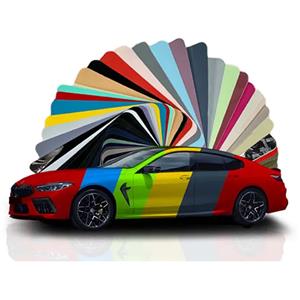
At its most fundamental, a tint film for car lights is a vinyl or polyurethane material designed to adhere to the lens of a headlight, tail light, fog light, or marker light. Its purposes are dual: aesthetic customization and physical protection. For many, the primary goal is to change the vehicle's character. A subtle smoke tint film for headlights can give a car a more aggressive, modern, or luxury-oriented look, often by creating a seamless visual flow with other dark accents on the vehicle. Beyond simple smoke, the range of available headlight tint film color has expanded dramatically. Enthusiasts can now choose from specific yellows for a classic rally or fog light effect, light blues or ambers for a unique custom appearance, or even color-shift films that change hue depending on the viewing angle. This customization allows the tint film for car lights to become an integral part of the vehicle's overall color scheme and design language.
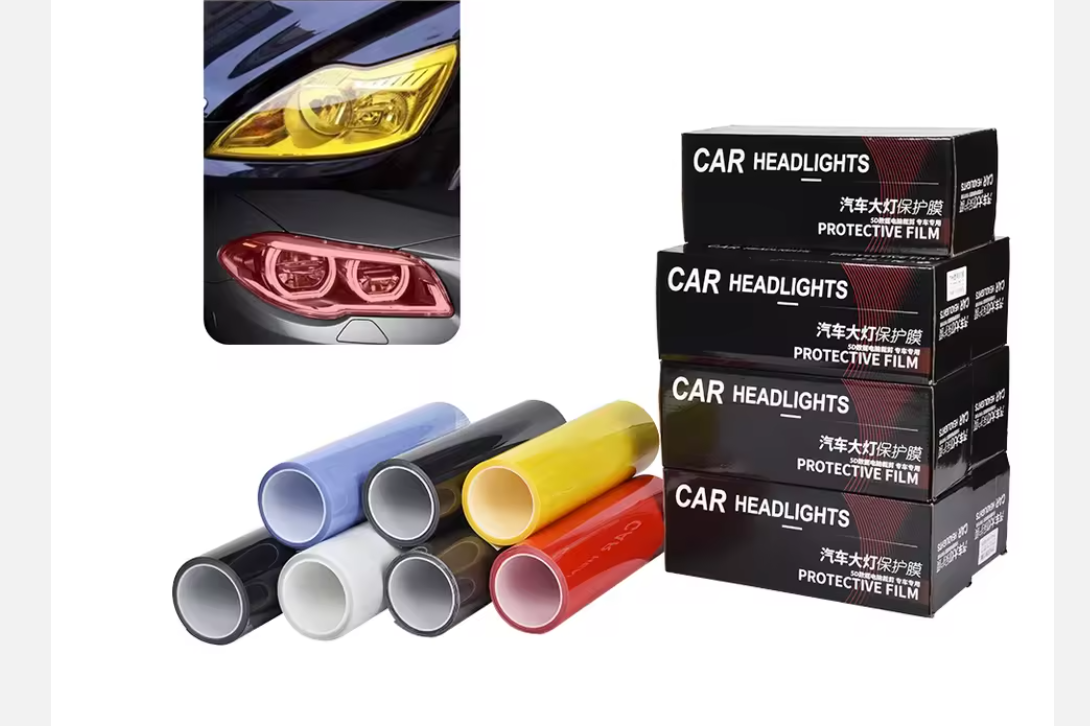
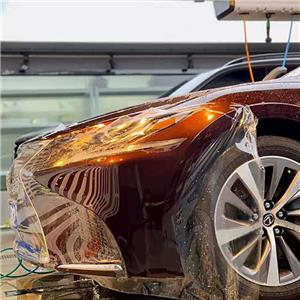
However, the most critical and often legally compliant application is the use of a clear headlight protective film. This is a nearly invisible, high-grade polyurethane layer, similar to paint protection film (PPF), applied specifically to safeguard the headlight lens. Its primary function is not to alter light but to preserve it. Modern headlight lenses are typically made of polycarbonate plastic, which is highly susceptible to oxidation and damage from UV rays, road debris, and chemical etching. Over time, this leads to the familiar hazy, yellowed, and pitted appearance that drastically reduces light output and safety. A professionally installed headlight protective film acts as a sacrificial barrier, absorbing these impacts and UV radiation to keep the factory lens beneath it clear and new for years. Many of these protective films also have self-healing properties to minimize the appearance of minor scratches.
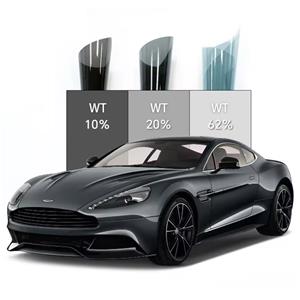
The crucial distinction lies in the film's density and its impact on light transmission. Any tint film for headlights that alters the color or darkness of the lens will, by its nature, reduce the total luminous output. This is where significant safety and legal concerns arise. Regulations in most regions strictly govern the color and intensity of light emitted from headlights. Applying a dark headlight tint film color, such as a deep smoke, can reduce light output to dangerous and illegal levels, compromising nighttime visibility for both the driver and oncoming traffic. It can also lead to failed vehicle inspections and traffic citations. Therefore, while exploring headlight tint film color options is exciting for aesthetics, it is paramount to check local regulations. For headlights, a very light smoke or, ideally, a dedicated clear headlight protective film is the safest and most responsible choice to ensure original light output is maintained.
The application process for a tint film for car lights is deceptively complex. The compound curves of modern headlight lenses present a significant wrapping challenge. The film must be carefully stretched and formed using heat guns without causing burns, wrinkles, or thin spots that could fail. Proper surface preparation—a meticulous cleaning and decontamination—is essential for a bubble-free, long-lasting bond. For a colored tint film for headlights, evenness of application is visually critical; any streaking or uneven tension will be immediately noticeable. For a clear protective layer, perfection is required to avoid any optical distortion that could scatter the light beam.
In conclusion, the world of tint film for car lights offers a spectrum of possibilities, from pure, unseen protection to bold stylistic statements. Whether the goal is to armor your headlights with an invisible headlight protective film or to integrate them into a custom design with a specific headlight tint film color, the key is informed selection and professional installation. Understanding the balance between desired aesthetics, maintained safety, and legal compliance is essential. When chosen and applied correctly, these films not only redefine the vehicle's face but also serve the practical purpose of preserving one of its most critical safety components for the long journey ahead.