Unveiling the Science of Ceramic Window Tint
In the ever-evolving world of automotive enhancement, drivers are no longer satisfied with window tint that merely darkens glass. Today's priorities are sharply focused on superior performance: blocking solar heat, protecting interiors, and maintaining uncompromised clarity without interfering with technology. Meeting these sophisticated demands is one remarkable innovation that has risen to the top—ceramic car tint. This advanced film technology represents a paradigm shift, moving beyond traditional dyed and metallic films to deliver unparalleled results. Understanding the specifics of ceramic auto window tint, often marketed as nano ceramic car window tint, is key to appreciating why it has become the gold standard for discerning vehicle owners and professional installers alike.
At its core, ceramic auto window tint is engineered using microscopic, non-conductive ceramic particles that are embedded within the film's layers. Unlike traditional metallic tints that use aluminum or other metals to reflect heat, ceramic particles are spectrally selective. They are engineered to absorb and dissipate a significant portion of the sun's infrared (IR) radiation—the primary source of solar heat—while allowing visible light to pass through with stunning clarity. This fundamental difference is what sets a true ceramic car tint apart. It provides exceptional heat rejection, often blocking over 50% of total solar energy, without the aesthetic drawbacks of a reflective mirror finish or the signal interference associated with its metallic predecessors.
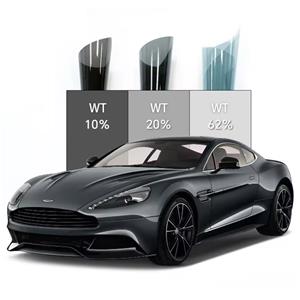
The prefix "nano" in nano ceramic car window tint refers to the incredibly small scale of the ceramic particles utilized. These nano-ceramic particles are typically less than 100 nanometers in size, allowing them to be densely and uniformly distributed within the film's polymer layer. This nano-scale integration is crucial for performance. It enables the film to achieve its high levels of heat rejection (measured by Infrared Rejection percentage) without requiring a dark, heavily tinted appearance. A high-quality nano ceramic car window tint can be installed in a relatively light shade, offering exceptional glare reduction and UV protection while maintaining a sleek, factory-style look and preserving outward visibility, especially at night.
The benefits of choosing a premium ceramic car tint are substantial and multi-faceted. The most immediate and noticeable advantage is cabin comfort. By rejecting a massive amount of solar heat, ceramic auto window tint dramatically reduces the greenhouse effect inside a vehicle. This means a cooler interior upon entry, less strain on the air conditioning system (improving fuel efficiency in gasoline vehicles and preserving battery range in electric vehicles), and a more consistently comfortable environment for all occupants. Furthermore, this technology blocks over 99% of the sun's harmful ultraviolet (UV-A and UV-B) rays. This UV protection is a powerful shield, preventing the fading and cracking of dashboards, upholstery, and trim, while also offering critical skin protection for the vehicle's occupants.
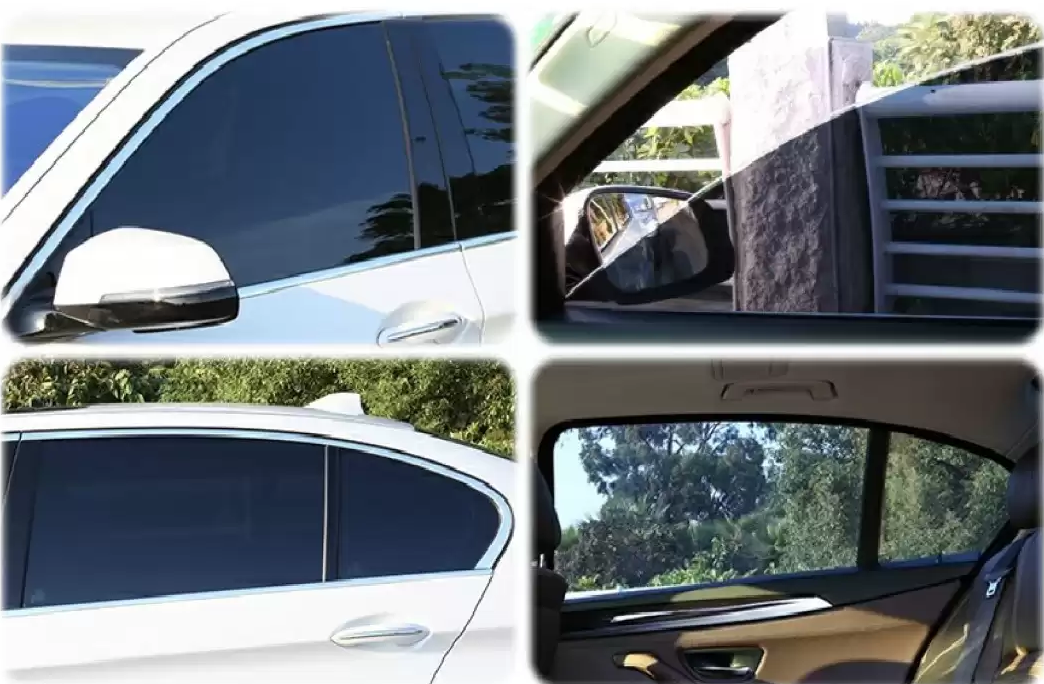
Another significant, and often decisive, advantage of nano ceramic car window tint is its complete neutrality to electronic signals. The ceramic particles are non-metallic and non-conductive. This means they do not interfere with GPS navigation, cellular phone reception, satellite radio, or keyless entry systems—a common frustration with older-generation metallic films. For modern vehicles laden with antennae embedded in windows and reliant on constant connectivity, this feature is non-negotiable. Additionally, the absence of metals gives the film remarkable color stability. Unlike dyed films that can fade to purple or bubble over time, a properly installed ceramic auto window tint maintains its pristine, neutral hue and performance characteristics for the life of the vehicle.
While the performance of ceramic car tint is superior, it is important to recognize that it commands a higher price point than standard films. This cost is a direct reflection of the advanced materials, complex manufacturing process, and the exceptional performance profile it delivers. For the investment, the owner receives not just a tint, but a comprehensive climate management and preservation system for their vehicle. The installation of nano ceramic car window tint also requires a high degree of skill; its unique construction can be less forgiving during the application process, making the choice of an experienced, certified installer as critical as the choice of the film itself.
In conclusion, the shift to ceramic auto window tint is more than a trend; it is a logical progression toward maximizing automotive comfort, protection, and technological harmony. By leveraging the science of nano-ceramic particles, this film delivers what others cannot: simultaneous excellence in heat rejection, UV protection, optical clarity, and signal transparency. For anyone seeking the ultimate in window film performance—where the goal is to enhance the driving experience without compromise—investing in a high-quality ceramic car tint, specifically a top-tier nano ceramic car window tint, is the definitive and intelligent choice. It transforms every vehicle into a cooler, safer, and more comfortable sanctuary on the road.