Headlight Wraps and Tints
In the dynamic world of automotive customization, the quest for a unique and personalized vehicle extends far beyond paint and performance. A growing trend for enthusiasts is the strategic use of headlight vinyl wrap to alter the character and presence of a car's front end. This practice, often described as applying a headlight tint film or car headlight wrap film, offers a compelling blend of aesthetic enhancement and subtle protection. While it stands distinct from painting or lens replacement, it presents both exciting possibilities and important considerations for the responsible vehicle owner.
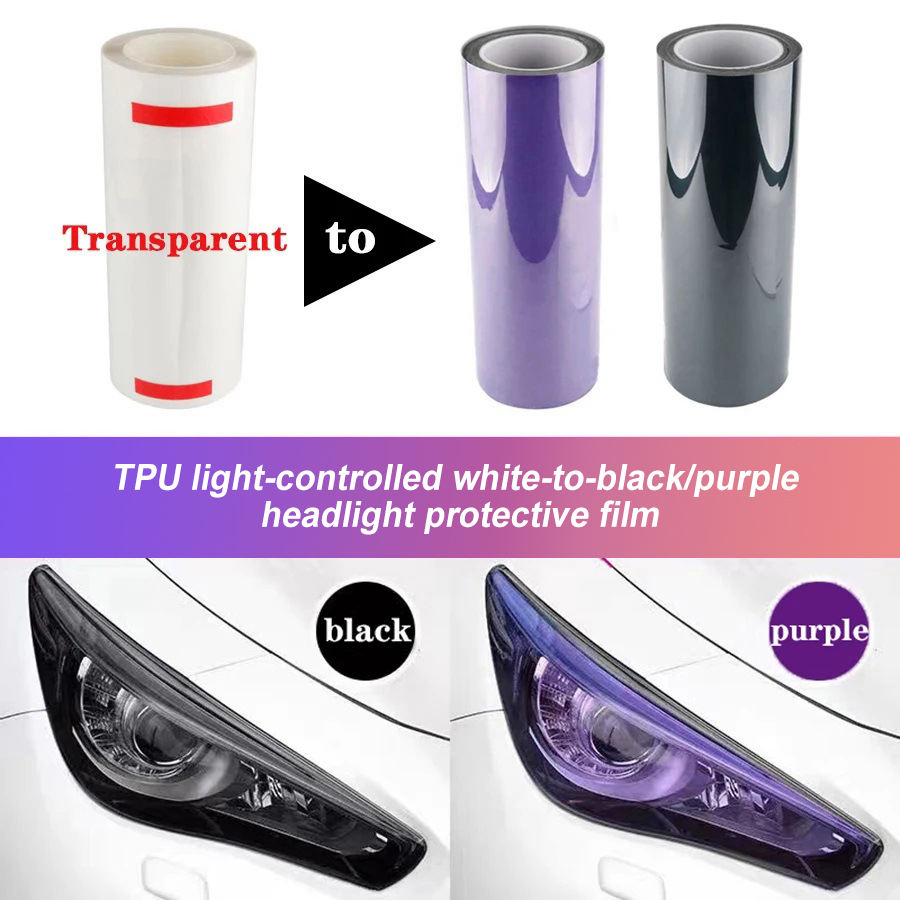
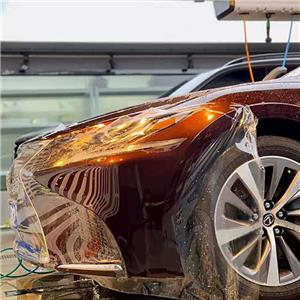
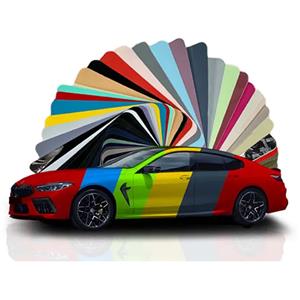
The core product at the heart of this trend is a specialized car headlight wrap film. This is a durable, flexible vinyl or polyurethane material, similar to what is used for full vehicle wraps, but engineered for the unique demands of lighting assemblies. The primary goal of this headlight vinyl wrap is to modify the appearance of the light housing. By applying a colored or tinted headlight tint film, owners can dramatically shift their vehicle's visual language. Popular choices include a light smoke or charcoal film, which gives a sleek, modern, and often more aggressive look. More adventurous options include amber or yellow tints—a nod to classic rally aesthetics—or even vibrant colors for show cars. The process to achieve a car tint headlight effect involves meticulously cleaning the lens, then carefully heating and stretching the film over the headlight's complex curves to achieve a seamless, bubble-free finish.
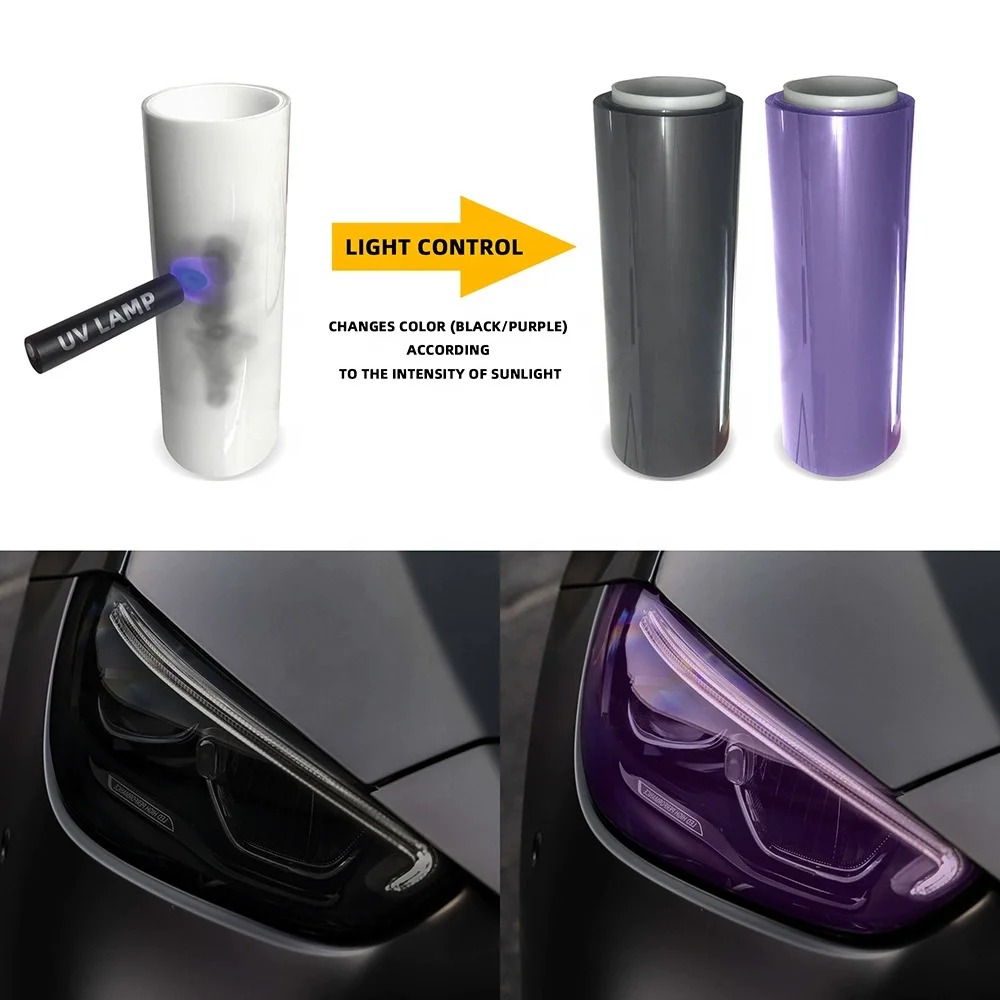
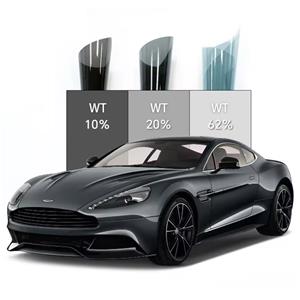
It is crucial, however, to draw a clear distinction between using a light headlight tint film and simply tinting the lenses. The application of a true car headlight wrap film is typically designed to be removable, preserving the factory lens underneath. This differs from permanent methods like spray tinting. Furthermore, the choice of color and opacity is where significant responsibility lies. Applying a dark or opaque headlight tint film will significantly reduce the luminous output of both headlights and tail lights, creating a major safety hazard and almost certainly violating traffic laws. The safe and legal approach to a car tint headlight project is to use a very light-grade tint, ensuring that it minimally impacts the beam pattern and light color emitted. Many regions have strict regulations governing headlight modifications, and a poorly executed headlight vinyl wrap can lead to citations or failed safety inspections.
An alternative and often more pragmatic use for this film category is clear protection. A transparent, high-quality car headlight wrap film can act as a sacrificial layer, shielding the polycarbonate lens from UV damage, road debris, and minor abrasions that cause yellowing and hazing over time. In this role, the film preserves both the clarity of the lens and the vehicle's safety, rather than compromising it.
In summary, the use of headlight vinyl wrap offers a reversible path to a distinctive automotive style. Whether the goal is a subtle smoked effect or a bold color statement, understanding the product is key. A car headlight wrap film provides the medium, but success hinges on selecting a light-permissible headlight tint film, adhering to local regulations, and ensuring a flawless application. When done correctly, this process can elevate a vehicle's aesthetics while offering a layer of protection, proving that sometimes, the most impactful modifications are the ones that frame the light itself.