Windshield Tint Helps Drivers Combat Extreme Heat
Why Windshield Tint Is Becoming the Most Critical Part of Automotive Window Tint Systems
For many years, the automotive industry focused primarily on side-window car tint solutions. Today, that perspective is changing rapidly. Across the Middle East, automotive professionals are increasingly recognizing that windshield tint may be the most important component of a complete automotive window tint system.
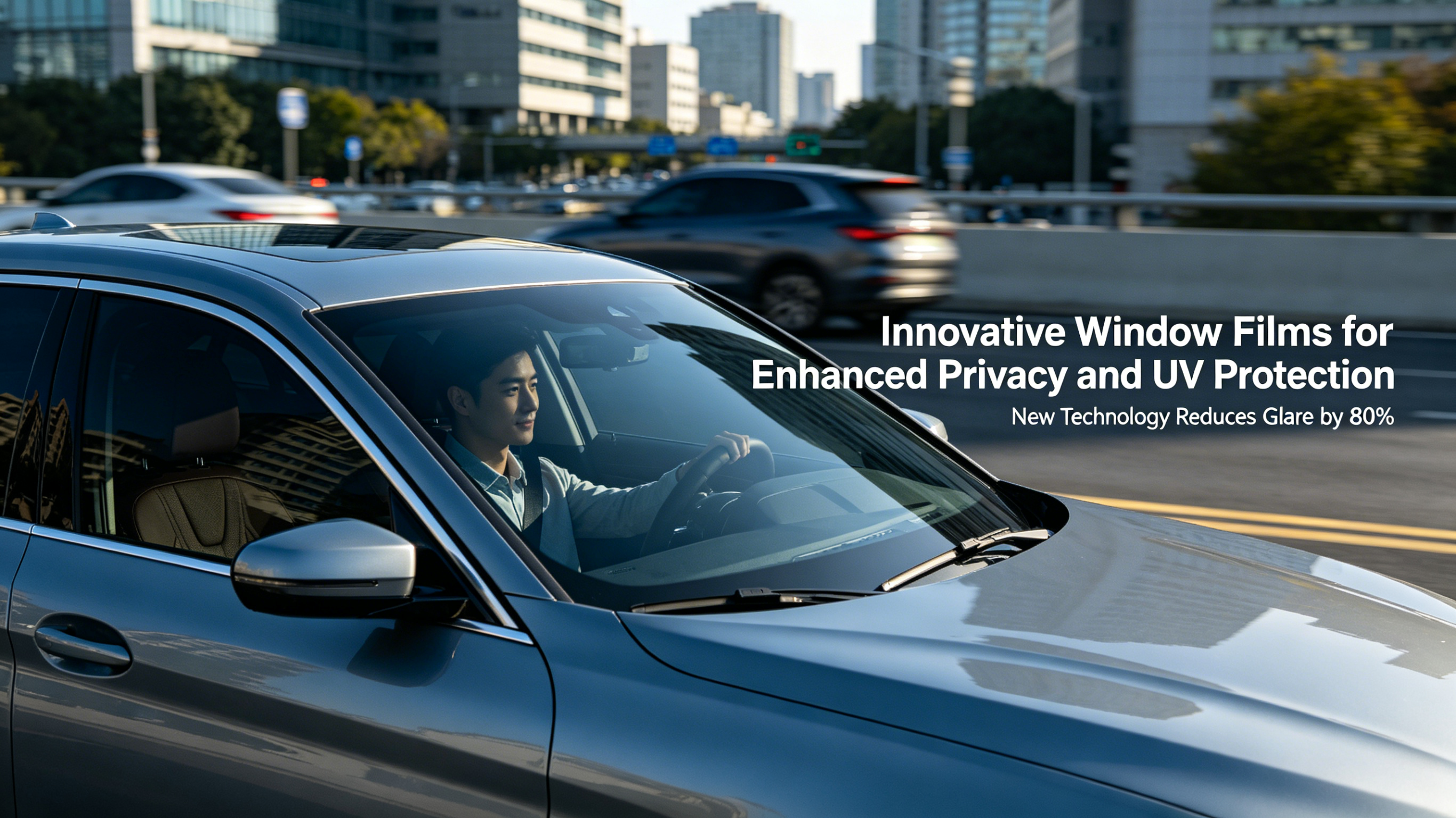
The reason is simple: the windshield is often the largest and most exposed glass surface on a vehicle. As solar radiation strikes the front glass throughout the day, significant amounts of thermal energy enter the cabin. This creates a unique challenge that traditional car tint solutions alone cannot fully address.
As a result, advanced windshield tint technology has become one of the fastest-growing sectors within the global automotive window tint industry. Premium windshield tint, high-performance ceramic window tinting, innovative ceramic car tint, and next-generation automotive window tint products are now being engineered specifically to combat extreme heat while maintaining exceptional visibility.
At Aicksn New Materials Technology Co., Ltd., the future of windshield tint innovation is viewed as a key driver of industry growth. Through advanced manufacturing and continuous research, the company develops automotive window tint, ceramic window tinting, car tint, windshield tint, and ceramic car tint solutions designed to meet the unique demands of Middle Eastern climates.
The Front Glass Challenge
Most vehicle owners underestimate the role of the windshield in cabin heat accumulation.
Modern vehicles often feature expansive windshield designs that improve visibility and aesthetics. However, these larger glass surfaces also increase solar exposure.
During peak daylight hours, the windshield can become a major pathway for thermal energy entering the vehicle. This is why windshield tint has become increasingly important within advanced automotive window tint systems.
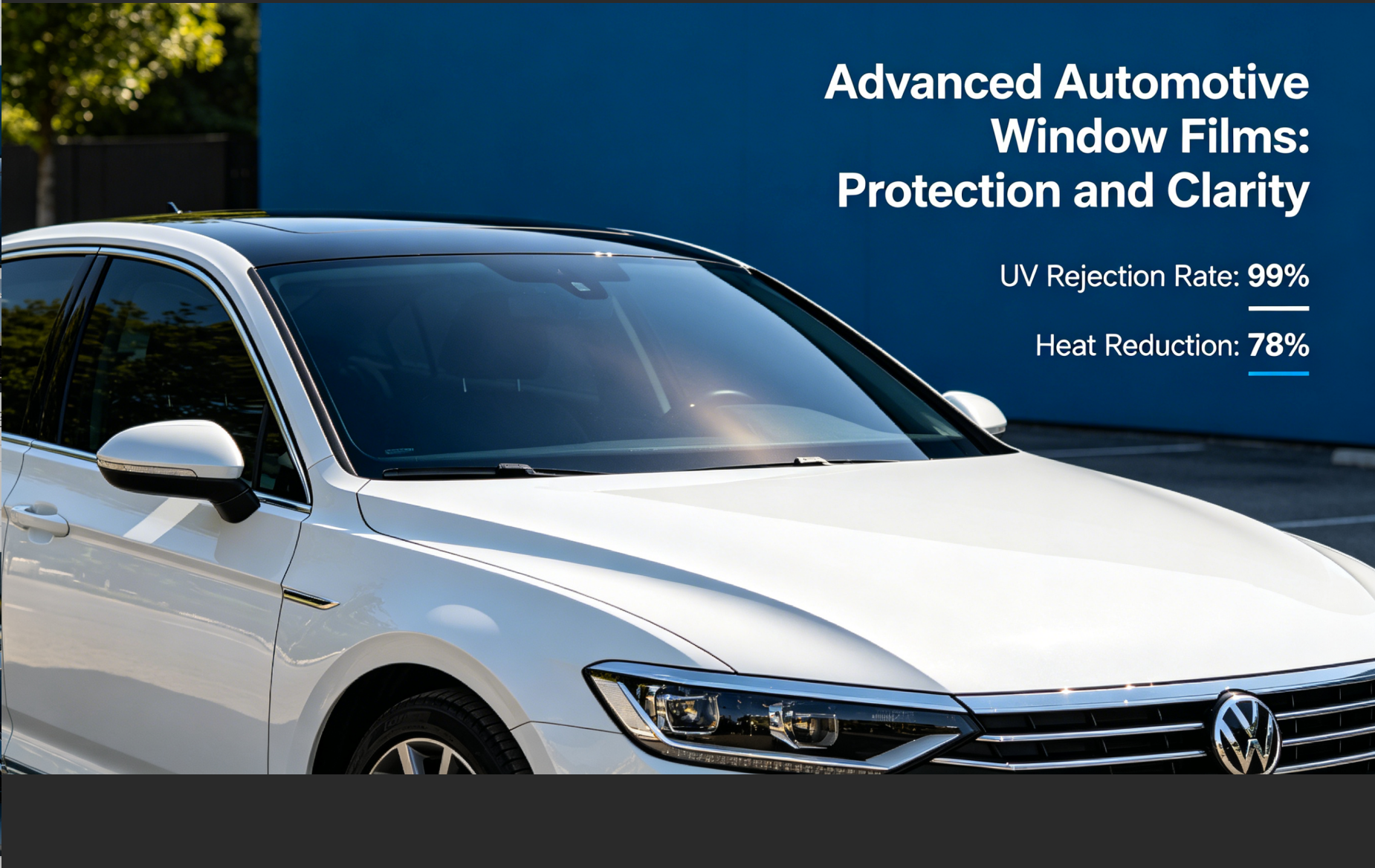
Unlike conventional car tint, premium windshield tint products are specifically engineered to address front-glass thermal challenges. Advanced ceramic window tinting technologies enable windshield tint to reject heat while maintaining the visibility standards required for safe driving.
The integration of windshield tint, automotive window tint, and ceramic car tint creates a more balanced thermal environment throughout the vehicle cabin.
Infrared Shield Technology and the Future of Windshield Tint
One of the most innovative developments within the windshield tint sector is infrared shield technology.
Traditional car tint products primarily focused on reducing visible light. Modern ceramic window tinting products increasingly target infrared energy, which is responsible for a significant portion of perceived heat.
Infrared shield technology enables windshield tint to act as an invisible thermal barrier.
This new generation of automotive window tint products utilizes advanced nano-ceramic structures that help reduce heat penetration while preserving visibility.
The benefits include:
Improved cabin comfort
Enhanced passenger experience
Reduced thermal stress
Better climate-control efficiency
Increased driving satisfaction
As these technologies continue to evolve, ceramic car tint and windshield tint are becoming increasingly sophisticated heat-management solutions.
Windshield Tint for Large SUVs and Luxury Vehicles
The Middle East remains one of the world's strongest markets for luxury SUVs and executive vehicles.
Many of these vehicles feature oversized windshields designed to maximize visibility and create premium cabin environments. While visually appealing, these designs increase the importance of windshield tint.
Premium vehicle owners increasingly invest in advanced windshield tint systems that complement existing automotive window tint installations.
High-performance ceramic window tinting products help optimize thermal comfort without altering the refined appearance of luxury vehicles.
The combination of premium windshield tint, advanced ceramic car tint, and specialized car tint packages is becoming standard among consumers seeking superior driving experiences.
This trend is contributing significantly to growth within the premium automotive window tint market.
Transparent Ceramic Technology Is Changing Perceptions
A common misconception among consumers is that effective automotive window tint must be dark.
Innovative transparent ceramic technologies are changing that perception.
Modern ceramic window tinting products can provide substantial heat rejection while maintaining exceptional optical clarity. This capability is particularly valuable for windshield tint, where visibility remains a top priority.
Transparent ceramic car tint technologies allow manufacturers to create automotive window tint solutions that deliver advanced thermal performance without heavily altering the appearance of the glass.
As consumers become more familiar with transparent windshield tint technologies, demand for premium ceramic window tinting products continues to rise.
Automotive Window Tint for Autonomous Vehicle Readiness
The future of transportation is becoming increasingly automated.
Advanced driver-assistance systems and emerging autonomous technologies rely heavily on cameras, sensors, and monitoring equipment positioned behind the windshield.
This evolution has created new challenges for automotive window tint manufacturers.
Modern windshield tint products must be engineered to support sensor functionality while maintaining thermal performance.
Premium ceramic window tinting technologies are increasingly optimized for compatibility with:
Forward-facing cameras
Sensor arrays
Driver monitoring systems
Safety technologies
Navigation platforms
This compatibility represents an important competitive advantage for advanced ceramic car tint and automotive window tint products.
As vehicles become more technologically sophisticated, sensor-friendly windshield tint solutions will become even more important.
Heat Mapping and Smart Windshield Tint Design
Innovation within the windshield tint sector increasingly relies on advanced heat mapping technologies.
Engineers now use sophisticated thermal imaging systems to study how heat interacts with vehicle glass.
This data helps manufacturers develop more effective automotive window tint products.
Heat mapping allows researchers to identify:
Thermal concentration zones
High-exposure regions
Infrared penetration patterns
Solar load distribution
These insights support the development of more advanced ceramic window tinting and ceramic car tint products.
Future generations of windshield tint may feature region-specific performance optimization based on heat mapping analysis.
This approach represents one of the most exciting innovations within the automotive window tint industry.
Windshield Tint and Human-Centered Vehicle Design
Automotive design is increasingly focused on human experience.
Manufacturers now pay closer attention to passenger comfort, wellness, and long-term driving satisfaction.
Within this context, windshield tint plays an important role.
Advanced automotive window tint systems help create more comfortable environments by reducing thermal stress and improving cabin conditions.
Premium ceramic window tinting solutions support human-centered vehicle design by enhancing:
Visual comfort
Thermal comfort
Passenger satisfaction
Long-distance driving experience
Interior environment quality
This perspective is helping elevate the importance of ceramic car tint and windshield tint throughout the automotive industry.
Smart Manufacturing Enables Better Windshield Tint
The performance of premium windshield tint begins with manufacturing excellence.
At Aicksn New Materials Technology Co., Ltd., production processes for automotive window tint, windshield tint, car tint, ceramic car tint, and ceramic window tinting products rely on advanced manufacturing systems designed to maximize precision.
Modern production technologies improve:
Layer uniformity
Optical consistency
Thermal performance
Product stability
Long-term durability
These capabilities allow manufacturers to produce automotive window tint products capable of meeting increasingly demanding market expectations.
As manufacturing technologies continue to evolve, the performance gap between premium ceramic window tinting and conventional car tint products will likely continue expanding.
Windshield Tint and the Next Decade of Innovation
The future of windshield tint extends far beyond current expectations.
Emerging technologies in nanomaterials, optical engineering, artificial intelligence, and smart manufacturing are creating entirely new possibilities for automotive window tint development.
Future innovations may include:
Adaptive windshield tint
Intelligent thermal-response systems
Enhanced transparent ceramic structures
Integrated smart-glass compatibility
Advanced energy-management coatings
These technologies will help redefine the capabilities of ceramic window tinting, car tint, ceramic car tint, and automotive window tint products.
For consumers facing extreme heat conditions throughout the Middle East, these innovations promise greater comfort, improved efficiency, and enhanced driving experiences.
As one of the industry's dedicated manufacturers, Aicksn New Materials Technology Co., Ltd. remains committed to advancing automotive window tint, windshield tint, ceramic window tinting, car tint, and ceramic car tint technologies through continuous innovation. By combining research, engineering, and manufacturing expertise, the company continues to support the future development of heat-management solutions that help drivers combat extreme temperatures while enjoying safer, more comfortable journeys.