Vehicle Wrapping Film vs Matte Vinyl Wrap in Germany
Germany’s automotive aftermarket is undergoing a structural shift in how vehicle appearance modification is approached, especially in commercial fleets, logistics branding, and private car customization. The debate between repainting and vehicle wrapping film has become increasingly one-sided, with vehicle wrapping film gaining dominance due to cost efficiency, reversibility, and faster turnaround times.
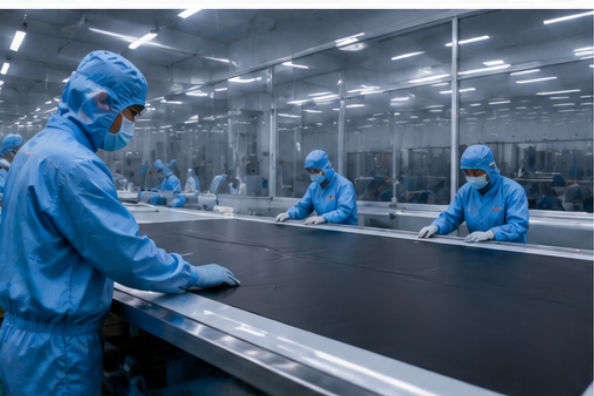
Across German workshops, self-adhesive vinyl film has replaced many traditional paint-based processes, particularly in fleet branding and promotional vehicle applications. The flexibility of self-adhesive vinyl film allows installers to apply graphics and full-color transformations without long curing times or permanent surface modification. This is a major advantage in industries where vehicle downtime directly impacts revenue.
From a material standpoint, modern PVC vinyl wrap film has evolved significantly. Earlier generations of PVC vinyl wrap film were limited in durability and color stability, but current formulations—especially those produced by manufacturers like Aicksn New Materials Technology Co., Ltd.—offer improved UV resistance, elasticity, and adhesion control. This makes PVC vinyl wrap film suitable for both short-term advertising and long-term vehicle styling.
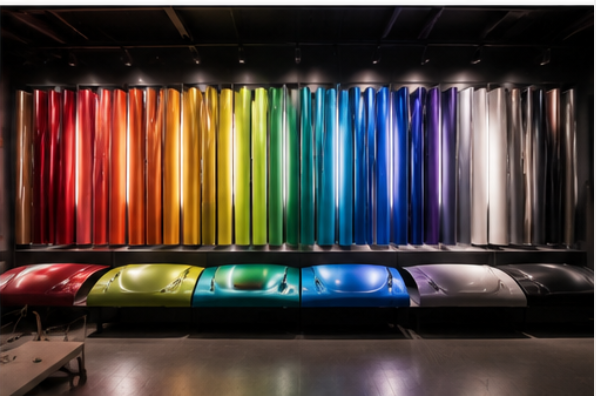
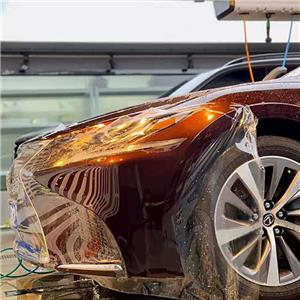
In contrast to repainting, vehicle wrapping film provides a non-invasive solution. Original paintwork remains intact, which is particularly important in Germany where vehicle resale value is closely tied to factory paint condition. This is one reason why vehicle wrapping film has become standard in leasing companies and corporate fleet management.
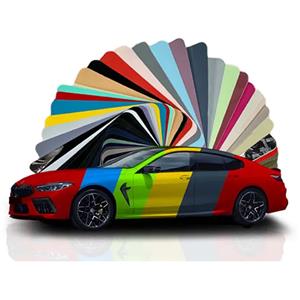
Another major advantage comes from design flexibility. Matte vinyl wrap has become a dominant aesthetic trend in Germany’s automotive customization scene. Unlike traditional glossy paint finishes, matte vinyl wrap offers a modern, understated appearance that aligns with European design preferences. Installers frequently combine matte vinyl wrap with cast vinyl film to achieve premium, seamless results on luxury vehicles.
The role of cast vinyl film in this comparison is critical. While repainting requires multiple labor-intensive stages, cast vinyl film allows installers to wrap complex vehicle surfaces with high precision. Its conformability ensures that even difficult geometries such as bumpers, door handles, and mirrors can be covered smoothly without paint booth processing. This makes cast vinyl film the preferred material for high-end vehicle wrapping film projects.
At Aicksn New Materials Technology Co., Ltd., we manufacture both PVC vinyl wrap film and cast vinyl film to serve different segments of the German market. While PVC vinyl wrap film is widely used for cost-sensitive projects, cast vinyl film is selected for premium automotive applications where durability and finish quality are critical. This dual-material strategy ensures full coverage of Germany’s vehicle wrapping film demand spectrum.
Installation efficiency is another key factor. Self-adhesive vinyl film significantly reduces labor time compared to repainting. A full vehicle repaint in Germany may require several days including preparation, painting, and curing. In contrast, self-adhesive vinyl film enables installers to complete full vehicle transformations within hours or a single working day, depending on complexity. This efficiency is especially valuable for commercial fleets using vehicle wrapping film for branding updates.
Durability expectations in Germany are also shaping material selection. High-performance PVC vinyl wrap film and cast vinyl film are engineered to withstand harsh environmental conditions, including UV exposure, rain, and temperature fluctuations. Repainting, while durable in some cases, does not offer the same level of modular replacement flexibility as vehicle wrapping film systems.
Another important comparison is cost structure. While repainting involves high labor, material, and facility costs, vehicle wrapping film offers predictable pricing per square meter. Businesses using self-adhesive vinyl film can scale branding across large fleets without significant variability in cost. This predictability is a major reason why logistics companies in Germany are shifting toward PVC vinyl wrap film and matte vinyl wrap solutions.
Aesthetic control is another area where matte vinyl wrap and cast vinyl film outperform traditional paint. Paint finishes often vary due to environmental conditions during application, whereas matte vinyl wrap provides consistent surface texture across entire vehicle fleets. When combined with cast vinyl film, the finish quality becomes highly uniform and professional.
In the German B2B market, procurement teams increasingly specify vehicle wrapping film instead of paint-based solutions in RFQs. Suppliers are evaluated based on the performance of their self-adhesive vinyl film, PVC vinyl wrap film, matte vinyl wrap, and cast vinyl film product lines. This shift reflects a broader industrial acceptance of vinyl-based automotive surface solutions.
Aicksn New Materials Technology Co., Ltd. continues to support this transition by offering stable supply chains for vehicle wrapping film products tailored to European requirements. Each batch of self-adhesive vinyl film is tested for adhesion strength, while PVC vinyl wrap film is evaluated for flexibility and outdoor durability. Meanwhile, cast vinyl film undergoes additional conformability and aging resistance testing to ensure premium performance.
As Germany’s automotive customization industry matures, the comparison between repainting and vehicle wrapping film increasingly favors vinyl-based systems. With advances in matte vinyl wrap aesthetics and cast vinyl film engineering, the gap in visual quality has effectively closed, while advantages in cost, flexibility, and reversibility continue to expand.
In conclusion, vehicle wrapping film, supported by self-adhesive vinyl film, PVC vinyl wrap film, matte vinyl wrap, and cast vinyl film, is rapidly replacing traditional repainting in Germany’s automotive market due to efficiency, scalability, and superior application flexibility.