US Consumers Choose Ceramic Tint for Heat Control
American drivers are becoming more selective about how they upgrade their vehicles, and the reasons are increasingly practical rather than purely aesthetic. One of the clearest examples of this shift is the rapid rise of Ceramic Tint as a preferred solution for managing in-cabin heat. Across hot and sun-exposed regions of the United States, Ceramic Tint is now seen as a functional upgrade that directly improves daily driving conditions.
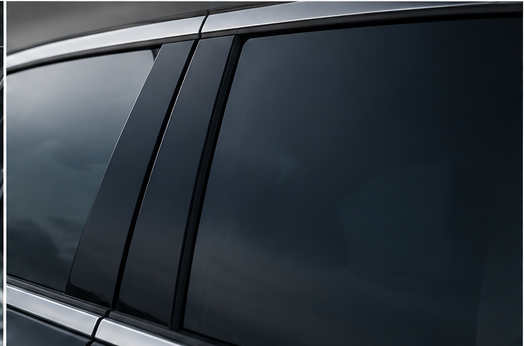
Unlike earlier generations of automotive films that focused mainly on appearance or basic shading, Ceramic Tint is now evaluated based on performance consistency, temperature reduction capability, and long-term stability. Consumers want measurable results, and Ceramic Tint is increasingly delivering exactly that. At the same time, demand for Window Tint, Ceramic Window Tint, Paint Protection Film, and PPF Film continues to grow as drivers adopt a more complete approach to vehicle protection.
For manufacturers like Aicksn New Materials Technology Co., Ltd., this evolution reflects a market moving toward performance-driven product selection and higher technical expectations.
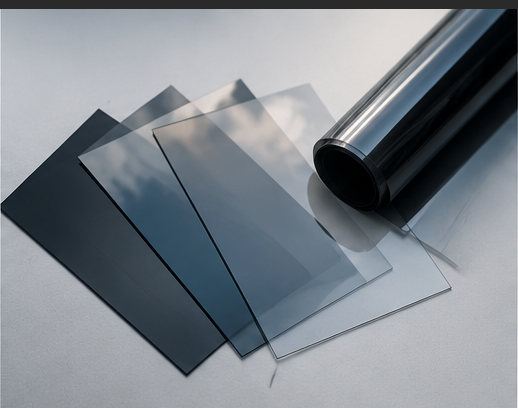
Heat Management Becomes a Daily Requirement
For many US drivers, heat inside a parked or running vehicle is no longer viewed as a seasonal inconvenience—it is a daily usability issue. This is one of the key reasons Ceramic Tint adoption has expanded beyond luxury vehicles.
Commuters in urban environments are increasingly choosing Ceramic Tint because vehicles are frequently parked under direct sunlight. Parents transporting children prioritize Ceramic Tint to maintain more stable cabin conditions. Ride-share drivers rely on Ceramic Tint to ensure passenger comfort throughout long operating hours.
What distinguishes Ceramic Tint in this context is not just reduced brightness, but its ability to support more consistent interior temperature control compared to conventional solutions. This performance-driven perception has positioned Ceramic Tint as a problem-solving upgrade rather than a cosmetic enhancement.
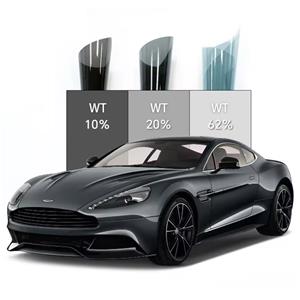
As awareness grows, consumers often compare Ceramic Tint directly with standard Window Tint, quickly recognizing the performance gap.
Window Tint Remains the Entry Point for Most Consumers
While advanced solutions are gaining attention, Window Tint continues to dominate as the most common starting point for automotive film upgrades.
Many drivers still choose Window Tint primarily for privacy, glare reduction, and visual styling. However, once they experience seasonal heat challenges, they often begin exploring higher-performance options. This transition pathway is one of the main reasons Window Tint remains so important in the broader automotive aftermarket ecosystem.
Fleet operators, in particular, continue large-scale adoption of Window Tint because it offers a cost-effective baseline improvement across many vehicles. Even in commercial use cases, Window Tint helps reduce driver fatigue caused by prolonged sun exposure.
As a result, Window Tint and Ceramic Tint are increasingly positioned as complementary rather than competing solutions, depending on budget and performance expectations.
Ceramic Window Tint Bridges Comfort and Technology
A growing segment of consumers is moving toward Ceramic Window Tint, which combines advanced heat control with a more refined visual experience.
Drivers who choose Ceramic Window Tint often do so after comparing multiple film types and prioritizing long-term comfort. Unlike basic options, Ceramic Window Tint is frequently selected by owners of newer vehicles equipped with advanced infotainment systems and driver-assist technologies.
The appeal of Ceramic Window Tint lies in its balance: it offers a premium appearance while supporting modern electronic compatibility expectations. This makes Ceramic Window Tint especially popular among tech-focused consumers and EV owners who want upgrades aligned with modern vehicle design.
In many cases, installers report that customers initially request Window Tint, then upgrade to Ceramic Window Tint after understanding performance differences.
Paint Protection Film Expands the Protection Mindset
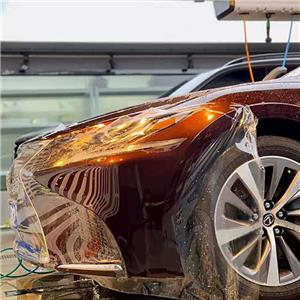
As consumers become more performance-oriented with interior comfort upgrades, they are also extending that mindset to exterior protection through Paint Protection Film.
Drivers investing in Ceramic Tint for heat control are often the same consumers choosing Paint Protection Film to preserve exterior surfaces. This reflects a broader shift toward preventive vehicle care rather than reactive repair.
Highway commuters, in particular, are adopting Paint Protection Film to reduce long-term cosmetic damage from road debris. Luxury vehicle owners rely on Paint Protection Film to maintain showroom-level appearance. EV owners increasingly view Paint Protection Film as essential for preserving factory finishes.
The growing awareness of Paint Protection Film has helped normalize proactive vehicle protection strategies across a wider audience.
PPF Film Gains Traction Through Education and Visibility
The increasing popularity of Paint Protection Film has naturally elevated awareness of PPF Film, especially through digital content, installer demonstrations, and customer testimonials.
Consumers researching PPF Film are typically focused on clarity, durability, and longevity. They want assurance that protection will not alter the vehicle’s appearance while still delivering meaningful defense against damage.
Modern PPF Film products address these expectations by offering transparent protection that preserves original paint aesthetics. This has made PPF Film especially attractive to detail-oriented buyers and enthusiasts who value originality.
Installers also report that PPF Film adoption is rising as customers become more educated about long-term ownership costs. Once consumers understand how PPF Film reduces the likelihood of repainting or cosmetic repair, purchase intent increases significantly.
Aicksn Supports Performance-Driven Market Demand
The shift toward performance-based purchasing decisions has placed new demands on manufacturers in the automotive film industry.
Aicksn New Materials Technology Co., Ltd. has developed production systems designed to support consistent quality across Ceramic Tint, Window Tint, Ceramic Window Tint, Paint Protection Film, and PPF Film product lines.
Precision manufacturing helps ensure stable optical clarity in Window Tint products while enabling reliable heat-rejection performance in Ceramic Tint and Ceramic Window Tint solutions. At the same time, material engineering processes support durability and consistency in Paint Protection Film and PPF Film products.
Ongoing research and development efforts focus on improving thermal performance in Ceramic Tint, enhancing clarity in Ceramic Window Tint, and extending durability in Paint Protection Film systems. Continuous optimization ensures that PPF Film and other solutions remain aligned with evolving market expectations.
Through OEM and ODM services, Aicksn also enables partners to tailor Window Tint, Ceramic Tint, Ceramic Window Tint, Paint Protection Film, and PPF Film offerings to specific regional and commercial needs.
The Future of Heat-Control Upgrades
The increasing adoption of Ceramic Tint reflects a broader transformation in how consumers evaluate automotive upgrades. Heat control is no longer a secondary benefit—it is becoming a primary purchasing factor.
At the same time, Window Tint continues serving as the foundational entry point for most drivers, while Ceramic Window Tint expands in the premium segment. Meanwhile, Paint Protection Film and PPF Film reinforce the shift toward comprehensive vehicle protection strategies.
Together, these technologies demonstrate a clear direction for the automotive aftermarket: functional upgrades that improve daily experience while protecting long-term value.
As demand continues to grow, Aicksn New Materials Technology Co., Ltd. remains committed to delivering reliable Ceramic Tint, advanced Window Tint, premium Ceramic Window Tint, durable Paint Protection Film, and high-performance PPF Film solutions for the evolving US automotive market.