PPF Wrap vs Chrome Wrap: Which Is Right for Your Car?
Choosing an automotive film is not simply a matter of picking a color. Vehicle owners increasingly compare protection, appearance, installation behavior, maintenance, and long-term value before deciding which film deserves a place on the car. Two products often discussed for very different reasons are PPF wrap and chrome wrap. A third option, carbon wrap, appeals to drivers who prefer a technical motorsport-inspired appearance, while matte wrap offers a quieter and more sophisticated surface. For drivers seeking a complete transformation, a full-body car wrap can combine extensive coverage with a new visual identity.
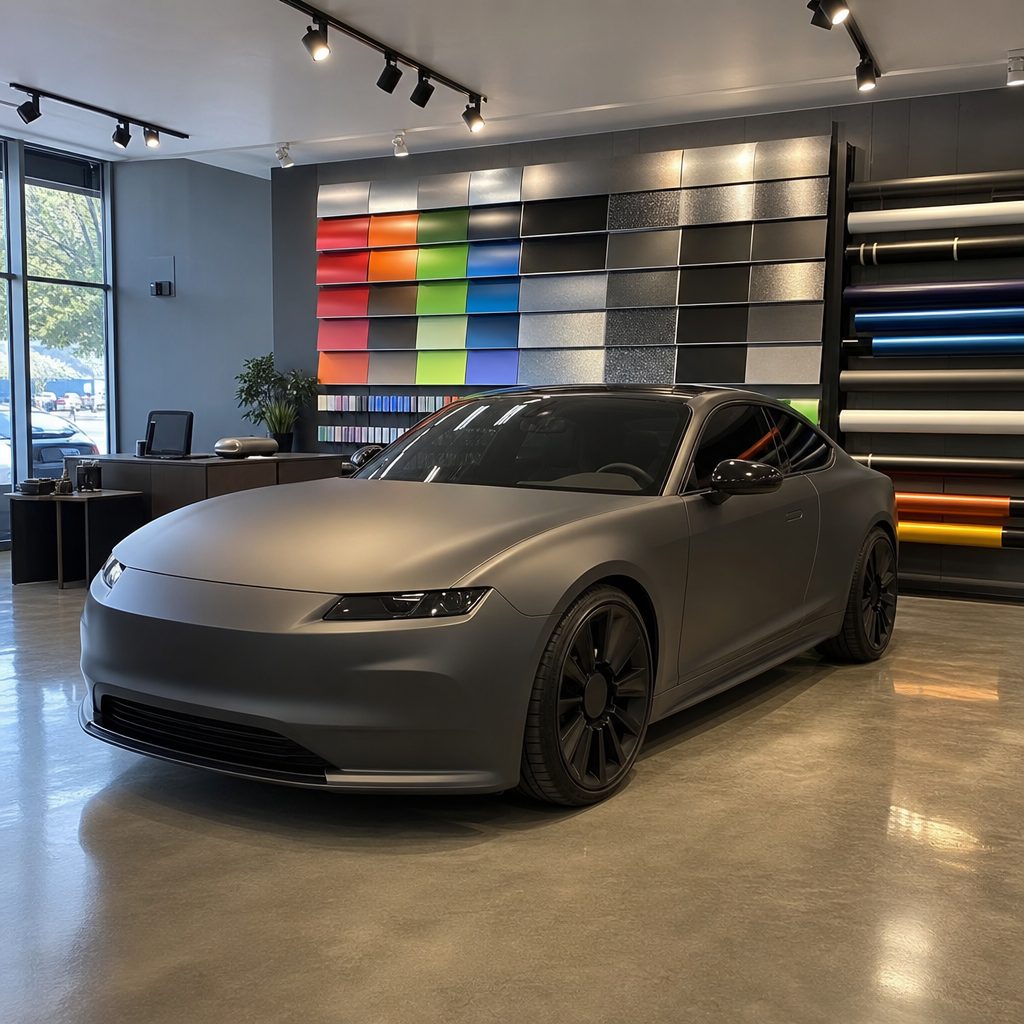
The right choice depends on the purpose of the project. PPF is primarily associated with surface protection, while chrome films are selected for visual impact. Carbon textures are often used to emphasize specific panels, and matte finishes change the way light interacts with the entire vehicle.
What Makes PPF Wrap Different?
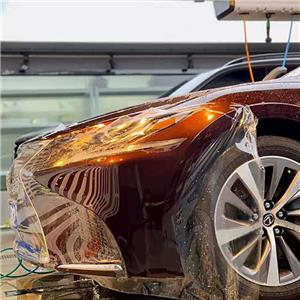
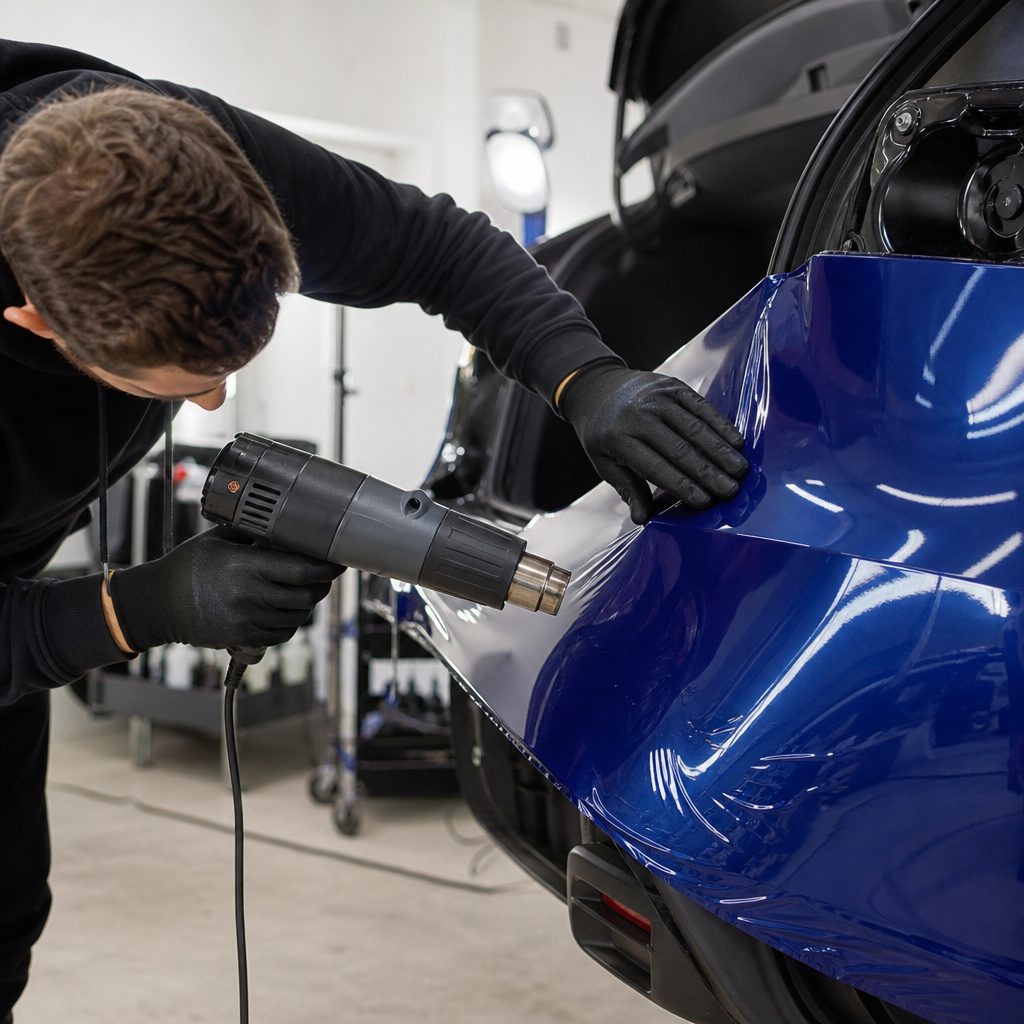
A PPF wrap is designed around protection rather than dramatic color transformation. Modern paint protection films can use multilayer constructions that combine a protective top surface, polymer base, adhesive system, and installation liner. The objective is to create a resilient barrier between the vehicle's original paint and everyday environmental exposure.
Aicksn's automotive PPF portfolio includes satin and transparent paint protection products. Its published product information describes a multilayer structure, scratch resistance, stain resistance, high conformability, self-healing characteristics, and resistance to UV and chemical exposure.
This makes PPF particularly attractive for new vehicles, premium cars, performance vehicles, and owners who want to preserve an original paint finish.
A PPF wrap also has a different visual philosophy. A transparent product allows the original paint color to remain visible, while satin or matte PPF can alter the visual character without completely hiding the factory color. That distinction matters when the owner wants protection and design improvement at the same time.
Why Choose Chrome Wrap?
A chrome wrap is almost the opposite of conventional clear protection film. Its main attraction is visual reflection. Instead of quietly protecting the original paint, chrome film dramatically changes how the vehicle interacts with surrounding light.
Chrome surfaces can create a mirror-like or metallic appearance that looks particularly striking on sports cars, show vehicles, promotional vehicles, and selected body panels. However, the reflective surface can also make installation imperfections more visible.
That is why professional material consistency matters. When a film is applied across large panels, variation in thickness, surface finish, adhesive behavior, or color can become much more noticeable. Professional wrapping standards emphasize inspecting film quality, preparing the vehicle surface, accurately measuring panels, and conducting a final inspection after installation.
Aicksn's manufacturing system focuses on material selection, film production, surface processing, and final quality inspection, providing a production approach suitable for different automotive film applications.
Where Carbon Wrap Fits
For drivers who want a sporty appearance without the highly reflective effect of chrome, carbon wrap is an interesting alternative.
Carbon-style film reproduces the visual character of woven carbon fiber while remaining considerably easier to integrate into an everyday vehicle design. It can be applied to hoods, roofs, mirror caps, spoilers, pillars, dashboards, and other selected areas.
The advantage of carbon wrap is visual flexibility. A complete carbon effect can create an aggressive motorsport look, while smaller applications can highlight individual design features without overwhelming the vehicle.
For professional installers, textured film also demands consistency. The pattern needs to remain visually aligned across the panel, especially around curves and transitions. A film with stable dimensional behavior makes the installation process more predictable.
Why Matte Wrap Continues to Attract Drivers
A matte wrap changes the vehicle's appearance by reducing direct reflection. Instead of emphasizing a glossy surface, matte material creates a softer visual effect that can make body lines appear more sculpted.
Matte black is especially popular because it combines a neutral color with a distinctive low-reflection surface. Aicksn's published matte black product specifications describe a five-layer construction consisting of a scratch-resistant topcoat, color layer, reinforced core, adhesive, and application liner. The company also states that the material can stretch up to three times its original size under its specified application conditions.
This type of engineering is important because automotive panels are rarely flat. Door handles, bumpers, mirrors, fenders, and aerodynamic contours all require the film to adapt without excessive wrinkling or tearing.
When a Full-Body Car Wrap Makes Sense
A full-body car wrap is appropriate when the objective is to transform the vehicle rather than modify a single panel.
A complete project requires more than simply having enough film. Installers must consider panel dimensions, seams, door edges, bumpers, mirrors, recesses, and the sequence in which panels are wrapped. The Australian national training framework for vehicle body film application specifically emphasizes surface preparation, material inspection, accurate measurement, pattern development, correct application, and final inspection.
Aicksn's published roll specification of 1.52 m × 17 m provides a useful reference for professional project planning. Its product page also states that large quantities are available from stock and that standard delivery can be less than seven days.
For distributors and wrapping studios, supply consistency is therefore just as important as appearance.
Aicksn's Manufacturing Perspective
Aicksn New Materials Technology Co., Ltd. approaches automotive film production as a material engineering process rather than simply a color-production exercise. Its published information references ISO 9001 and SGS certification, advanced manufacturing machinery, factory stock, and structured quality inspection.
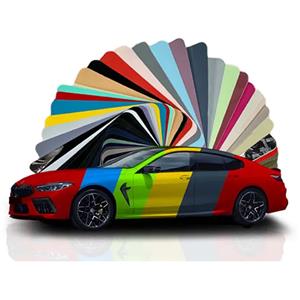
The company's color-change film range includes more than 300 colors and finishes, giving professional installers a broad selection for different vehicle projects.
For buyers evaluating a supplier, these details matter because film quality is influenced by consistency from raw material selection through coating, lamination, adhesive processing, surface treatment, slitting, inspection, and packaging.
Which Film Should You Choose?
Choose a PPF wrap when protection of the original paint is the main objective. Choose a chrome wrap when visual impact is the priority. Select carbon wrap when a technical or motorsport-inspired texture is desired. Choose a matte wrap for a sophisticated, low-reflection appearance.
If the project involves changing the appearance of nearly every exterior panel, a full-body car wrap provides the broadest design opportunity.
The best material is ultimately the one that matches the vehicle, installation conditions, desired appearance, and expected use. Aicksn's combination of multiple film technologies, extensive finish selection, multilayer constructions, production inspection, and documented supply capabilities gives professional installers a practical platform for building different automotive film solutions.