Metallic Car Tint vs. Ceramic Film: Key Differences Explained
Choosing between metallic and ceramic automotive window film can be challenging because both technologies are used in products designed to manage solar energy. Their appearance, material construction, reflectivity, electronic compatibility, and price can differ significantly. The best choice depends on the vehicle, the driver's priorities, and the performance data of the specific product.
For Aicksn New Materials Technology Co., Ltd., explaining these differences can help distributors and installers match their product range to customer needs while avoiding misleading comparisons based on technology names alone.
How Metallic Car Tint Differs from Ceramic Film
Metallic car tint incorporates metallic materials into the film structure. These materials influence how selected wavelengths of solar radiation are reflected, transmitted, or absorbed. Depending on the formulation, the product may have a reflective appearance and offer useful solar-control performance.
Ceramic film uses specialized nonmetallic materials to influence the transmission of selected wavelengths. Certain formulations are designed to provide infrared management without a strongly reflective appearance. However, ceramic products vary widely, so the category name does not guarantee a particular performance level.
The key difference is the construction, not simply the shade. Two films with similar visible light transmission values may have different infrared performance, total solar energy rejection, reflectivity, or signal compatibility.
A metalized window film may be attractive for a customer who prefers a reflective appearance. A ceramic alternative may be considered when a less reflective finish is desirable. In both cases, the final decision should be based on measured specifications and the intended application.
Compare Heat-Control Performance Correctly
Solar energy includes visible light, ultraviolet radiation, and infrared radiation. Film products interact with these components in different ways, so a single headline percentage cannot fully describe thermal performance.
Infrared rejection should be accompanied by the wavelength range and test method. Total solar energy rejection, where measured using an appropriate method, offers a broader assessment of the solar energy prevented from passing through the tested system.
Buyers should also establish whether the test was performed on bare film or on film installed over a particular glass substrate. The original vehicle glass influences the final result, so measurements from different configurations may not be directly comparable.
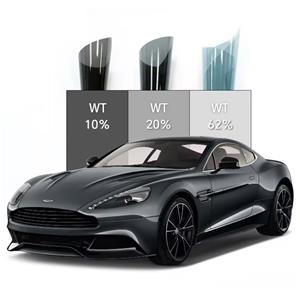
Car window darkening film is often selected according to shade, but visible darkness does not establish the level of heat rejection. A darker product may reduce visible light more strongly without delivering the best overall solar-control performance.
Aicksn can help customers make fair comparisons by providing clearly defined product specifications and identifying the test conditions behind the figures. Verified results are more useful than broad statements that one technology always outperforms another.
Reflectivity and Appearance
Metallic car tint may produce a reflective appearance that appeals to drivers who want a distinctive vehicle style. The degree of reflectivity depends on the materials, layer structure, shade, and angle of observation.
Ceramic films are often selected for a more subdued appearance, although their actual reflectivity also depends on the formulation. Customers should review samples in natural daylight and under different viewing angles before making a final choice.
An auto tint film should maintain consistent color across the vehicle. Uneven shades or inconsistent reflection between rolls can create an unattractive finish. Buyers should therefore request representative samples and check that production lots meet the approved specification.
Electronic Signal Considerations
Some metallic film constructions can influence the transmission of radio-frequency signals. Depending on the materials and vehicle configuration, this may be relevant to GPS navigation, mobile communications, toll collection equipment, or other electronic systems.
Not every metallic product causes a noticeable signal problem, and the degree of interference cannot be determined from the product category alone. Buyers should request available compatibility information for the specific film and vehicle application.
Ceramic films avoid the use of metallic layers in their conventional construction, which may make them a suitable option when signal transmission is a priority. Nevertheless, the overall vehicle configuration and other glass components still matter.
Metalized window film should therefore be assessed through actual specifications and, where relevant, suitable compatibility testing rather than assumptions based on appearance.
Durability and Color Stability
Long-term appearance is another important comparison point. Automotive film is exposed to sunlight, heat, moisture, and repeated temperature changes. Material formulation and manufacturing consistency influence how well a product maintains its intended appearance.
A professional quality program may include color checks, optical measurements, adhesion testing, and environmental-aging evaluations. The supplier should define the test conditions and acceptance criteria so buyers can understand what the results establish.
For example, a proposed aging evaluation could compare the appearance and optical properties of a sample before and after controlled exposure. The duration and conditions should be selected according to the relevant product specification, and laboratory results should not be converted into an unsupported number of years of field service.
Aicksn should use actual test records when describing the durability of its metallic or ceramic products. Where a product has not been tested for a particular condition, that limitation should be communicated clearly.
Manufacturing Quality Makes the Difference
Technology alone does not guarantee a high-quality finished roll. Material purity, coating uniformity, film thickness, adhesive consistency, surface cleanliness, and winding control can influence performance and installation results.
A practical manufacturing inspection framework can include incoming-material checks, in-process monitoring, dimensional measurements, optical testing, and final visual inspection. Sampling at multiple points in a production run may help identify variation that a single sample would miss.
Finished rolls should be protected against dust, moisture, edge damage, and deformation during storage and transportation. Lot identification and inspection records help distributors track products and investigate reported problems.
These measures describe recommended practices rather than verified details of Aicksn's current factory operations. Actual production capacity, test equipment, and quality results should be documented before being used in marketing materials.
Windshield Applications and Legal Requirements
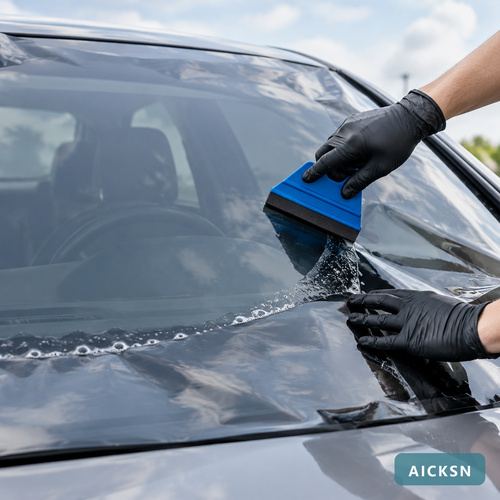
Windshield tint requires special consideration because the driver depends on clear forward visibility. Regulations may restrict full-windshield applications, minimum light transmission, reflectivity, or permitted placement.
An auto tint film suitable for side windows may not be appropriate for the windshield. Installers should confirm the product's optical properties, the existing glass configuration, and any sensor or camera requirements before application.
Both metallic car tint and ceramic film must meet the requirements of the intended application. Buyers should not assume that a technology is automatically legal or suitable merely because it offers strong solar-control performance.
Which Technology Should Buyers Choose?
Metallic car tint may suit customers who value reflective styling and the performance characteristics of a specific metallic construction. Ceramic film may appeal to drivers who prefer a less reflective appearance or want to investigate nonmetallic solar-control options.
Car window darkening film should be selected according to the driver's privacy needs, visibility requirements, and local regulations. Windshield tint needs particular attention to optical quality and permitted installation areas, while metalized window film should be assessed for reflectivity and electronic compatibility where relevant.
For professional buyers, the strongest purchasing method is to compare products with equivalent test data, inspect samples, confirm installation requirements, and review warranty conditions. Aicksn New Materials Technology Co., Ltd. can support this process by providing clear documentation and consistent product identification.
Neither metallic nor ceramic technology is universally best. The right choice is the product whose verified performance, appearance, and application requirements align with the customer's priorities.