How Car Solar Film Improves Driving Comfort and UV Protection
The growing demand for comfortable, energy-efficient vehicles has made automotive window protection an important consideration for drivers, vehicle dealers, and automotive film distributors. A high-quality Car Solar Film can help manage sunlight entering the cabin, reduce solar heat gain, and improve the driving experience in warm climates. For Aicksn New Materials Technology Co., Ltd., developing automotive solar films means balancing optical clarity, heat-control performance, durability, and practical installation requirements.
Understanding the Role of Car Solar Film
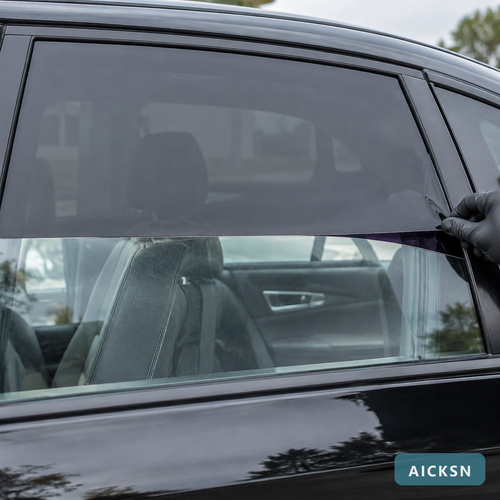
Automotive glass allows visible light and varying amounts of solar energy to enter a vehicle. Under direct sunlight, the dashboard, seats, steering wheel, and other interior surfaces can absorb heat, contributing to uncomfortable cabin temperatures. A carefully selected Car Solar Film provides an additional functional layer on the glass, helping control solar transmission according to its material composition and optical characteristics.
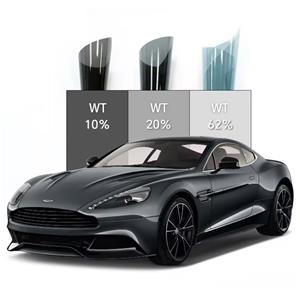
The performance of a Car Solar Film depends on several factors, including visible light transmission, ultraviolet rejection, infrared performance, total solar energy rejection, and reflectivity. These measurements describe different properties and should not be treated as interchangeable. A film with strong ultraviolet protection, for example, does not automatically provide the same level of infrared rejection or total solar energy control.
Aicksn New Materials Technology Co., Ltd. focuses on automotive solar film solutions designed around these practical requirements. By evaluating film construction, appearance, and performance specifications, buyers can select products that better match the intended vehicle category, local climate, and customer expectations.
Connecting UV Protection With Everyday Comfort
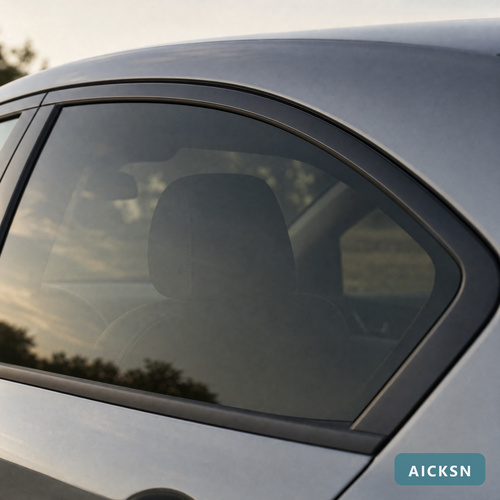
Ultraviolet exposure is a major consideration in automotive interior protection. Depending on the glass and film construction, an effective Car Solar Film can significantly reduce the amount of ultraviolet radiation transmitted through treated windows. This can help limit one contributor to fading and material deterioration in seats, trim, and other interior components.
Drivers should distinguish UV protection from heat rejection. Ultraviolet radiation, visible light, and infrared radiation occupy different parts of the solar spectrum. A product designed to control one part of that spectrum may perform differently across the others. For this reason, Aicksn encourages distributors and professional installers to evaluate documented test results rather than rely only on product descriptions or visual appearance.
A suitable Heat Rejection Window Film can provide additional thermal benefits by reducing the amount of solar energy transmitted into the cabin. In hot regions, this performance can support a more comfortable interior after a vehicle has been parked outdoors. Actual results depend on glass type, film properties, vehicle design, weather, and exposure conditions.
The right combination of optical and thermal properties can make a difference to drivers who regularly travel in strong sunlight. It also gives automotive businesses a clear way to explain the practical value of different film grades.
Comparing Ceramic and Reflective Technologies
Not every automotive film uses the same approach to solar management. Ceramic Window Tint typically uses engineered ceramic particles or related nonmetallic materials to influence infrared transmission while maintaining a selected level of visible light transmission. Product performance varies by formulation, so buyers should compare measured specifications rather than assume every ceramic film delivers identical results.
A Reflective Window Film, by contrast, uses reflective optical characteristics to return a portion of incoming solar energy away from the glass. Depending on its construction, a reflective product may offer a visibly metallic appearance. This can suit particular styling preferences, but reflection levels should be considered alongside visibility, glare, and local regulations.
Both technologies can serve automotive applications, yet their performance profiles and visual effects may differ. Aicksn's automotive solar film selection process should therefore begin with the buyer's intended application, required optical properties, and target market rather than a single headline specification.
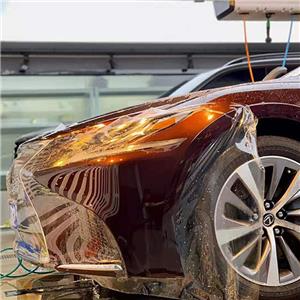
A premium Car Solar Film should be evaluated as a complete product, including its optical appearance, consistency, adhesion system, installation behavior, and long-term stability. These factors influence customer satisfaction just as much as an advertised heat-rejection figure.
Manufacturing Consistency and Quality Evaluation
For automotive film distributors, consistent production quality is essential. Variations in coating uniformity, film thickness, optical characteristics, or adhesive performance can affect the finished installation. A professional manufacturing process should therefore include appropriate incoming-material checks, controlled coating and converting operations, and finished-product inspection.
At Aicksn New Materials Technology Co., Ltd., product development and manufacturing evaluation are directed toward the requirements of automotive solar film applications. Depending on the specification, relevant checks may include visible light transmission, haze, appearance, surface defects, adhesion behavior, dimensional consistency, and solar-performance testing. Testing methods and acceptance criteria should be established for the particular product rather than assumed to be identical across all film types.
A reliable Automotive Solar Film also needs suitable packaging and handling procedures. Rolls should be protected against contamination, scratches, excessive moisture, and avoidable deformation during storage and transport. Clear labeling and specification documentation help distributors maintain product traceability and communicate the correct application requirements to installers.
These manufacturing details are especially important for buyers serving multiple markets. A film specification suitable for one vehicle segment or region may not meet the expectations or legal requirements of another.
Selecting Film for Different Vehicle Applications
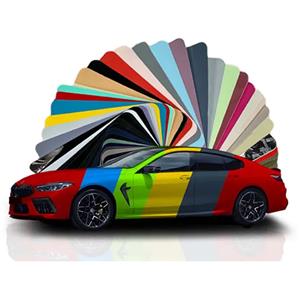
Passenger cars, sport utility vehicles, commercial vehicles, and premium vehicles may have different appearance and performance priorities. Some buyers prefer a neutral, low-reflectivity finish, while others seek stronger solar control or a more distinctive metallic appearance.
A Heat Rejection Window Film should be selected according to measurable thermal performance, the desired visible light transmission, and the characteristics of the vehicle glass. Buyers should also consider whether the product is intended for side windows, rear windows, or another approved application. Windshield use requires particular attention to visibility and applicable regulations.
For customers who prioritize a nonmetallic appearance, Ceramic Window Tint may be a relevant option. Customers seeking a more reflective finish may instead consider a compatible Reflective Window Film. The final decision should be based on product data, intended use, and local requirements.
Aicksn can work with buyers to clarify product specifications and application expectations before orders are finalized. This approach helps reduce misunderstandings about appearance, installation conditions, and performance targets.
Building Long-Term Value for Distributors
Automotive film purchasing involves more than comparing the initial roll price. Distributors also need to consider manufacturing consistency, packaging, technical documentation, product availability, and communication with the supplier. A product that is easy to specify and supported by clear information can help installers explain its benefits to end customers.
A well-positioned Car Solar Film product should have a defined target application and transparent performance claims. Likewise, Automotive Solar Film descriptions should explain whether figures refer to ultraviolet rejection, infrared rejection, visible light transmission, or total solar energy rejection. This distinction supports more informed purchasing and helps prevent exaggerated marketing claims.
Aicksn New Materials Technology Co., Ltd. recognizes the importance of matching automotive film solutions with practical market needs. For distributors developing a portfolio, a clearly differentiated range of solar-control products can support customer choice across different price levels, appearances, and performance requirements.
Moving Toward Smarter Automotive Solar Protection
Automotive solar film continues to serve drivers who want improved cabin comfort, reduced ultraviolet transmission, and a finish suited to their vehicles. The most appropriate product is not necessarily the darkest or most reflective option. It is the one whose measured characteristics align with the vehicle, installation requirements, climate, and customer priorities.
By comparing Car Solar Film, Heat Rejection Window Film, Ceramic Window Tint, Reflective Window Film, and other Automotive Solar Film options using consistent test data, buyers can make more informed decisions. Aicksn New Materials Technology Co., Ltd. aims to support this process through product-focused manufacturing, specification communication, and attention to the quality factors that matter throughout the supply chain.