Ceramic Window Tinting Reduces Heat in Gulf Vehicles
The Science of Heat Management Is Redefining Automotive Window Tint
For years, consumers in the Gulf region measured the value of automotive window tint by appearance alone. Today, a new generation of vehicle owners, fleet operators, and automotive professionals is evaluating automotive window tint based on measurable thermal performance. This transformation is driving rapid adoption of advanced ceramic window tinting technologies throughout the Middle East.
The Gulf region presents one of the world's most demanding environments for vehicles. Extreme solar radiation, prolonged exposure to direct sunlight, and year-round high temperatures create unique challenges that conventional car tint products often struggle to address. As a result, ceramic window tinting has emerged as the preferred solution for consumers seeking meaningful heat reduction.
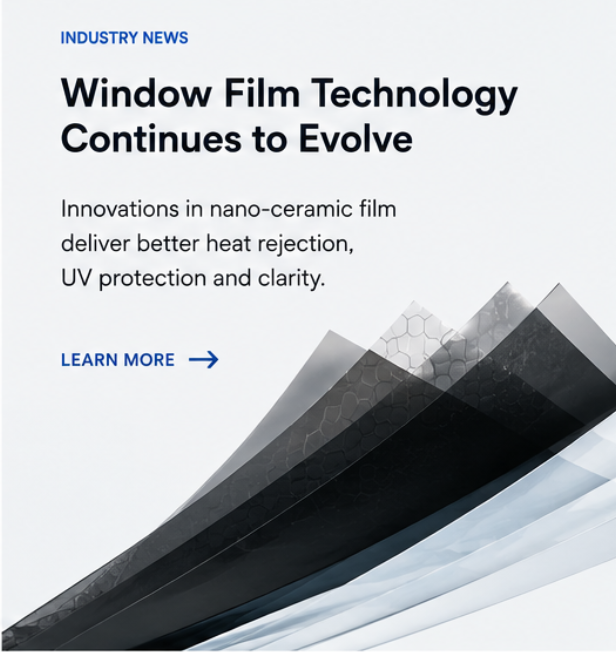
Unlike traditional car tint, modern ceramic window tinting is based on sophisticated nano-material engineering. These advanced films help manage thermal energy before it enters the vehicle, allowing automotive window tint to function as an active heat-control system rather than simply a visual enhancement.
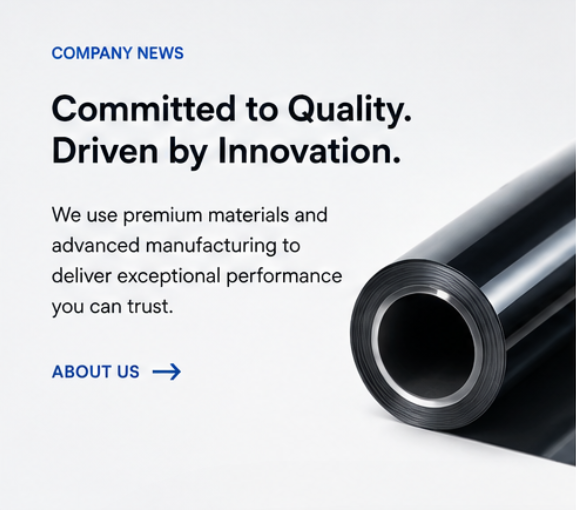
At Aicksn New Materials Technology Co., Ltd., the development of high-performance automotive window tint, premium ceramic window tinting, advanced windshield tint, and next-generation ceramic car tint products is focused on one central goal: reducing heat more efficiently than ever before.
Understanding Thermal Spectrum Engineering
One of the most innovative concepts influencing the future of ceramic window tinting is thermal spectrum engineering.
Most sunlight reaching a vehicle consists of multiple energy bands. Traditional car tint products generally treat sunlight as a single challenge. Advanced ceramic window tinting technologies take a much more sophisticated approach.
Modern automotive window tint products are increasingly engineered to interact with different portions of the solar spectrum independently.
This means premium ceramic window tinting can selectively target heat-producing wavelengths while maintaining excellent visibility. By managing solar energy with greater precision, advanced ceramic car tint products deliver superior thermal performance.
This scientific approach distinguishes premium automotive window tint from basic car tint products and is becoming a major driver of market growth throughout Gulf countries.
Why Cabin Heat Is Becoming a Vehicle Design Challenge
Vehicle architecture is changing rapidly.
Modern vehicles feature larger glass areas, panoramic roofs, digital displays, and open cabin designs. While these innovations improve aesthetics and passenger experience, they also increase solar exposure.
As glass surface area grows, the role of automotive window tint becomes increasingly important.
Manufacturers now recognize that ceramic window tinting can serve as an essential component of thermal management. Advanced windshield tint helps protect the most exposed glass surface, while premium ceramic car tint creates a comprehensive barrier against unwanted heat.
For vehicle owners, the combination of automotive window tint, windshield tint, and ceramic window tinting offers a practical solution to the thermal challenges created by modern vehicle design.
Dynamic Heat Reflection Technology
A particularly exciting area of innovation involves dynamic heat reflection.
Traditional car tint products primarily absorb solar energy. This approach can create limitations because absorbed heat must still be managed.
Next-generation ceramic window tinting technologies increasingly focus on reflecting thermal energy before it enters the glass structure.
Advanced ceramic car tint products are being engineered with specialized nano-ceramic layers capable of redirecting significant amounts of infrared radiation.
This approach enables automotive window tint to function more efficiently under extreme conditions.
For Gulf consumers, where solar intensity remains exceptionally high, reflective ceramic window tinting technologies may represent one of the most important developments in the future of automotive window tint.
Windshield Tint and Front-Cabin Comfort Innovation
The front cabin presents unique thermal challenges.
Large windshields allow substantial sunlight penetration, making windshield tint one of the most important components of a modern automotive window tint system.
Innovation within the windshield tint sector is accelerating rapidly.
Engineers are developing advanced windshield tint products capable of balancing multiple performance requirements:
Infrared control
Optical clarity
Sensor compatibility
Durability
Driver comfort
When integrated with premium ceramic window tinting, these new windshield tint solutions help create a more balanced cabin environment.
The combination of windshield tint, automotive window tint, and ceramic car tint provides significantly greater thermal performance than isolated upgrades.
Ceramic Car Tint and Intelligent Material Design
The future of ceramic car tint is increasingly linked to intelligent material design.
Rather than relying solely on darker shades, advanced ceramic car tint products use highly engineered nano-materials to improve thermal performance.
Researchers developing next-generation ceramic window tinting are exploring:
Multi-phase ceramic structures
Nano-scale particle optimization
Enhanced infrared management
Optical stabilization technologies
Advanced surface treatments
These innovations allow automotive window tint manufacturers to create products that perform more effectively under Gulf climate conditions.
As material science advances, ceramic car tint is becoming a highly specialized engineering product rather than a simple aftermarket film.
Thermal Comfort as a Luxury Feature
Consumer perceptions of automotive window tint continue to evolve.
Luxury vehicle buyers increasingly view thermal comfort as an essential feature rather than a secondary benefit.
For these customers, premium ceramic window tinting serves as a technology upgrade that enhances the overall ownership experience.
Luxury dealerships across the Middle East increasingly offer:
Premium automotive window tint
Full-coverage windshield tint
High-performance ceramic car tint
Advanced ceramic window tinting packages
Customized car tint solutions
This trend demonstrates how automotive window tint is becoming integrated into the premium vehicle ecosystem.
AI-Driven Manufacturing Improves Automotive Window Tint Quality
One of the most significant innovations occurring behind the scenes involves manufacturing itself.
Producing world-class automotive window tint requires extraordinary precision.
At Aicksn New Materials Technology Co., Ltd., advanced manufacturing technologies are helping improve consistency across every roll of automotive window tint.
Artificial intelligence and automated quality systems are increasingly used to monitor:
Film thickness
Coating uniformity
Optical consistency
Surface quality
Ceramic layer distribution
These technologies enable manufacturers to produce more reliable ceramic window tinting, car tint, windshield tint, and ceramic car tint products.
For distributors and installers, consistent quality translates directly into customer satisfaction.
Automotive Window Tint for Commercial Passenger Comfort
Innovation within the automotive window tint sector is not limited to private vehicles.
Commercial transportation operators are becoming major adopters of advanced ceramic window tinting technologies.
Passenger comfort is increasingly important for:
Luxury transportation services
Tourism operators
Corporate fleets
Ride-sharing companies
Executive transportation providers
Premium automotive window tint helps create a more comfortable environment for passengers, while advanced windshield tint contributes to a more pleasant experience for drivers.
The use of ceramic car tint within commercial fleets is expected to grow significantly as operators prioritize passenger satisfaction.
Thermal Analytics and Future Ceramic Window Tinting Development
A growing number of manufacturers are using thermal analytics to improve ceramic window tinting performance.
Advanced testing systems allow engineers to analyze exactly how heat interacts with different automotive window tint structures.
This data-driven approach supports continuous improvement in:
Infrared rejection
Thermal stability
Durability
Optical performance
Climate adaptability
As thermal analytics become more sophisticated, future generations of ceramic car tint and windshield tint products will likely achieve even greater efficiency.
The result will be increasingly advanced automotive window tint systems capable of meeting the evolving needs of Gulf consumers.
Building the Future of Heat-Control Technology
The growing popularity of ceramic window tinting throughout the Gulf region reflects a broader shift toward performance-focused vehicle upgrades.
Consumers are no longer satisfied with basic car tint products that offer limited functionality. Instead, they seek advanced automotive window tint solutions capable of delivering measurable improvements in comfort, efficiency, and driving experience.
Through innovation in material science, manufacturing technology, thermal engineering, and product design, ceramic window tinting continues to redefine what automotive window tint can achieve.
For Aicksn New Materials Technology Co., Ltd., the future lies in developing increasingly advanced automotive window tint, windshield tint, car tint, and ceramic car tint products that help drivers and passengers experience superior comfort under the demanding conditions of the Gulf region. As innovation continues to accelerate, ceramic window tinting will remain at the forefront of heat-management technology, shaping the next generation of automotive protection and comfort.