Car Window Darkening Film: A Guide to Privacy and UV Protection
Automotive window film can change the look of a vehicle while helping manage sunlight, glare, and ultraviolet exposure. For drivers who spend long hours on the road or regularly park outdoors, the right product can contribute to a more comfortable cabin and help protect selected interior materials from sunlight-related deterioration. However, privacy and ultraviolet protection are different performance objectives, and buyers should understand both before selecting a film.
Aicksn New Materials Technology Co., Ltd. can support professional customers by explaining these differences and providing product information that helps installers and distributors choose suitable specifications.
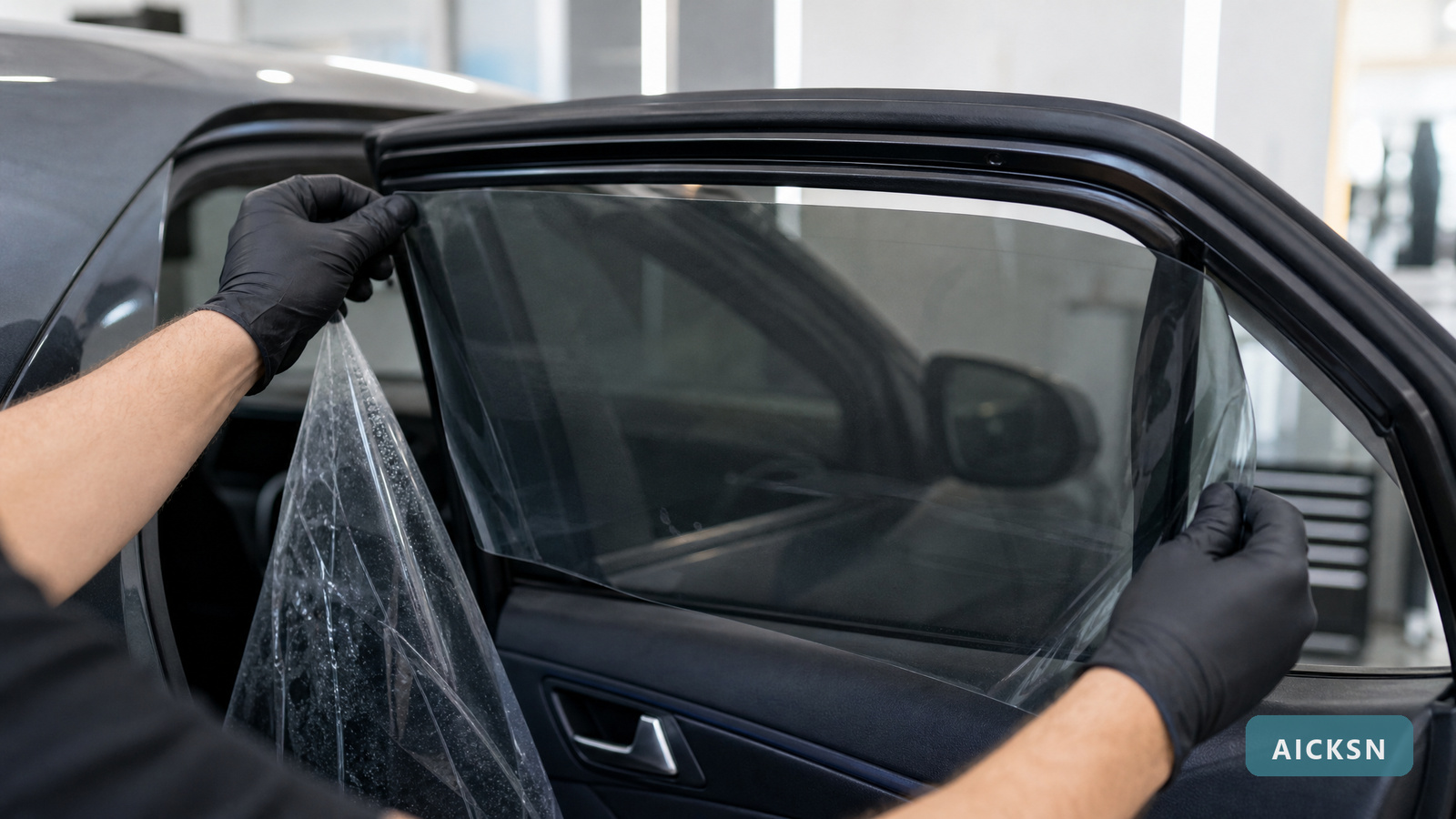
How Car Window Darkening Film Supports Privacy
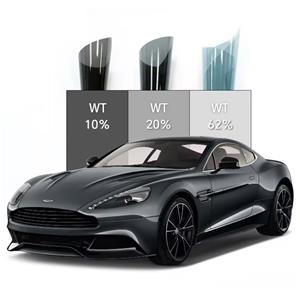
Car window darkening film reduces visible light transmission through vehicle glass. The resulting appearance depends on the film's shade, the original glass, and the viewing conditions. Darker products can make it more difficult to see the cabin from outside during daylight, but privacy is not absolute.
At night, a brightly illuminated interior may remain visible through tinted glass. The level of privacy also depends on the viewing angle, surrounding light, and the difference between interior and exterior brightness.
For this reason, car window darkening film should be selected according to realistic privacy expectations. Drivers should not assume that a very dark shade makes the vehicle completely opaque from every angle or under all lighting conditions.
Visible light transmission, or VLT, provides a useful starting point. Lower VLT generally means less visible light passes through the film-and-glass combination. Nevertheless, the legal limits for front side windows, rear windows, and windshields may differ by jurisdiction.
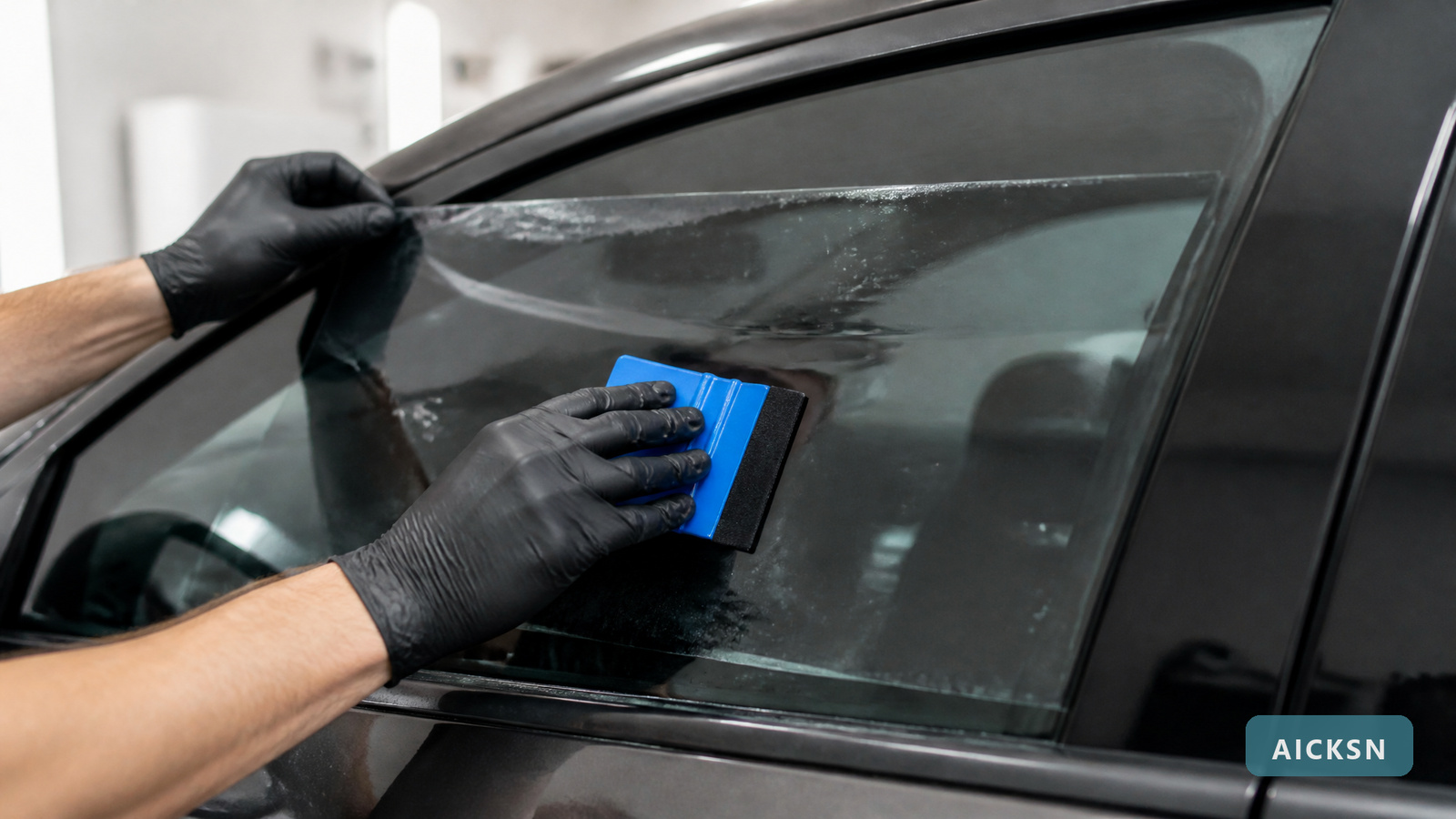
Understanding Ultraviolet Protection
Ultraviolet radiation is commonly divided into UVA and UVB bands. Exposure can contribute to skin damage, while ultraviolet exposure and other environmental factors can contribute to fading or deterioration of vehicle interior materials.
An auto tint film may be designed to block a high proportion of ultraviolet radiation. Buyers should request a documented ultraviolet transmission or rejection value and confirm the wavelength range covered by the test.
It is important to distinguish ultraviolet performance from visible darkness. A light-colored film may provide strong ultraviolet filtering, while a darker film does not automatically offer superior protection. The product's materials and optical design determine its performance.
The original glass also matters. Many automotive windows already filter portions of ultraviolet radiation, and the final result depends on the combined glass-and-film system. Product comparisons should therefore identify the tested configuration.
Privacy and Heat Control Are Different
Drivers sometimes assume that the darkest film will produce the coolest cabin. In reality, visible light transmission and solar heat rejection measure different properties.
Metallic car tint may reflect selected portions of incoming solar energy, depending on its construction. Ceramic films can manage selected wavelengths using nonmetallic materials. Dyed products may focus more heavily on shade and appearance.
A metalized window film may also provide a reflective finish, but its actual heat-control performance should be established through measurements. Buyers should request the relevant infrared and total solar energy data instead of relying on shade or reflectivity alone.
Car window darkening film can contribute to glare management by reducing visible light, yet a very dark product may make it more difficult to see objects at night. The right choice balances privacy, visibility, and solar performance.
Choosing Film for Different Windows
Side and rear windows are often selected for privacy and cabin comfort. Rear-seat passengers may prefer a darker appearance, while drivers may prioritize visibility through the front side windows.
Windshield tint requires special consideration. Any aftermarket windshield film must comply with applicable regulations and maintain the optical clarity required for safe driving. Full-windshield applications and upper sunstrips may be subject to different rules.
Before ordering an auto tint film, buyers should identify the intended glass area, existing factory tint, and applicable legal requirements. A qualified installer can help assess whether the selected shade and product construction are suitable.
Metallic car tint should also be considered in relation to the vehicle's electronic systems. If the film contains metallic layers, buyers should ask about any available testing for GPS, mobile communications, or other relevant signals.
Manufacturing Quality and Product Consistency
Reliable privacy and ultraviolet performance begin with consistent raw materials and controlled production. Variations in colorants, coatings, thickness, or layer structure may affect appearance and measured performance.
A professional quality-control program should check incoming materials, finished-roll appearance, dimensions, and relevant optical characteristics. Depending on the product specification, testing may include visible light transmission, haze, ultraviolet transmission, adhesion, and environmental aging.
A proposed inspection process could measure VLT on representative samples from each production lot and compare the results with an approved specification. Additional samples can be examined for scratches, particles, wrinkles, uneven coloration, and edge damage.
Aicksn can also maintain traceability between material batches, production records, inspection results, and shipment labels. Traceability makes it easier to investigate complaints and helps distributors identify the correct product when placing repeat orders.
These are recommended manufacturing controls. Specific equipment, testing frequencies, and product pass rates should be stated publicly only when confirmed by Aicksn's quality records.
Practical Installation and Care
Even a high-quality film can produce disappointing results if it is installed incorrectly. Dust, oil, moisture, and residue on the glass may cause visible imperfections. Incorrect handling can introduce scratches or damage the film before application.
Installers should follow the manufacturer's cleaning, application, and curing instructions. The glass should be inspected before work begins, and the film should be handled in a way that minimizes contamination.
After installation, owners should observe the recommended curing period and use compatible cleaning products. Abrasive pads and harsh chemicals may damage the surface or shorten the film's service life.
If the film develops persistent discoloration, edge lifting, excessive bubbles, or unusual distortion, the installer should determine whether the cause relates to the product, the glass, environmental conditions, or the installation process.
What Buyers Should Request from Aicksn
Distributors evaluating car window darkening film should request a current technical data sheet, representative samples, roll dimensions, installation instructions, and warranty information. Ultraviolet and solar-performance claims should be supported by appropriate test methods and clearly defined conditions.
For metallic car tint and metalized window film, buyers should also evaluate reflectivity and electronic compatibility where relevant. For windshield tint, regulatory suitability and optical quality deserve priority over privacy claims.
Aicksn New Materials Technology Co., Ltd. can build trust through consistent product identification, documented quality procedures, and responsive technical support. Clear product information helps customers select film according to actual needs instead of assuming that darkness alone determines performance.