Windshield Tint: Key Benefits, Safety, and Legal Considerations
The windshield is one of the most important glass surfaces in any vehicle. It provides the driver's primary forward view while helping protect occupants from wind, debris, and environmental exposure. Adding film to this surface requires more careful evaluation than tinting many other windows because optical clarity, legal compliance, and vehicle-system compatibility directly affect safe driving.
For automotive film suppliers such as Aicksn New Materials Technology Co., Ltd., a clear explanation of windshield film selection can help customers understand why technical specifications matter more than darkness alone.
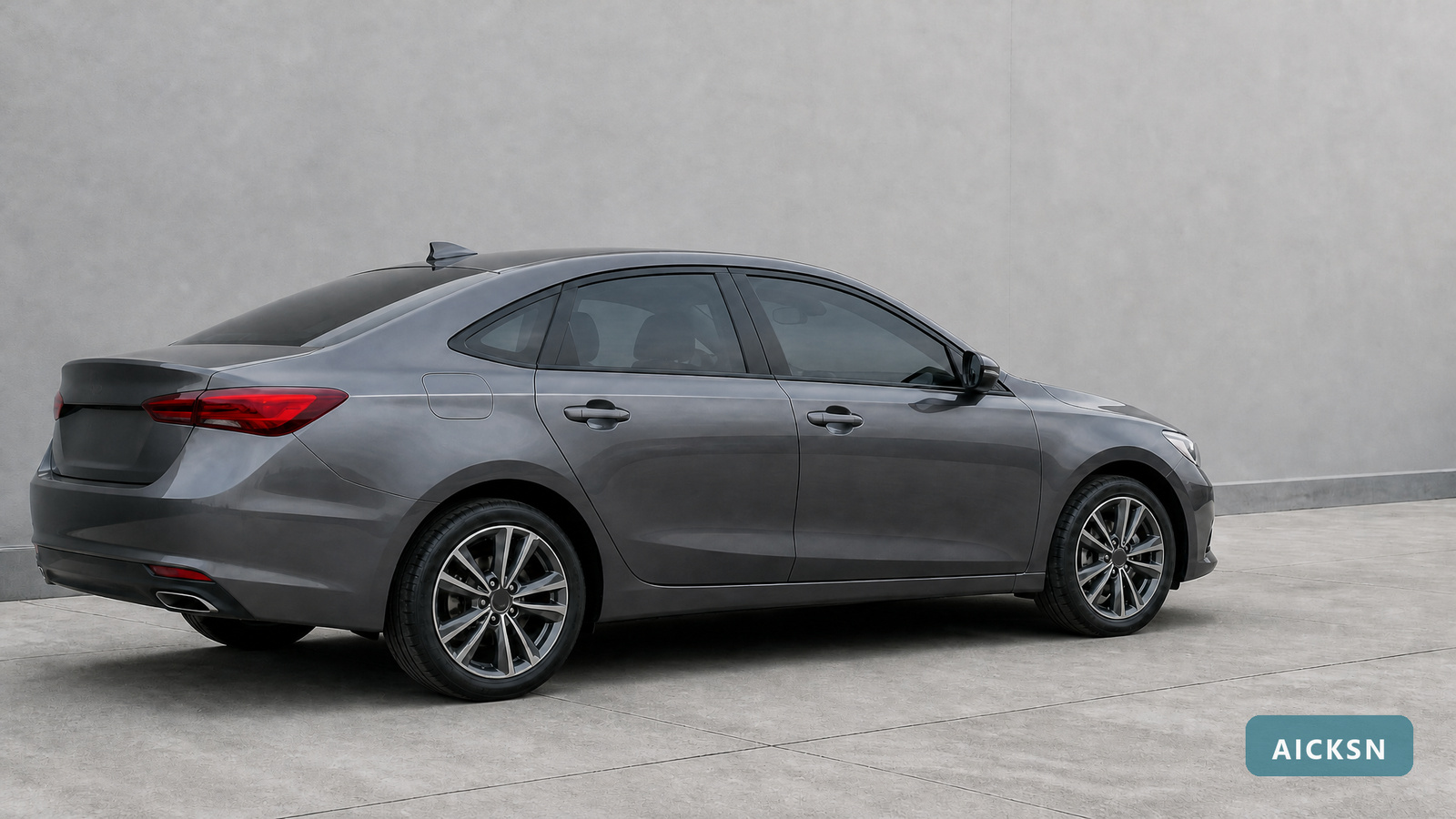
What Is Windshield Tint?
Windshield tint is a film or permitted tinted-glass treatment used to manage selected optical and solar properties of the front windshield. Depending on the product and application, it may reduce glare, filter ultraviolet radiation, or help control solar energy entering the cabin.
The phrase covers several different applications. Some vehicles use factory-treated glazing, while others may receive an aftermarket film on a legally permitted portion of the windshield. A full-windshield application is subject to different restrictions from an upper sunstrip in many jurisdictions.
Before purchasing any windshield tint, the driver or installer should verify the applicable rules. These may specify minimum visible light transmission, permitted placement, reflectivity, approved product types, or restrictions related to driver visibility.
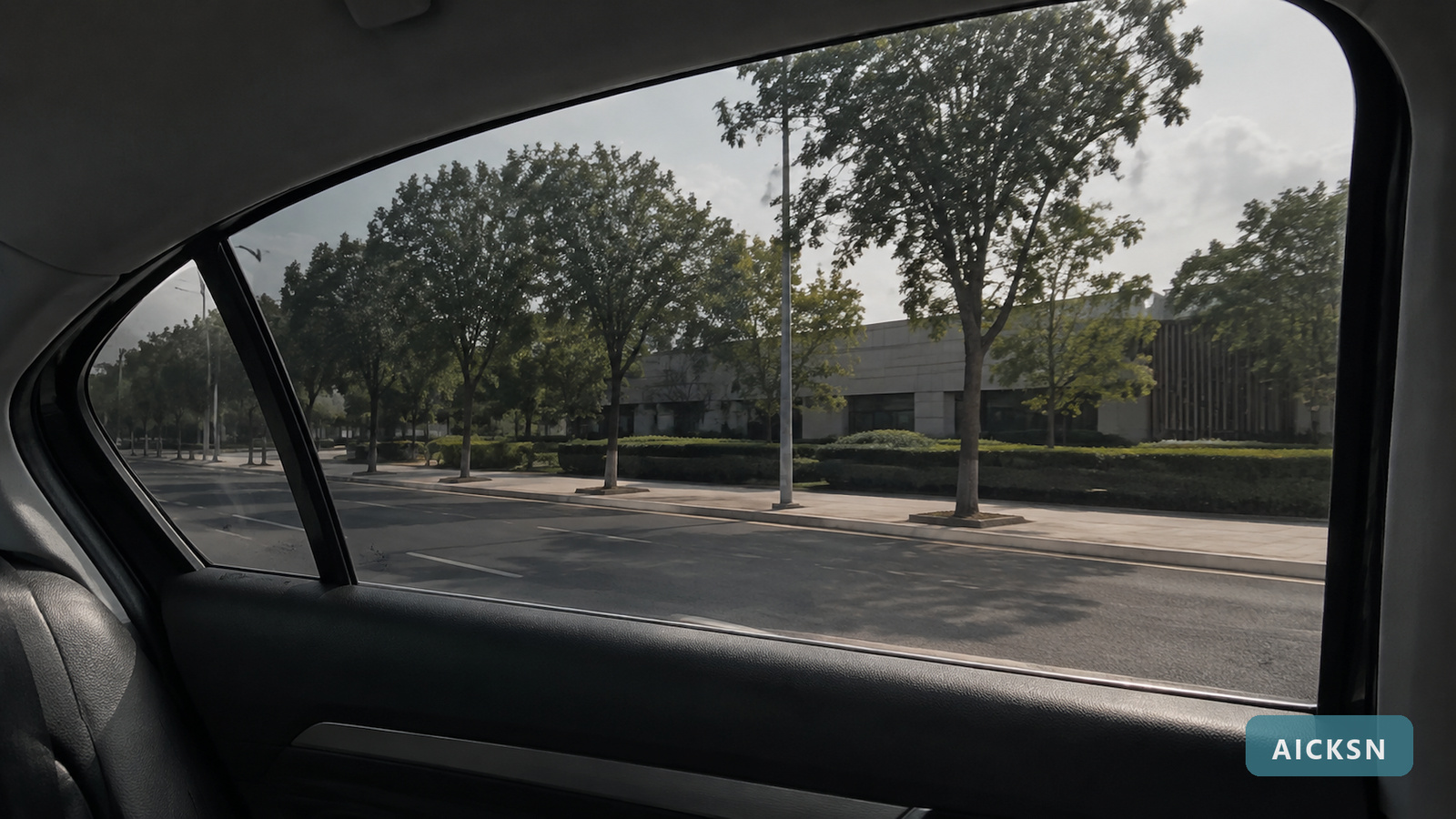
Optical Clarity Comes First
A suitable windshield product must preserve a clear, undistorted view of the road. Haze, uneven coloration, ripples, bubbles, and optical distortion can make it harder to distinguish objects, particularly in bright sunlight or at night.
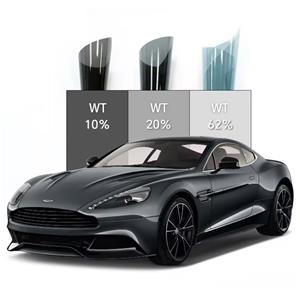
Car window darkening film used on a side or rear window should not automatically be considered suitable for a windshield. The front glass has a different functional role, and the driver relies on it to identify traffic signals, road markings, pedestrians, and unexpected hazards.
An auto tint film intended for windshield applications should have documented optical characteristics. Buyers should ask for relevant data on visible light transmission and haze, along with installation guidance for the particular glass type.
The original windshield also affects the final result. Factory coatings, laminated construction, glass curvature, existing tint, and sensor locations may influence compatibility. A qualified installer should inspect the vehicle before selecting the product.
Understanding Solar Protection
Solar radiation includes visible light, ultraviolet radiation, and infrared radiation. These components interact with glass and film differently, so no single measurement describes every aspect of solar performance.
Ultraviolet rejection is relevant to protecting occupants and reducing exposure that can contribute to fading of interior materials. Infrared performance describes how a product handles a specified portion of infrared radiation. Total solar energy rejection, when measured appropriately, provides a broader indication of solar control.
Buyers should examine the test conditions behind these figures. A high infrared rejection number measured over a narrow wavelength band does not necessarily mean the same product will achieve the highest total solar energy rejection.
Car window darkening film for side windows and windshield tint should therefore be compared using clearly defined metrics. Manufacturers should identify the tested wavelength range, measurement method, and whether the result represents the film alone or the complete film-and-glass system.
How Film Technology Affects Selection
Dyed films generally focus on appearance and visible light transmission. Metallic car tint incorporates metallic materials that can influence reflection and solar performance, depending on the product design.
A metalized window film may offer a reflective appearance and a particular balance of solar transmission and reflection. However, some metallic constructions can affect electronic signals. This is important when the vehicle uses windshield-mounted cameras, GPS antennas, toll systems, or other communication equipment.
Ceramic films use specialized nonmetallic materials and may provide solar-control performance without a strongly reflective appearance. Performance varies by formulation, and the term “ceramic” alone is not a substitute for verified test data.
The most appropriate windshield tint is not necessarily the darkest or most reflective product. It is the product that satisfies applicable regulations, maintains the required optical quality, and suits the vehicle's glass and equipment.
Legal Considerations Before Installation
Window tint regulations vary significantly by country, state, and vehicle category. Some jurisdictions restrict aftermarket film across the main viewing area, while others permit specific applications subject to minimum light transmission or placement requirements.
Drivers should verify current rules with the relevant transport authority before purchasing a film. Installers should not rely solely on general online advice because legal requirements may change and can differ between private cars, commercial vehicles, and specialized vehicles.
Aicksn should provide accurate product specifications and avoid describing a product as universally legal. Compliance depends on the film, the existing glass, the location of installation, and the jurisdiction in which the vehicle is registered or operated.
Where a customer requires documentation, the supplier should identify which test reports and technical records are available. Unsupported claims about universal road legality can create unnecessary risk for distributors and installers.
Quality Requirements for Windshield Film
Windshield applications demand consistent material quality. Relevant characteristics include film thickness, optical uniformity, surface cleanliness, adhesive performance, and resistance to environmental aging.
A practical factory quality program may include inspection of raw materials, controlled coating or processing conditions, dimensional checks, optical testing, and finished-roll examination. Samples can be evaluated for visible defects and measured against product-specific acceptance limits.
For example, a proposed optical inspection procedure could assess haze and light transmission on representative samples from each production lot. The acceptable range should be determined by the actual product specification and the intended application, not by an arbitrary universal target.
Aicksn can also support customers by providing clear installation instructions, storage requirements, cleaning recommendations, and information about suitable curing conditions. These details help reduce avoidable problems caused by contamination or incorrect handling.
Such procedures are recommended quality practices; factory-specific equipment, certification status, and test results must be confirmed before they are used as public claims.
Installation and Aftercare
Proper installation starts with a clean environment and a careful inspection of the glass. Dust, oil, moisture, or residue may cause defects that become visible after application. The installer should use tools and techniques suitable for the film and follow the manufacturer's instructions.
Drivers should follow the recommended curing period before cleaning the glass or operating windows where applicable. Cleaning products containing abrasive materials or unsuitable chemicals may damage the film surface. A soft cloth and a compatible cleaner are generally preferable, subject to the product's instructions.
If the film develops persistent bubbles, edge lifting, unusual distortion, or discoloration, the owner should contact the installer for assessment. Some moisture-related visual effects can occur during curing, but their expected duration depends on the product and installation conditions.
Choosing a Reliable Supplier
Buyers should compare windshield tint products through current technical data sheets, sample evaluation, test reports, and clear warranty terms. They should also confirm packaging, roll dimensions, traceability, and the supplier's process for handling quality complaints.
Metallic car tint and metalized window film may be appropriate for selected applications, but their reflectivity and electronic compatibility need evaluation. Car window darkening film should be chosen according to the particular window and local legal requirements rather than applied identically throughout the vehicle.
Aicksn New Materials Technology Co., Ltd. can support professional customers by providing transparent specifications and consistent product identification. In windshield applications, trustworthy technical information is especially important because performance and safety cannot be judged by appearance alone.