Windshield Tint: How It Improves Comfort and Heat Control
Windshield tint requires more technical consideration than ordinary rear-window film because the windshield directly affects forward visibility. A film that performs well on rear glass may not be appropriate for the windshield. The selection must consider visible light transmission, optical clarity, glare, solar control, installation quality, and local regulations.
For Aicksn New Materials Technology Co., Ltd., windshield applications represent a product category where technical specifications matter more than visual darkness.
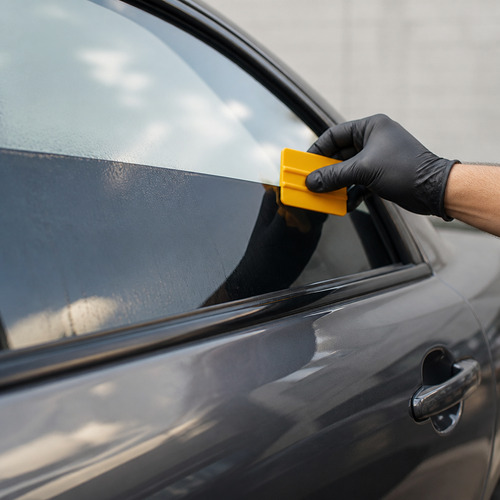
Why Windshield Film Is Different
The windshield is part of the driver's primary field of vision. Even a small reduction in optical quality can become noticeable when the driver is looking through the film for long periods.
This is why a windshield tint is generally selected at a much higher VLT than a dark rear-window film. The exact legal requirement depends on the jurisdiction and the vehicle.
For example, Australian vehicle guidance commonly requires a minimum 70% VLT for the windshield, subject to specific rules and vehicle conditions. In Japan, automotive film standards also address visible-light transmission, and industry guidance emphasizes that the relevant measurement is the combined glass-and-film result rather than the film alone.
Therefore, the product name alone cannot determine whether a windshield application is compliant.
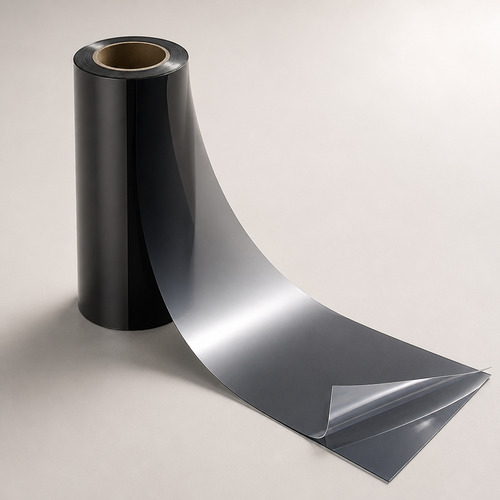
Comfort Without Excessive Darkness
A windshield tint can be designed to reduce solar exposure without producing an obviously dark appearance. This is especially useful for drivers who want cabin comfort while maintaining a bright forward view.
Solar-control performance can involve several mechanisms. The film may absorb or reflect portions of solar radiation, reducing the energy transmitted through the glass. A technical specification can then report VLT, TSER, UV protection, and infrared-related measurements.
These values should be read together. A film with high infrared rejection is not automatically equivalent to a film with high total solar energy rejection because the metrics measure different parts of solar radiation.
Published automotive film data illustrates this distinction by listing VLT, total solar energy rejection, infrared energy rejection, UV protection, glare reduction, and reflectance as separate parameters.
Optical Clarity Is a Manufacturing Issue
A premium windshield tint should not only have the correct VLT. It should also be optically uniform.
Potential quality concerns include:
uneven coating
haze
scratches
contamination
color variation
distortion
inconsistent adhesive
edge lifting
JIS S 3107 requires automotive film to maintain transparency and uniformity and specifies that visible-light transmission be evaluated using defined test procedures. Its appearance requirements address contamination, bubbles, streaks, scratches, and foreign matter.
For a manufacturer, these requirements translate into practical inspection procedures.
Aicksn can use controlled sampling to check film appearance and optical properties before shipment. A factory QC sheet can record batch identification, measured VLT, dimensions, appearance results, and other required specifications.
Windshield Tint and Glare
Glare is another reason drivers consider film. Strong sunlight reflecting from road surfaces, buildings, or surrounding vehicles can create visual discomfort.
Glare reduction is normally related to visible light transmission and film optical properties. Published automotive film specifications demonstrate that glare reduction can be measured independently; darker films often show higher glare reduction, but this does not mean that the darkest film is suitable for a windshield.
The objective is controlled performance rather than maximum darkness.
How Windshield Film Relates to Auto Window Film
The term auto window film covers a wide range of products, but not every product should be applied to every window.
A rear-window film can prioritize privacy and dark appearance. A front-side film may need higher VLT. A windshield product generally requires even more attention to optical clarity and legal transmission requirements.
A professional supplier should therefore offer product specifications that identify the intended application.
For distributors purchasing from Aicksn, this makes product segmentation more practical. Instead of selling one film for every window, product ranges can be organized according to shade, optical properties, construction, and intended installation position.
Combining Film With Original Glass
Original automotive glass is not always completely clear. Factory glass may already contain a tint or solar-control treatment.
The final VLT is determined by the combination of the original glass and applied film. Industry guidance in Japan specifically warns that a film that appears to meet a VLT requirement by itself may result in a lower transmission value after installation on tinted glass.
This is why installers should measure the completed window when compliance is important.
Aicksn can support this process by clearly identifying nominal film VLT and test conditions in product documentation.
Factory Data That Supports Buyer Confidence
For international buyers, useful technical documentation can include:
VLT measurement
UV transmission or rejection
TSER
infrared-related performance
visible reflectance
film thickness
roll dimensions
adhesive specifications
environmental resistance
appearance inspection criteria
The exact test method should accompany each numerical claim because film performance varies with glass type and measurement conditions. Published manufacturers' data also notes that actual performance can vary according to glass properties and other factors.
This approach is more informative than using a single "heat rejection" percentage.
For Aicksn, a windshield tint product can therefore be presented as a precision optical material: controlled transmission, consistent surface quality, stable adhesive performance, and documented production inspection.