PPF Wrap Explained: Benefits, Materials, and Care Tips
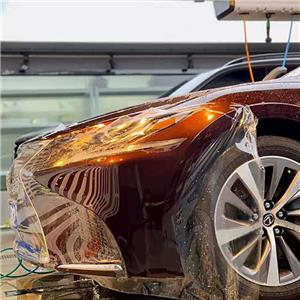
Paint protection film has become an important technology in the automotive aftermarket because vehicle owners increasingly want to preserve original paint while maintaining a premium appearance. A modern PPF wrap can provide a protective layer without requiring permanent changes to the vehicle.
Unlike a chrome wrap, carbon wrap, or matte wrap, whose primary role is usually visual transformation, PPF is engineered around surface protection.
For owners considering a full-body car wrap, understanding these differences makes it easier to select the right material for each vehicle.
What Is a PPF Wrap?
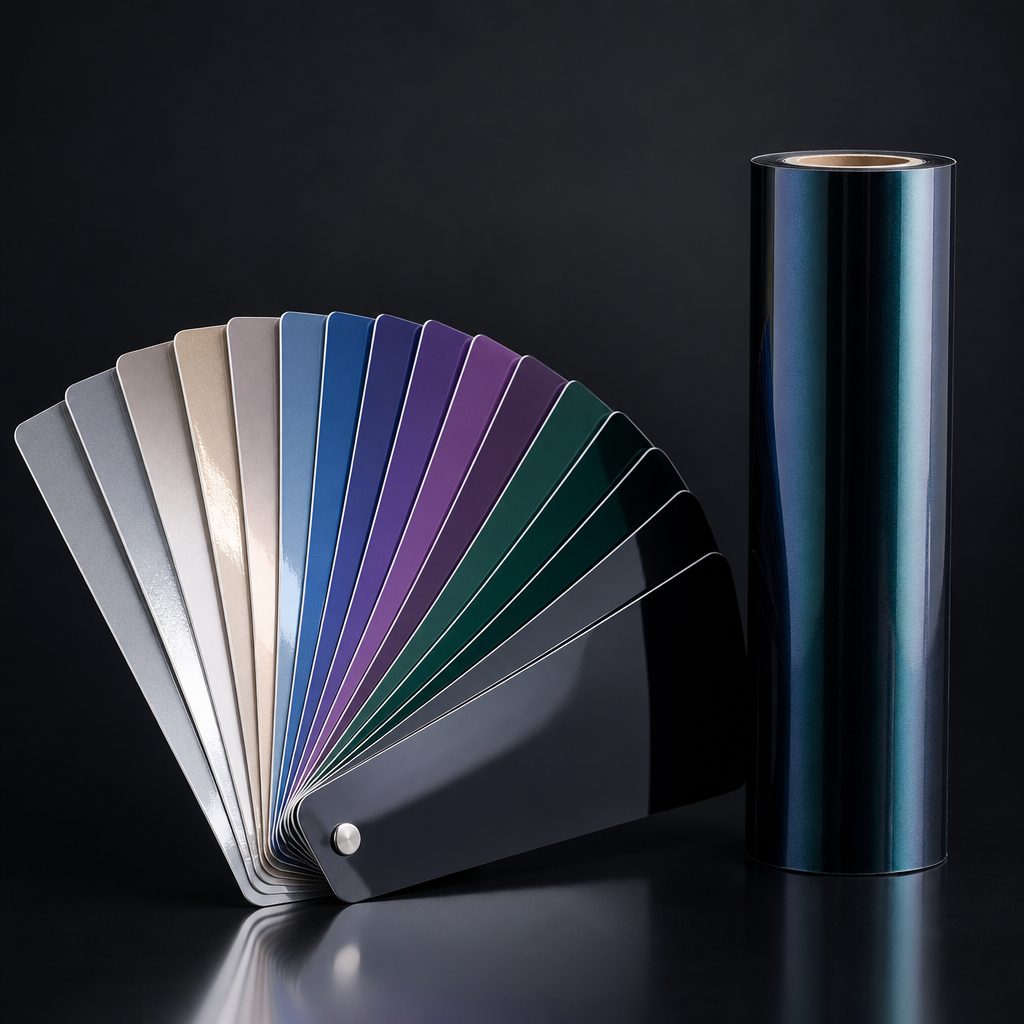
A PPF wrap is a protective film installed over painted automotive surfaces. Modern products can contain several functional layers, with each layer contributing to appearance, adhesion, protection, flexibility, or installation performance.
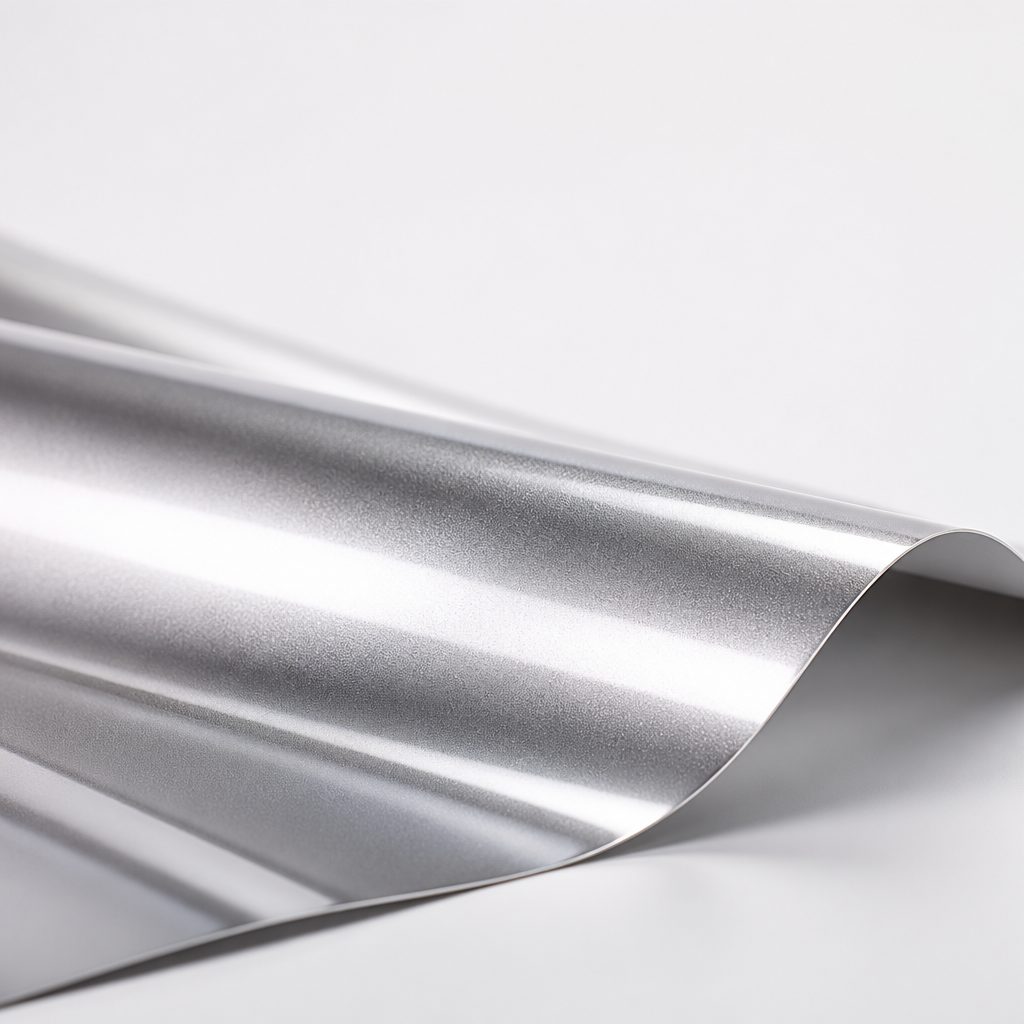
Aicksn's published satin PPF information describes a multilayer laminate designed to resist scratches, stains, UV exposure, chemicals, and everyday abrasions. It also describes self-healing behavior for light surface marks and high conformability for complex panels.
This layered approach is important because automotive protection is not created by one material property alone.
 、
、
Why Multilayer Construction Matters
A good PPF system balances several requirements.
The top surface needs to provide resistance to scratches and contamination. The polymer layer must provide flexibility and mechanical strength. The adhesive needs to provide reliable attachment while supporting appropriate removal. The liner protects the adhesive before installation.
Aicksn describes these functional characteristics as part of its PPF engineering approach.
This is one reason professional buyers should look beyond appearance when comparing film suppliers.
PPF Wrap vs Chrome Wrap
A PPF wrap and a chrome wrap solve different problems.
PPF is normally selected when the customer wants to preserve the underlying paint. Chrome is selected when the customer wants a dramatic new appearance.
Chrome film reflects light strongly, making it suitable for show vehicles and attention-grabbing designs. PPF, particularly clear PPF, is intended to remain visually discreet.
There are also satin and matte PPF products that provide both protection and appearance modification.
PPF Wrap vs Carbon Wrap
A carbon wrap is primarily a styling material.
Carbon patterns can reproduce the appearance of woven composite structures and are commonly used to create a technical or motorsport-inspired aesthetic.
PPF, by contrast, places more emphasis on protection.
However, both materials benefit from high conformability. Automotive panels contain curves and recesses, so a film must adapt to the surface without producing unacceptable wrinkles or distortion.
PPF Wrap vs Matte Wrap
A matte wrap changes the surface appearance by reducing reflection. A matte PPF can go further by combining a low-reflection appearance with protection-oriented construction.
Aicksn's satin PPF product is described as providing a matte texture while retaining color depth, with a multilayer structure designed for protection and durability.
This can be attractive for owners who want a factory-color transformation without losing the protective function of PPF.
Can PPF Be Used on the Whole Vehicle?
Yes, a full-body car wrap approach can be applied when the objective is comprehensive coverage.
Full-vehicle PPF requires careful planning because different panels have different shapes and levels of exposure. High-impact zones such as front bumpers, hoods, fenders, and mirrors may receive particular attention.
Installation quality is critical. The Australian vehicle body-film training standard requires installers to inspect film quality, assess vehicle surfaces, measure panels, prepare patterns, apply material according to supplier procedures, and conduct a final inspection.
Factory Quality Behind PPF
Aicksn's manufacturing information indicates that its automotive film production includes raw material evaluation, production management, surface processing, and final inspection.
Its product information also references ISO 9001 and SGS certification and a dedicated quality inspection center.
These controls matter because PPF performance can be affected by film thickness, surface consistency, adhesive formulation, polymer stability, and coating uniformity.
A factory that controls these variables systematically has a stronger foundation for consistent output.
Aicksn's PPF Technology
Aicksn's satin PPF information highlights several performance characteristics, including self-healing of light scratches, high conformability, resistance to scratches and stains, and long-term optical stability.
For professional installers, conformability is especially important. A film that performs well on a flat test panel may behave differently on a curved bumper or mirror.
Aicksn therefore positions its PPF products around a combination of material technology and installation practicality.
Maintenance Matters
Even a high-quality PPF wrap needs appropriate care.
Regular washing helps remove contaminants before they remain on the film surface for long periods. Harsh chemicals and aggressive mechanical cleaning should be avoided unless specifically approved for the product.
Matte and satin surfaces deserve particular attention because polishing techniques intended for glossy paint can alter the surface appearance.
For any PPF system, customers should follow the product supplier's cleaning and maintenance recommendations.
How to Select the Right Film
Use PPF wrap when paint preservation is the priority.
Use chrome wrap when dramatic reflection is the main design objective.
Use carbon wrap when a technical pattern is desired.
Use matte wrap when a low-reflection appearance is preferred.
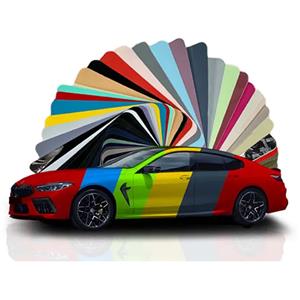
Choose a full-body car wrap when the goal is to create consistent coverage across most of the vehicle.
For distributors and professional wrapping studios, Aicksn provides a broader automotive film portfolio rather than a single-purpose product line. Its published range includes PPF, color-change film, matte products, and other automotive protection solutions.
That product diversity makes it easier to match material technology to the actual needs of different vehicle projects.