Full-Body Car Wrap: What Does It Really Protect?
A vehicle's exterior faces thousands of small environmental challenges every day. Dust, road debris, sunlight, rain, chemicals, insects, and repeated washing can gradually affect the appearance of painted surfaces. This is why many vehicle owners consider a full-body car wrap not only as a styling solution but also as an additional surface layer.
However, protection varies according to film type. A PPF wrap is specifically associated with paint protection, while a decorative chrome wrap, carbon wrap, or matte wrap may provide a different balance between appearance and surface shielding.
Understanding the difference is essential before investing in a complete vehicle project.
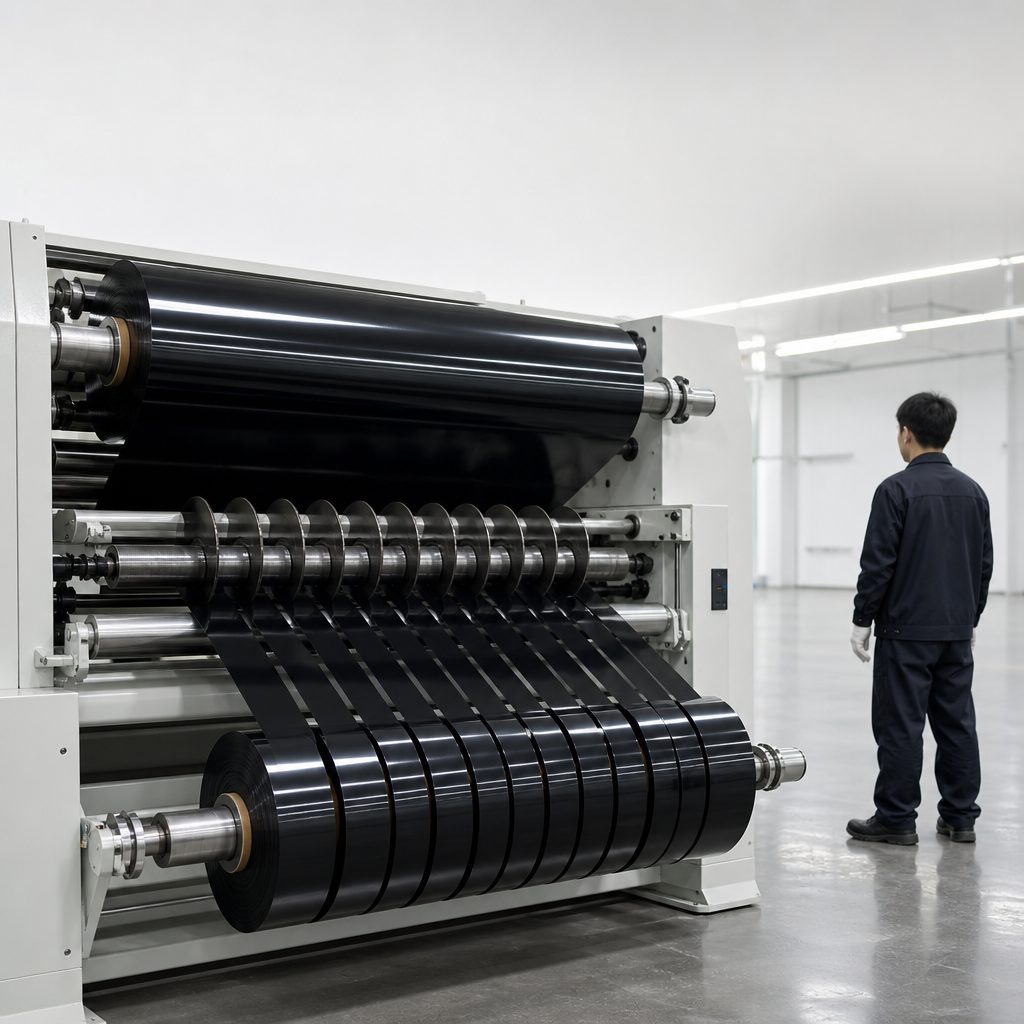
What a Full-Body Car Wrap Covers
A full-body car wrap normally means applying film across the major exterior painted panels of a vehicle. Depending on the installation package, this can include the hood, roof, doors, fenders, quarter panels, bumpers, mirrors, and other accessible painted areas.
The goal is visual continuity.
A full installation also creates a secondary surface between the original paint and many everyday contaminants. However, the level of protection depends heavily on the film's construction.
Decorative vinyl can help shield paint from normal environmental exposure, but it should not automatically be treated as equivalent to dedicated paint protection film.
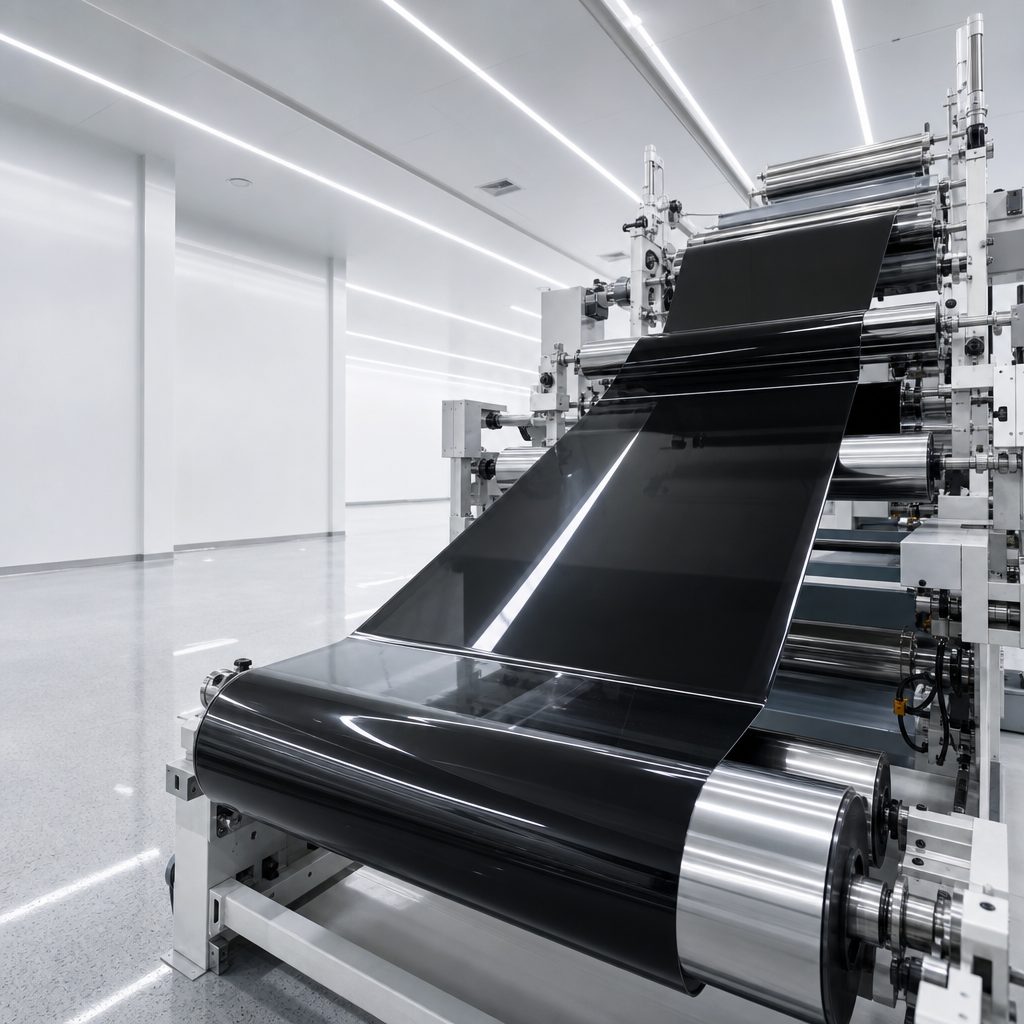
PPF Wrap: Protection First
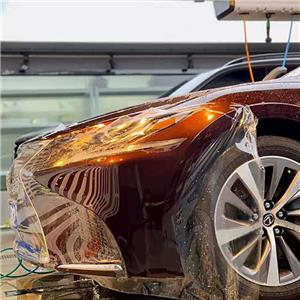
A PPF wrap is designed specifically around protection.
Aicksn's published PPF information describes multilayer construction, scratch resistance, stain resistance, UV protection, chemical resistance, self-healing behavior, and high conformability.
These characteristics make PPF particularly relevant to drivers who prioritize preservation of the original paint.
The top layer is especially important. A protective surface needs to withstand contact with contaminants while maintaining optical and visual stability. Adhesive performance is equally important because the film must remain attached without damaging the substrate when correctly installed and removed.
Can Decorative Film Protect Paint?
A chrome wrap, carbon wrap, or matte wrap can act as a physical barrier over the paint, but the primary purpose of these products is generally appearance.
For example, Aicksn's matte black product information describes the film as an additional protective layer against environmental exposure while also emphasizing its appearance and application characteristics.
This makes decorative film attractive for owners who want a reversible visual transformation with some additional surface shielding.
Nevertheless, customers should understand the difference between protection-oriented PPF and color-change film.
How Matte Wrap Changes the Protection Conversation
A matte wrap can make a vehicle look completely different without requiring permanent repainting.
The low-reflection surface emphasizes body contours and reduces the visual prominence of minor surface irregularities. Aicksn's published matte black film uses five functional layers, including a scratch-resistant topcoat and reinforced core.
The company's published specifications also describe high flexibility and stretching capability, which can help installers manage complex automotive contours.
For a full installation, material behavior is particularly important. Large panels require consistent adhesion and controlled stretching. If the film is difficult to manipulate, installation time increases and the risk of visible defects can rise.
Carbon Wrap for Targeted Protection and Styling
A carbon wrap is often used selectively.
A hood, roof, spoiler, mirror, or side skirt can be visually emphasized with carbon texture. Because these areas are frequently exposed to road debris and everyday contact, an additional film layer can provide useful surface shielding.
The main advantage, however, is design.
Carbon texture creates a visual connection to motorsport and advanced composite materials. It can also be combined with matte, gloss, or solid-color films to create contrast.
Chrome Wrap and Surface Appearance
A chrome wrap can create one of the most dramatic changes available through automotive film.
Its reflective surface transforms the vehicle's appearance, but that same reflectivity makes installation quality extremely important. Uneven surfaces, contamination, wrinkles, or poor edge finishing can become more visible.
A full-body chrome project should therefore be approached as a precision installation rather than a simple color replacement.
Professional vehicle-film standards emphasize material inspection, surface preparation, accurate measurements, controlled application, and final quality inspection.
The Factory Behind the Film Matters
A full vehicle project can require substantial material, which means batch consistency becomes important.
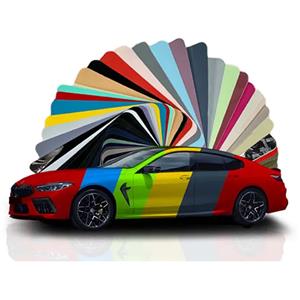
Aicksn's published color-change film information lists more than 300 colors and finishes, a standard roll dimension of 1.52 m × 17 m, large quantities in stock, and stated delivery times of less than seven days.
The company also references ISO 9001 and SGS certification and a product quality inspection center.
These are meaningful manufacturing indicators because professional installers need predictable supply and consistent film behavior.
Aicksn's manufacturing process covers material evaluation, film production, surface treatment, and final inspection, according to its published company information.
How Much Protection Should You Expect?
A full-body car wrap should not be described as an invisible force field. No film eliminates every form of damage.
Instead, it adds a controlled material layer between the original paint and the environment. The exact benefit depends on the film construction, installation quality, vehicle usage, and maintenance.
A dedicated PPF wrap should be considered when impact and paint preservation are the main objectives. A decorative wrap becomes more appropriate when the owner wants appearance transformation plus an additional surface layer.
Installation Determines the Final Result
Even excellent film cannot compensate for poor installation.
The vehicle must be thoroughly cleaned. Contamination needs to be removed from the surface. Panels must be evaluated before application. Film must be measured and positioned correctly, and edges need appropriate finishing.
The Australian training framework for vehicle body film specifically identifies surface assessment, material quality inspection, measurement, pattern development, application, and final inspection as essential steps.
This is why professional film production and professional installation should be considered together.
A Better Way to Choose
If protection is the priority, investigate PPF wrap.
If visual drama is the goal, consider chrome wrap.
If technical texture is desired, carbon wrap is a strong option.
If understated styling is preferred, choose matte wrap.
If the objective is a complete exterior transformation, a full-body car wrap provides the broadest coverage.
Aicksn's combination of multiple film technologies, documented quality systems, broad color selection, multilayer construction, and production capacity allows professional installers to select materials according to the specific purpose of each project.