PPF Wrap, Chrome Wrap and Matte Wrap: A Material Comparison
Automotive film terminology can be confusing because different products may appear similar in photographs while serving completely different purposes. PPF wrap, chrome wrap, carbon wrap, and matte wrap all modify the surface of a vehicle, but their engineering priorities are not the same.
For projects involving a full-body car wrap, understanding those differences can help vehicle owners, distributors, and professional installers make better material decisions.
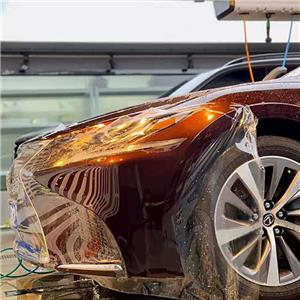
PPF Wrap: Protection-Oriented Film
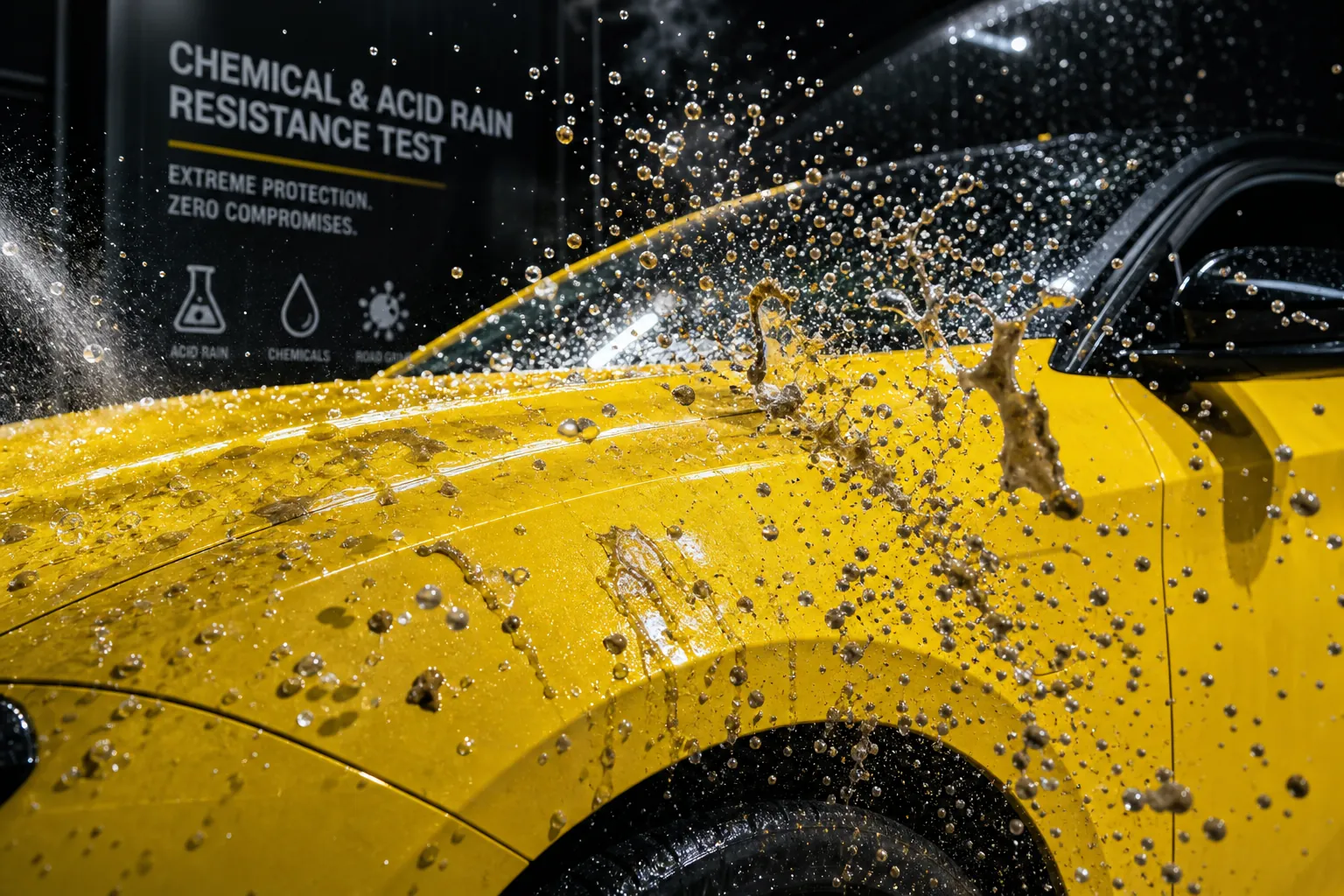
The defining purpose of a PPF wrap is surface protection.
Aicksn's published PPF products are described as multilayer systems designed to resist scratches, stains, UV exposure, chemicals, and abrasions. The company also describes self-healing characteristics and high conformability.
These features distinguish PPF from ordinary decorative vinyl.
The film is expected to protect the substrate while maintaining an acceptable appearance.
Chrome Wrap: Visual Impact
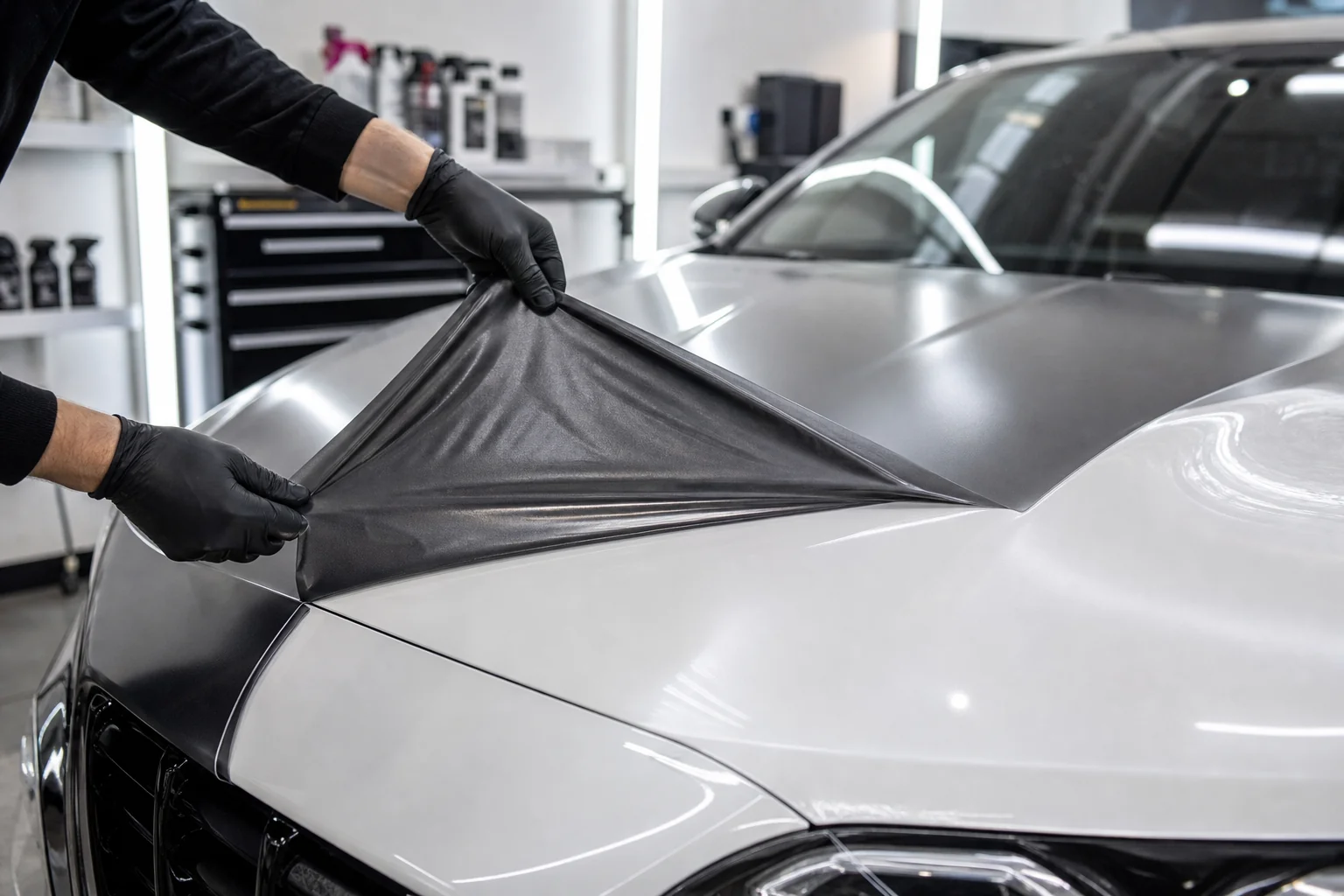
A chrome wrap is designed primarily to change the visual appearance of a vehicle.
Its reflective surface can create a mirror-like or metallic effect.
This makes chrome particularly suitable for show cars, promotional vehicles, and dramatic styling projects.
However, reflective finishes require careful installation because imperfections can become more noticeable.
Carbon Wrap: Texture
A carbon wrap uses a patterned appearance to imitate carbon-fiber styling.
Its main attraction is texture rather than reflection.
Carbon is useful for creating motorsport character on hoods, roofs, mirror caps, spoilers, and interior trim.
It can also be combined with other finishes for a layered visual design.
Matte Wrap: Low Reflection
A matte wrap creates a low-reflection surface.
It changes the appearance of the vehicle without introducing a highly visible pattern.
Aicksn's matte black film is described as a five-layer structure with a scratch-resistant topcoat, color layer, reinforced core, adhesive, and liner.
The company also states that this film can stretch up to three times its original size under suitable conditions.
Comparing Their Main Purposes
The four technologies can be summarized simply.
PPF wrap: protection.
Chrome wrap: reflection.
Carbon wrap: texture.
Matte wrap: low reflection.
This does not mean each product has only one function.
Decorative films can provide an additional surface layer, while some PPF products can create matte or satin appearances.
The key is to identify the primary engineering objective.
Which One Is Best for a Full-Body Car Wrap?
A full-body car wrap is a coverage strategy rather than a specific film type.
A complete vehicle can be wrapped with color-change vinyl, matte material, carbon-pattern film, or another compatible automotive film.
Full-body PPF is also possible when the primary objective is protection.
The choice depends on what the customer wants to achieve.
How Factory Technology Influences the Result
Film performance depends heavily on manufacturing consistency.
Aicksn's published manufacturing information describes raw material evaluation, production management, surface processing, and final inspection.
Its product information references ISO 9001 and SGS certification, advanced manufacturing machinery, and a product quality inspection center.
These systems help control the variables that influence finished film quality.
Aicksn's Color and Finish Range
For professional installers, product choice is another important consideration.
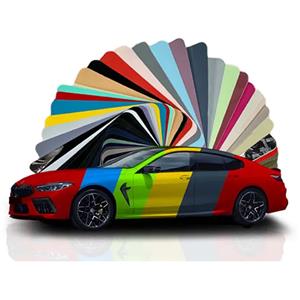
Aicksn states that its color-change film portfolio includes more than 300 colors and finishes.
This range allows businesses to serve customers seeking conservative colors as well as more distinctive finishes.
The company also publishes roll dimensions of 1.52 m × 17 m for one of its color-change products.
Why Roll Dimensions Matter
A vehicle is not wrapped with a single piece of material.
Film is measured and cut according to individual panels.
Roll width influences whether a particular panel can be covered efficiently and how much material waste may occur.
For large projects, predictable roll dimensions help installers plan inventory.
Adhesive Performance
Adhesive is one of the least visible but most important parts of a film.
The adhesive needs to provide stable attachment while supporting appropriate application and removal.
Aicksn's published color-change film information describes a calibrated adhesive system and a clean-removal approach intended to preserve the underlying paint.
This can be important for vehicle owners who want a reversible exterior transformation.
Installation Standards
Film quality and installation quality are closely connected.
Professional application requires the installer to inspect the vehicle, clean the substrate, assess the film, measure panels, produce patterns, apply the film correctly, and perform a final inspection.
This workflow applies whether the installer is handling PPF wrap, chrome wrap, carbon wrap, or matte wrap.
Selecting According to Customer Needs
A vehicle owner who has just purchased an expensive new car may prioritize PPF.
A performance enthusiast may choose carbon.
A show-car owner may choose chrome.
An executive vehicle owner may prefer matte.
A fleet operator may choose a full-body color-change solution.
There is no universal winner because the products solve different problems.
Why Aicksn Is Suitable for Multiple Applications
Aicksn's automotive film portfolio covers protection-oriented products and decorative vehicle films. Its published information highlights broad finish selection, multilayer constructions, manufacturing controls, quality inspection, stock availability, and international automotive film applications.
For professional wrapping businesses, this variety can reduce the need to treat every vehicle project as the same type of job.