How to Choose Between Carbon Wrap and Matte Wrap
Vehicle wrapping has moved beyond simple color changes. Today, drivers can choose films according to texture, light reflection, protection requirements, maintenance expectations, and the personality they want their vehicle to express. Two especially popular choices are carbon wrap and matte wrap.
Both can produce a premium appearance, but they create completely different visual experiences. A carbon wrap emphasizes texture and technical styling, while a matte wrap emphasizes shape and understated elegance. Drivers may also compare these options with PPF wrap, chrome wrap, or a complete full-body car wrap before making a final decision.

Understanding Carbon Wrap
The defining characteristic of carbon wrap is its patterned surface. Carbon-fiber-inspired textures create the impression of woven composite material and are strongly associated with motorsport and performance engineering.
A carbon pattern can be used on an entire vehicle, but it is often more effective when applied strategically. A hood, roof, mirror cap, spoiler, or interior trim section can gain a performance-oriented character without changing the entire vehicle.
The visual advantage comes from texture. Light does not simply reflect from the surface; it interacts with the pattern, producing subtle changes as the viewing angle changes.
For installers, however, texture introduces an additional quality-control requirement. Pattern alignment matters. If a carbon pattern becomes visibly inconsistent between adjacent panels, the finished vehicle can look less refined.
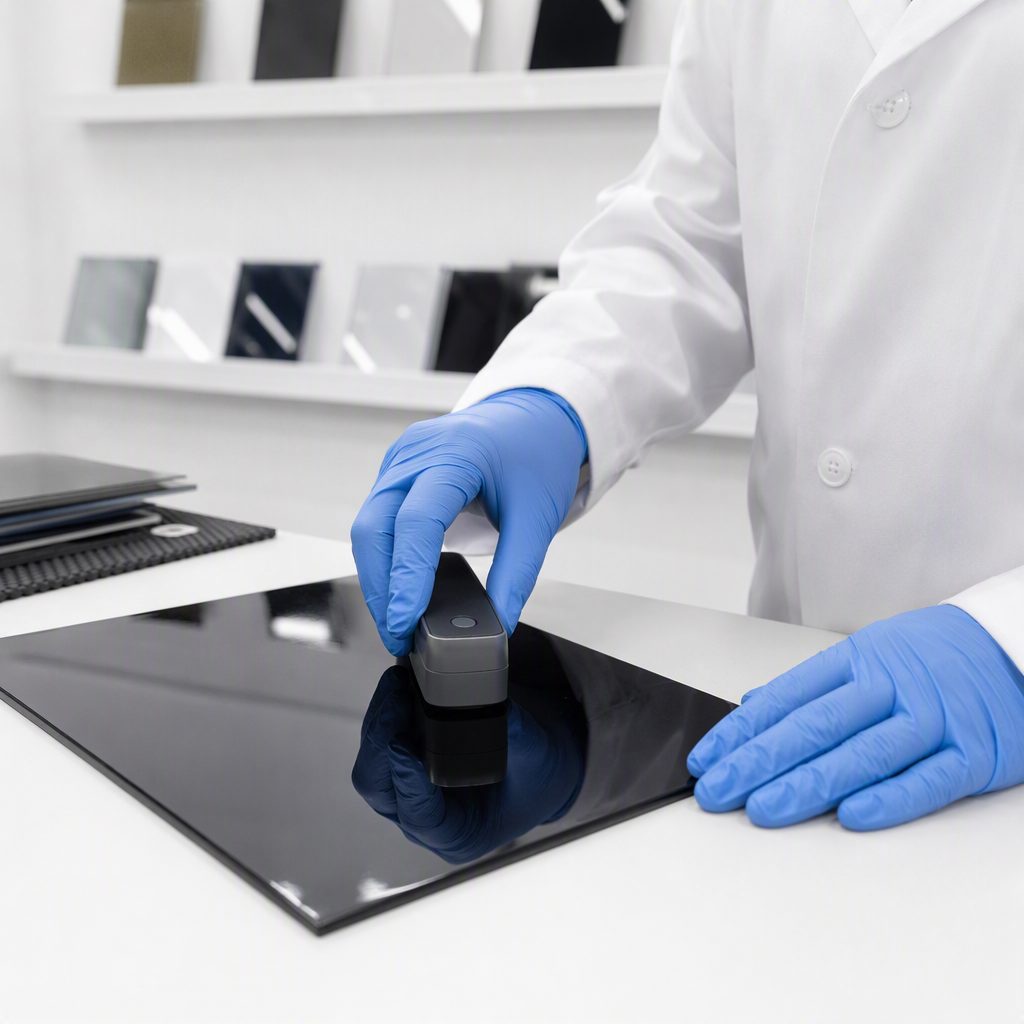
Understanding Matte Wrap
A matte wrap creates a different effect. Instead of introducing a visible pattern, it changes the way light is reflected from the surface.
Matte black is particularly popular because it gives a vehicle a powerful appearance without the high reflection associated with gloss finishes. Satin finishes sit between gloss and matte and can provide a softer transition for customers who do not want a completely flat appearance.
Aicksn's published matte black film uses a five-layer construction incorporating a scratch-resistant topcoat, color layer, reinforced core, adhesive, and liner. The company also states that the film can stretch up to three times its original size under suitable installation conditions.
That type of flexibility is valuable because modern vehicle panels contain complex curves that require controlled stretching.
Carbon Wrap vs Matte Wrap: Appearance
The easiest way to compare carbon wrap and matte wrap is to look at what each does with visual information.
Carbon film adds information through texture. The viewer sees a pattern, depth, and technical character.
Matte film removes visual distraction by reducing surface reflection. The viewer notices the vehicle's shape, edges, wheel design, and body proportions more strongly.
This means carbon is often suitable for performance-oriented projects, while matte can work particularly well for luxury SUVs, executive vehicles, sports cars, and minimalist designs.
Neither is universally better.
What About PPF Wrap?
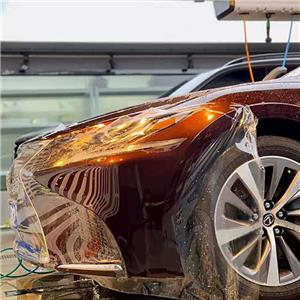
A PPF wrap serves a different primary purpose. It is engineered to protect the underlying paint rather than simply create a decorative finish.
Aicksn's PPF information describes scratch resistance, stain resistance, UV resistance, chemical resistance, high conformability, and self-healing characteristics for its satin PPF products.
This distinction is important for buyers. If the priority is maintaining original paint, PPF is usually the logical starting point. If the priority is changing the appearance, decorative film becomes more relevant.
Some projects can also combine appearance and protection strategies, depending on material compatibility and installation recommendations.
Where Chrome Wrap Fits
A chrome wrap is designed for maximum visual attention. Its reflective surface can make a vehicle look dramatically different under sunlight, showroom lighting, or nighttime illumination.
Compared with carbon and matte products, chrome is generally less subtle. That can be a major advantage for show vehicles, promotional vehicles, or customers who want an unmistakable appearance.
The trade-off is that reflective surfaces can reveal imperfections more readily. Installation preparation and handling therefore become especially important.
A professional wrapping workflow begins before the film touches the vehicle. The Australian vehicle-body-film training standard identifies material inspection, surface assessment, measurement, pattern preparation, controlled application, and final inspection as important parts of the process.
Is a Full-Body Car Wrap Necessary?
A full-body car wrap makes sense when the objective is to create a unified appearance.
If only the hood or roof needs visual enhancement, carbon film may be sufficient. If the entire vehicle should become understated and modern, a matte finish may be more appropriate.
A complete project, however, allows the roof, hood, doors, fenders, bumpers, mirrors, and other exterior areas to share one coherent design language.
Material planning becomes critical at this scale. Aicksn lists a standard roll size of 1.52 m × 17 m for one of its color-change products, providing installers with a practical reference when calculating material requirements.
Why Factory Control Matters
The quality of a wrap begins long before installation. Film thickness, color consistency, surface treatment, adhesive behavior, liner quality, and roll winding all influence the installer and final result.
Aicksn states that its production system covers material development, production control, surface processing, and final inspection. The company's published product information also references ISO 9001 and SGS certification and advanced manufacturing machinery.
For a professional installer, consistent material is more valuable than a single impressive sample. A film must behave predictably from one roll to another.
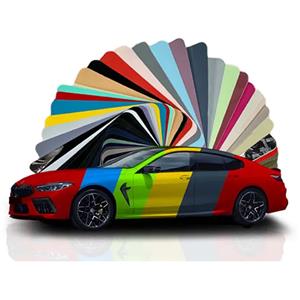
Aicksn also reports a color and finish portfolio exceeding 300 options. This provides distributors and installers with more flexibility when matching different customer preferences.
Choosing the Right Finish
Choose carbon wrap when texture and motorsport styling are central to the design.
Choose matte wrap when you want body contours to become the main visual feature.
Choose chrome wrap when maximum reflection and attention are the objective.
Choose PPF wrap when paint protection is the primary requirement.
Choose a full-body car wrap when the project calls for a complete exterior transformation.
The most successful wrap projects start by identifying the purpose of the film rather than choosing a color first. Once protection, appearance, maintenance, and coverage requirements are established, the appropriate material becomes much easier to select.
For professional automotive film businesses, Aicksn's combination of broad finish selection, multilayer film technology, manufacturing controls, and documented production capabilities provides a useful foundation for serving different vehicle styling requirements.