5-Window Tint: A Practical Guide to Full Car Coverage
A 5-window tint package provides a straightforward way to plan automotive glass coverage, but the term does not describe a single universal specification. Vehicles differ in glass size, factory tint, window shape, and legal requirements. A professional 5-window tint solution therefore needs to combine coverage planning with optical performance and installation quality.
For Aicksn New Materials Technology Co., Ltd., this creates an opportunity to supply film according to measurable application requirements rather than simply selling a generic roll.
What Does 5-Window Tint Mean?
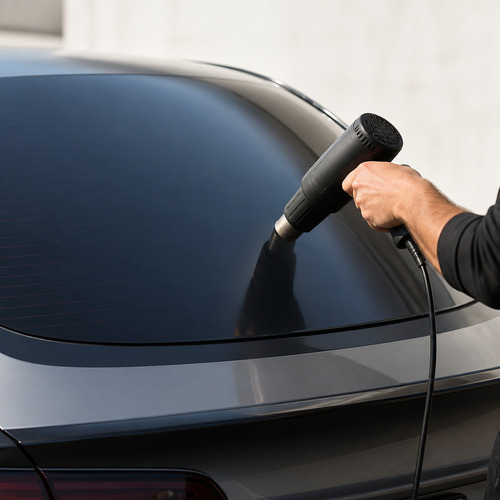
The phrase 5-window tint generally refers to tinting five vehicle windows, although the exact windows included can vary by vehicle and installer.
A common configuration may include two front side windows and three rear-side or rear-window surfaces. However, the number and shape of windows differ significantly among sedans, SUVs, hatchbacks, MPVs, and other vehicle types.
The film specification therefore needs to remain independent of the package name.
A buyer may request a 5-window tint package using a particular shade, but the installer still needs to determine the final VLT after the film is applied to the vehicle's original glass.
Factory Glass Changes the Result
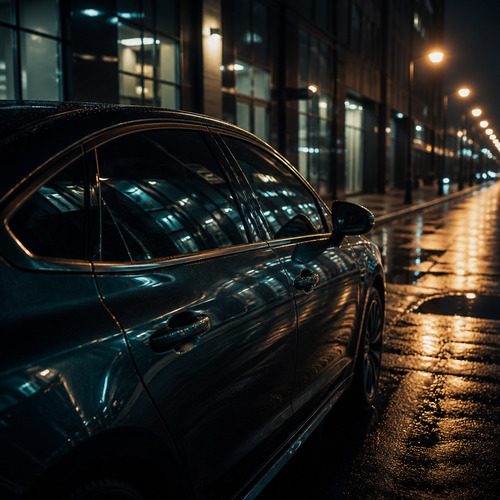
Modern vehicle glass often includes some degree of factory tint. Privacy glass is particularly common in rear areas.
If a dark film is installed over already-dark glass, the combined VLT can become much lower than expected. This is why professional installers should evaluate the original glass before selecting the film.
Japanese automotive-film guidance specifically explains that VLT requirements apply to the completed glass and film combination, not merely the film's catalog value.
For Aicksn, product documentation can help installers by specifying nominal film VLT and test conditions.
Selecting the Correct Car Window Darkening Film
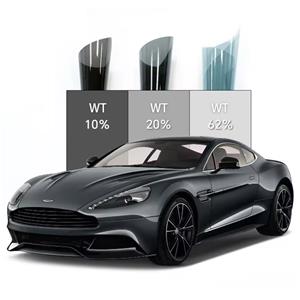
Car window darkening film is normally selected according to desired privacy, appearance, glare reduction, and local regulations.
A lighter film can maintain more interior brightness. A medium shade can provide a balance between visibility and privacy. A darker film creates a stronger visual effect but may reduce nighttime visibility.
Published film specifications demonstrate the relationship between VLT and glare reduction. For example, one technical data sheet reports progressively higher glare reduction as its metallic film shades become darker.
This is useful information for buyers because it demonstrates that shade affects more than appearance.
Where Metallic Car Tint Fits
A metallic car tint can provide a different visual and solar-control profile from dyed film.
Metallic layers can reflect part of the solar spectrum while also contributing to the film's appearance. Depending on construction, metallic film may have a more reflective exterior appearance than non-metallic alternatives.
For premium vehicles, appearance consistency is particularly important. A uniform metallic finish should remain consistent across the five treated windows.
This requires production control over the coating or metallization process.
Windshield Tint Should Not Automatically Be Included
A 5-window tint package does not necessarily mean the windshield should be treated with the same film.
Windshield tint is a separate application because the windshield is directly involved in forward driving visibility. Many jurisdictions impose specific minimum VLT requirements.
For example, Victoria's current vehicle guidance states that applicable windshields generally require at least 70% VLT and separately specifies conditions for tinted bands.
Other jurisdictions use different requirements, so installers and distributors must check the rules applicable to the vehicle.
Manufacturing for Different Window Shapes
Automotive film needs to be flexible enough for different window shapes while maintaining stable dimensions.
A factory quality system can check:
film width
roll length
thickness
optical uniformity
surface cleanliness
adhesive coating
release liner quality
edge condition
Dimensional stability is especially relevant because installers may heat-shape the film during application.
JIS S 3107 identifies dimensional stability, flexibility, adhesion, weather resistance, and appearance among relevant automotive film characteristics.
These requirements show why a high-quality 5-window tint product involves more than a dark-colored plastic sheet.
Building Consistent Export Products
For international distributors, batch consistency is critical.
Suppose a distributor orders the same shade several times throughout the year. If each production batch has a noticeably different VLT or metallic appearance, installers may struggle to match previously completed vehicles.
A manufacturer can reduce this risk through batch identification and standardized inspection.
A production report can record the nominal VLT, film thickness, width, length, appearance status, and test date for each batch. Sampling can be performed at multiple points along the roll rather than testing only a small beginning section.
Installation Quality and Product Quality
Even technically consistent film can perform poorly when installed incorrectly.
Dust contamination, insufficient glass preparation, excessive moisture, improper heat shaping, or poor edge finishing can produce bubbles and visual defects.
This means a factory should provide clear installation guidance alongside the material. Professional distributors can then train installers according to the film construction.
A 5-window tint product is particularly suitable for standardized installation workflows because the same product specification can be applied repeatedly across vehicle models, provided the original glass and legal requirements are considered.
Measuring Rather Than Guessing
A professional approach to 5-window tint begins with measurement.
The installer can identify the glass type, measure the original VLT where necessary, select a compatible film, and verify the finished result.
The same approach should be used for car window darkening film, metallic car tint, windshield tint, and auto window film.
Published automotive-film data also emphasizes that actual performance depends on glass properties and testing conditions.
For Aicksn, this measurement-oriented approach supports a product range that can be described with objective specifications rather than generic shade names.