Windshield Tint and Heat Control: What Drivers Should Know
A vehicle parked in direct sunlight can develop an uncomfortable cabin temperature as solar energy passes through the glazing and warms interior surfaces. Windshield tint is one option drivers may investigate when seeking improved solar comfort, but the product must be selected carefully because the windshield is essential to visibility and vehicle safety.
For Aicksn New Materials Technology Co., Ltd., helping customers understand solar performance, optical clarity, and product suitability provides a practical way to support informed purchasing decisions in the automotive film market.
Why the Windshield Matters for Heat Management
The windshield is a large glass surface positioned directly toward the road and often toward incoming sunlight. Its contribution to cabin heating depends on the vehicle's orientation, glass construction, solar intensity, ambient temperature, ventilation, and the amount of time the vehicle remains parked.
Windshield tint can change the amount of solar radiation transmitted through the glass, depending on the film's optical construction. Some products are designed to filter ultraviolet radiation, manage selected infrared wavelengths, or reduce visible light transmission. Their effectiveness varies by formulation and test conditions.
A film's shade alone cannot establish how much it will reduce cabin heating. A relatively light product may be engineered for solar control, while a darker product may primarily reduce visible light. Drivers should compare technical data rather than selecting a windshield product based only on its appearance.
Understanding the Main Solar Performance Measurements
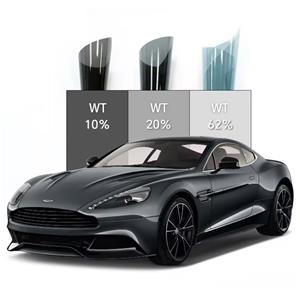
Visible light transmission, or VLT, measures the proportion of visible light passing through the tested film-and-glass system. Lower VLT values generally produce a darker appearance, but they may also reduce visibility in low-light conditions.
Ultraviolet rejection indicates how effectively a product reduces transmission within the tested ultraviolet range. This can be relevant to occupant exposure and the protection of selected interior materials.
Infrared rejection describes performance within a specified part of the infrared spectrum. Because different manufacturers may use different wavelength ranges and methods, infrared percentages cannot always be compared directly.
Total solar energy rejection provides a broader measure of solar control when determined using an appropriate method. Buyers should confirm whether the result represents film alone or the combined glazing system.
Car window darkening film intended for side windows and windshield tint should be assessed using the measurements relevant to the application. Aicksn can help customers compare products by supplying current specifications and explaining the conditions behind each available result.
Film Technologies and Heat Control
Dyed film uses colorants to influence visible light transmission and appearance. It may be appropriate for customers whose main priorities are styling and glare management.
Metallic car tint uses metallic components to influence reflection and solar transmission. Depending on the construction, it may offer useful solar-control performance and a reflective finish. However, electronic signal compatibility should be considered where the vehicle depends on GPS, mobile communication, or other relevant systems.
Ceramic films use specialized nonmetallic materials to manage selected wavelengths. They may be considered when customers want solar control without a strongly reflective appearance, although performance differs among formulations.
A metalized window film may provide a particular balance of reflection, visible light transmission, and solar performance. The product should be evaluated by its actual test results rather than the category name alone.
An auto tint film is most useful when its characteristics match the intended application. The best product for a rear side window may not be suitable for the windshield, even if both products are designed to manage solar energy.
Safety and Legal Compliance
The windshield is directly related to safe driving, so optical quality must take priority over appearance. A suitable product should preserve a clear view without distracting haze, distortion, uneven coloration, or excessive darkness.
Local rules may restrict aftermarket film on the main windshield viewing area or specify minimum light transmission and permitted placement. A full-windshield application and an upper sunstrip may be treated differently under local regulations.
Drivers should check current requirements with the relevant authority before purchasing a product. Installers should also inspect the original glass and consider cameras, sensors, and other equipment that may be affected by the application.
Aicksn should provide accurate technical documentation and avoid making universal claims that a particular windshield tint is legal everywhere. Compliance depends on the specific film, the combined glass-and-film properties, the vehicle, and the jurisdiction.
How Manufacturing Quality Influences Performance
Consistent solar performance depends on the quality of raw materials and the stability of the production process. Variations in coating distribution, thickness, optical characteristics, or surface condition may influence the finished product.
A professional manufacturing quality plan can include incoming-material verification, process checks, optical testing, visual inspection, and finished-roll traceability. Samples can be tested for visible light transmission, haze, and other product-specific characteristics using suitable equipment.
For example, a proposed inspection procedure could compare the optical readings of samples from different points in a production run. Acceptance criteria should be defined for each film grade and documented before the test is performed.
Environmental-aging evaluations may provide additional information about color stability and material behavior under specified conditions. Results should be reported accurately and should not be treated as a guarantee of identical performance in every climate.
These are recommended quality practices rather than verified Aicksn factory statistics. Company-specific test results, inspection frequencies, and certifications should be published only after confirmation.
Installation and Maintenance
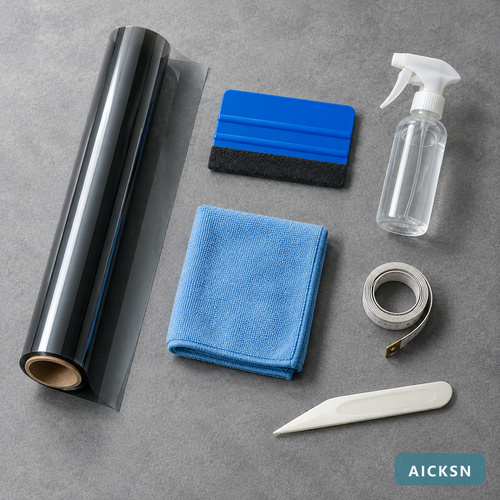
Successful installation starts with a clean glass surface and suitable working conditions. Dust, oil, and residue can create visible defects, while incorrect handling may damage the film before it is applied.
Installers should follow the product's instructions for surface preparation, application, and curing. The original glass should be inspected for damage, special coatings, or other features that may influence compatibility.
Drivers should allow the recommended curing period before cleaning the film. After curing, suitable nonabrasive cleaning products can help maintain the surface. Persistent distortion, unusual bubbles, edge lifting, or discoloration should be assessed by the installer.
Film quality and installation quality are related but separate factors. A properly manufactured product can still perform poorly if installed incorrectly, while installation problems should not automatically be interpreted as manufacturing defects.
Choosing a Supplier for Long-Term Value
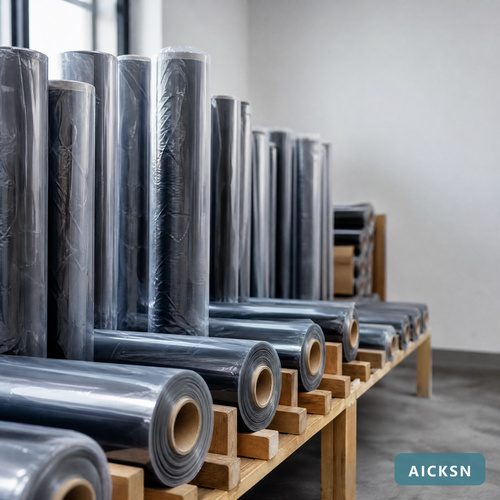
Professional buyers should compare windshield tint products using consistent measurements, documented test conditions, sample evaluations, and clear warranty terms. They should also confirm the available roll sizes, packaging, storage instructions, and technical support.
Car window darkening film may be selected primarily for privacy, while windshield tint requires greater emphasis on visibility and legal suitability. Metallic car tint and metalized window film should be evaluated for their solar characteristics, appearance, and potential signal interactions.
Aicksn New Materials Technology Co., Ltd. can support international buyers by providing clear product data, consistent specifications, and responsive technical communication. For distributors, this information helps reduce uncertainty and supports better product matching.
Windshield tint can contribute to solar comfort when the product is suitable for the vehicle and installed correctly. A careful comparison of performance, visibility, and compliance is the most reliable way to select a product that meets the driver's needs.