Why Heat Rejection Window Film Matters in Hot Climates
High temperatures and intense sunlight create practical challenges for drivers, automotive retailers, and fleet operators. When vehicles remain outdoors for extended periods, solar energy entering through the glass can increase interior heat and make the cabin uncomfortable. Selecting an effective Heat Rejection Window Film is one way to manage this problem. Aicksn New Materials Technology Co., Ltd. develops automotive solar film solutions for customers seeking a balance of thermal performance, optical quality, and attractive appearance.
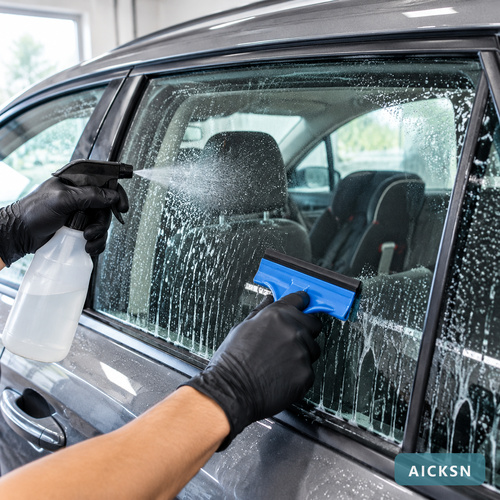
Understanding Solar Heat Inside a Vehicle
Sunlight contains ultraviolet, visible, and infrared radiation. These components interact differently with automotive glass, film coatings, dashboard materials, and interior surfaces. Some energy passes through the glazing, while some is reflected or absorbed. Absorbed energy can subsequently contribute to warming the glass and cabin.
A properly specified Heat Rejection Window Film can reduce solar energy entering a vehicle, depending on its construction and measured optical properties. This benefit is especially relevant in tropical and subtropical regions, where parked vehicles may experience prolonged exposure to strong sunlight.
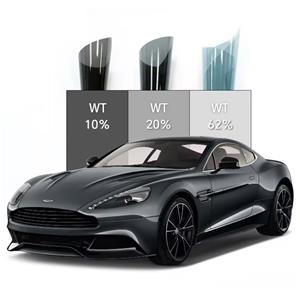
However, heat rejection is not determined by darkness alone. Two films with similar visible light transmission can have different solar-control performance. Likewise, a darker film does not automatically outperform a lighter product. Buyers should review total solar energy rejection, visible light transmission, infrared-related measurements, and the test conditions used to obtain them.
Aicksn recommends treating these specifications as complementary indicators. They help automotive businesses match a product to a specific climate, vehicle category, and customer expectation.
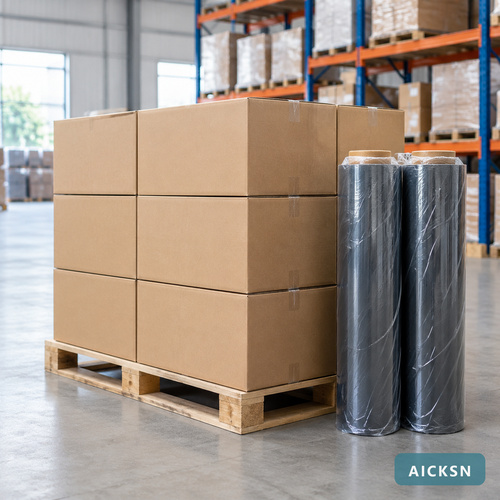
How Car Solar Film Supports Cabin Comfort
A high-quality Car Solar Film provides a functional layer over compatible automotive glazing. Depending on its material and coating structure, it can reflect, absorb, or transmit different proportions of incoming solar radiation. Reducing solar transmission can help moderate heat gain and improve perceived comfort for occupants.
The practical outcome depends on several variables, including outdoor temperature, parking duration, glass area, vehicle color, ventilation, and air-conditioning capacity. Window film is not a replacement for proper ventilation or vehicle cooling systems, but it can be part of a broader strategy for managing solar exposure.
For fleet operators, these considerations may affect driver comfort during daily operations. For private motorists, they influence the experience of entering a vehicle after it has been parked in an exposed location. Automotive retailers can explain these benefits more accurately when they connect product specifications with realistic operating conditions.
Aicksn New Materials Technology Co., Ltd. approaches Car Solar Film as a product category in which performance claims must be connected to measurable properties. This supports clearer discussions between manufacturers, distributors, installers, and vehicle owners.
Comparing Ceramic and Reflective Film Options
Different film technologies offer different combinations of optical and thermal characteristics. Ceramic Window Tint commonly uses engineered ceramic materials to modify the transmission of selected portions of the solar spectrum. Depending on the formulation, it can provide solar-control performance without relying on a strongly metallic appearance.
A Reflective Window Film uses reflective properties to return some incoming radiation away from the glazing. Its appearance can range from subtly reflective to noticeably metallic, depending on the design. Buyers should consider exterior appearance, interior visibility, glare, and any applicable restrictions on reflectivity.
Neither technology should be judged by its name alone. Ceramic products differ in particle composition and coating design, while reflective films vary in their metallic layers and optical properties. Performance should be verified for the specific product being purchased.
Aicksn helps buyers identify the relevant criteria before comparing available specifications. For a customer seeking a neutral appearance, a low-reflectivity product may be preferable. For another customer, stronger solar control or a distinctive exterior finish may be more important.
The Importance of Optical Performance
A premium Heat Rejection Window Film should deliver a suitable balance between thermal performance and visibility. Visible light transmission indicates the proportion of visible light that passes through the tested glazing-film combination. Haze describes unwanted light scattering, while reflectance describes how much light is reflected under specified conditions.
These properties affect the appearance of the finished installation. Excessive haze can impair visual clarity, and a film that is too dark for a particular application may create visibility or compliance problems. Automotive glass also varies in color and optical characteristics, so the final result can differ according to the vehicle.
Aicksn's product evaluation process should consider the intended glass application and the specification agreed upon with the buyer. Where required, samples can be assessed for appearance and relevant optical measurements before a commercial order is confirmed.
This process is valuable for distributors who need consistent product descriptions across a broad customer base. It also reduces the risk of selecting a film based solely on marketing language.
Manufacturing Quality and Production Control
Automotive film quality begins with suitable raw materials and continues through coating, converting, inspection, packaging, and storage. Variations in coating thickness or uniformity may influence appearance and performance. Surface contamination, scratches, and adhesive irregularities can also complicate installation.
For a professional Automotive Solar Film manufacturer, quality management should connect production specifications with finished-product acceptance criteria. Depending on the product, inspection may cover roll dimensions, visual defects, haze, light transmission, adhesion, and relevant solar-control measurements.
Aicksn New Materials Technology Co., Ltd. emphasizes the importance of defining requirements clearly between supplier and buyer. Film grade, shade, roll dimensions, packaging method, and performance expectations should be confirmed before production. These details are particularly important for distributors who purchase multiple grades for different vehicle segments.
Proper handling after production matters as well. Protective packaging can help reduce damage during transportation, while appropriate storage conditions help maintain product condition before installation. Clear identification of product batches and specifications supports communication when questions arise.
Choosing Film for Regional Markets
Different markets have different climatic conditions, driving habits, and legal requirements. In hot regions, customers may prioritize solar heat management. In markets where night driving and low-light visibility are major considerations, optical clarity and permitted visible light transmission may receive greater attention.
A Heat Rejection Window Film intended for one region should not automatically be assumed suitable for every market. Regulations may differ by window position, vehicle type, visible light transmission, and reflectivity. Windshield applications often have specific restrictions and should be checked separately.
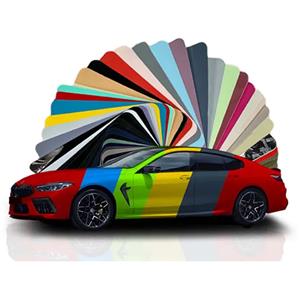
Distributors should also account for customer expectations regarding appearance. A neutral Car Solar Film may suit buyers who want a discreet finish, while Reflective Window Film may appeal to customers seeking a more pronounced exterior effect. Ceramic Window Tint provides another option where a nonmetallic appearance is preferred.
The most effective product range is therefore one with clearly differentiated grades and reliable documentation. Aicksn can discuss application requirements with buyers to help establish suitable specifications for their intended markets.
Communicating Product Value Without Exaggeration
Customers increasingly compare film specifications before purchasing. Manufacturers and distributors can build trust by explaining how the measurements differ and by avoiding unsupported claims about cooling performance or energy savings.
For example, infrared rejection is not the same measurement as total solar energy rejection. A high infrared rejection figure does not independently establish the percentage of total solar heat prevented from entering a cabin. Similarly, ultraviolet rejection does not provide a complete picture of thermal performance.
A professional Automotive Solar Film product description should identify the test method, sample construction, and measurement conditions where relevant. This gives buyers a better basis for comparing products from different suppliers.
Aicksn New Materials Technology Co., Ltd. recognizes that dependable product information is part of long-term business value. Clear specifications make it easier for distributors to train sales teams, answer installer questions, and recommend suitable film grades.
Supporting Comfortable Driving in Warm Weather
Heat management is a combination of product performance, correct selection, and professional installation. An appropriate Car Solar Film can help reduce solar transmission, while a well-matched Heat Rejection Window Film offers a practical option for vehicles regularly exposed to strong sunlight.
By evaluating Ceramic Window Tint, Reflective Window Film, and other Automotive Solar Film options against verified data, automotive businesses can identify products that suit their customers. Aicksn New Materials Technology Co., Ltd. focuses on application-driven product development, manufacturing consistency, and specification clarity to support informed purchasing decisions.