Vinyl Wraps: How to Choose the Right Car Wrap Finish
Selecting a vehicle wrap should begin with the question: what result should the vehicle achieve?
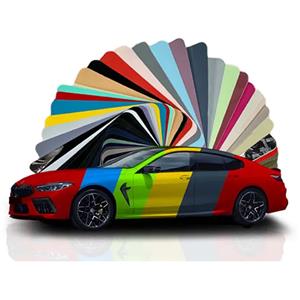
Some owners want a restrained appearance. Others want maximum gloss, a motorsport-inspired texture, or an attention-grabbing reflective surface. Modern Vinyl Wraps make all of these possibilities available, but each finish has different characteristics.
The four finishes most often compared are matte black car wrap, Gloss Black Vinyl Wrap, Carbon Fiber Vinyl Wrap, and Chrome Vinyl Wrap.
Step One: Define the Visual Objective
A matte black car wrap is designed around controlled reflection. It gives the vehicle a smooth, understated appearance and can emphasize body shape without producing strong highlights.
A Gloss Black Vinyl Wrap works differently. Its high-reflection surface creates depth and emphasizes smooth curves.
A Carbon Fiber Vinyl Wrap introduces a repeating pattern that suggests technical performance and can create strong contrast on selected panels.
A Chrome Vinyl Wrap produces a highly reflective effect that can dramatically change the vehicle's visual identity.
The best choice therefore depends first on the desired appearance.
Step Two: Consider Vehicle Geometry
The second consideration is surface complexity.
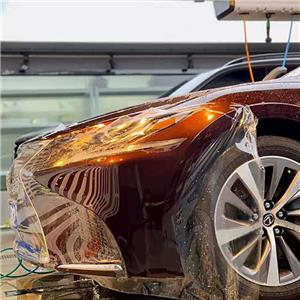
Modern vehicles have increasingly complicated body shapes. Bumpers, mirrors, recesses, handles, and aerodynamic components create compound curves that place demands on film flexibility.
Cast vinyl is widely used for these applications because its manufacturing process creates low internal memory and strong conformability.
For full vehicle projects, material behavior on difficult panels can be more important than its appearance on a flat sample.
Step Three: Evaluate Maintenance
Different finishes respond differently to maintenance.
Gloss surfaces can reveal fine scratches because they affect reflected light.
Matte surfaces can be affected by unsuitable polishing products that alter the intended surface texture.
Carbon-patterned film should be cleaned without excessive abrasion that could affect pattern clarity or surface finish.
Chrome requires careful handling because its reflective appearance makes defects particularly visible.
Therefore, customers should consider their normal vehicle-cleaning habits before selecting a finish.
Step Four: Check Product Specifications
Professional buyers should request technical information before purchasing Vinyl Wraps.
Useful specifications can include:
Film construction
Nominal thickness
Available roll widths
Roll lengths
Adhesive system
Recommended application temperature
Surface compatibility
Storage requirements
Outdoor performance information
Recommended maintenance procedures
This information allows installers to compare products based on measurable characteristics rather than marketing language.
Step Five: Evaluate the Manufacturer
The factory behind the product matters.
At Aicksn New Materials Technology Co., Ltd., production quality can be supported through systematic control of raw materials, film formation, coating, surface finishing, slitting, winding, inspection, and packaging.
A factory should also be able to maintain product consistency between production batches. This is especially important for commercial customers who may purchase the same finish repeatedly.
Quality control should not stop with the finished film. Packaging must protect the roll during transportation, while product labeling should support identification and traceability.
Building a Finish Portfolio
For distributors, carrying several finishes can address different customer segments.
The matte black car wrap can target customers seeking understated styling.
The Gloss Black Vinyl Wrap can serve customers who want a polished appearance.
The Carbon Fiber Vinyl Wrap can address performance-inspired and technical designs.
The Chrome Vinyl Wrap can serve show cars, promotional vehicles, and customers seeking maximum visual impact.
This portfolio approach also allows installers to create multi-finish designs. A matte body with gloss accents, carbon-patterned mirrors, or chrome details can produce a customized appearance without relying on a single material.
The Technical Meaning of Quality
A professional automotive film should be judged by more than color.
A quality product needs consistent thickness, stable dimensions, reliable adhesive behavior, controlled surface characteristics, clean roll edges, and appropriate packaging.
Current industry references continue to emphasize the importance of selecting film construction according to vehicle geometry and application requirements, particularly when full wraps involve compound curves.
For this reason, choosing Vinyl Wraps should be treated as a technical purchasing decision as well as a design decision.
Whether the final selection is a matte black car wrap, Gloss Black Vinyl Wrap, Carbon Fiber Vinyl Wrap, or Chrome Vinyl Wrap, consistent manufacturing is what allows the material to deliver predictable results.
For Aicksn New Materials Technology Co., Ltd., this provides a clear manufacturing objective: combine surface design with controlled material engineering so that distributors, installers, and vehicle owners can select the right film with confidence.