Vinyl Wrap vs Paint: Which Option Fits Your Car Best?
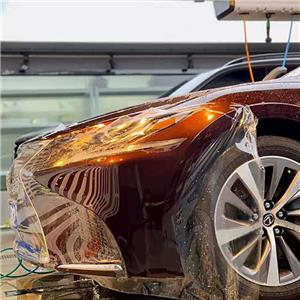
Changing a vehicle's appearance used to mean choosing a new paint color. Today, vehicle owners have another widely used option: Vinyl Wrap. A professional Car Wrap can transform exterior appearance while providing a removable film layer rather than permanently changing the paint system.
Neither approach is automatically better for every vehicle. Paint remains appropriate for certain restoration and permanent refinishing projects, while automotive film is attractive when flexibility, design variety, installation efficiency, and reversibility are important considerations.
What Makes Vinyl Wrap Different?
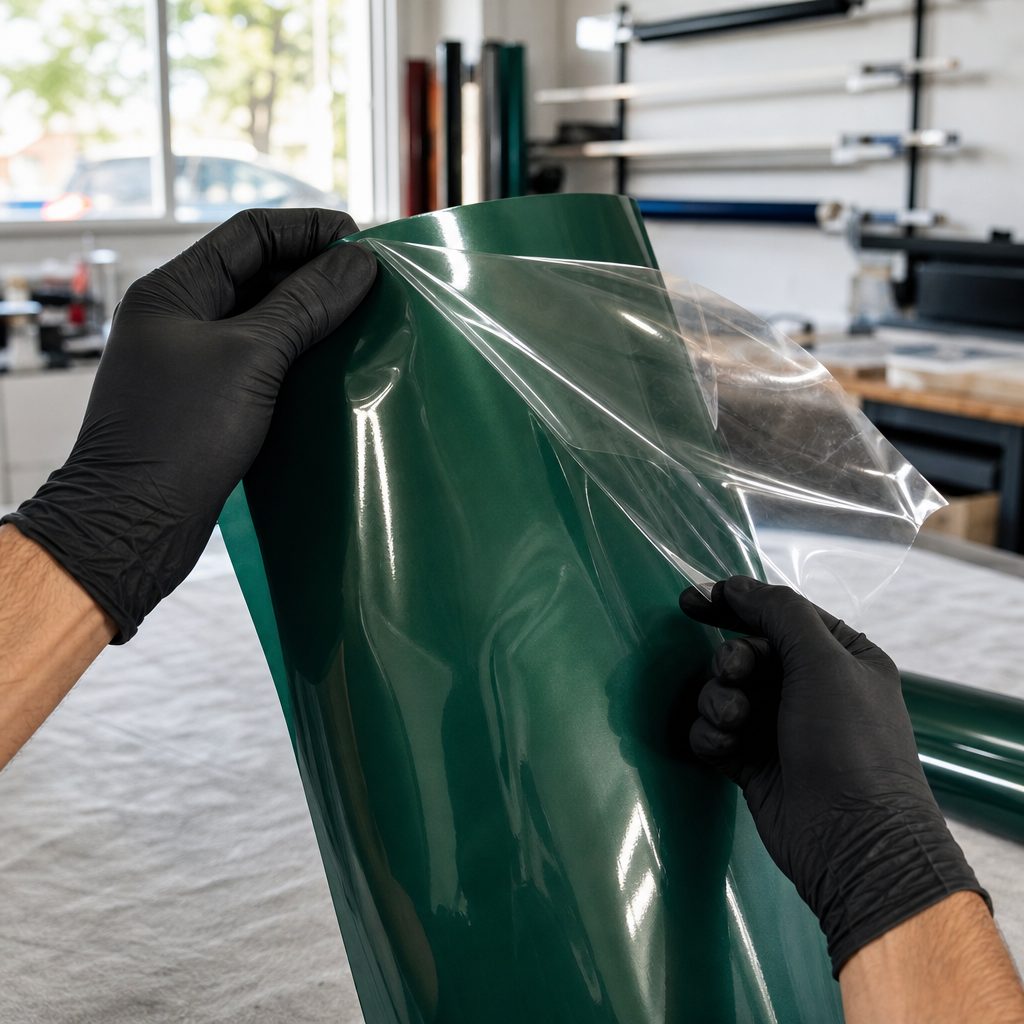
A Vinyl Wrap sits above the existing vehicle surface. It can therefore change the visible appearance without requiring the same type of permanent color transformation associated with repainting.
This distinction is important for owners who may want to change the appearance again later. It also allows a vehicle to retain its original painted surface beneath the film when the application and removal are performed correctly.
Aicksn's product information describes its automotive films as removable under appropriate conditions and designed to provide an additional surface layer.
Greater Design Flexibility
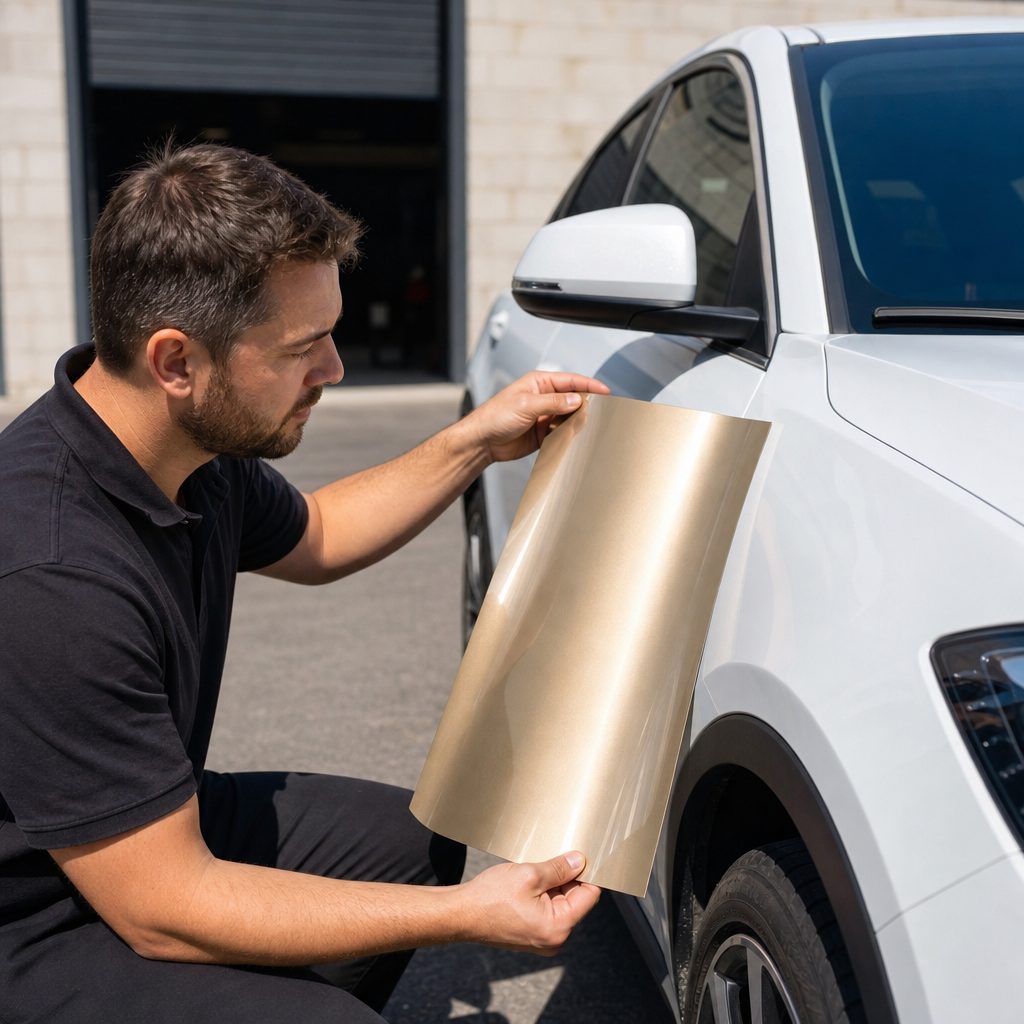
Paint typically involves selecting a fixed color and finish. Film expands the available visual possibilities.
A Carbon Fiber Vinyl Wrap can introduce a technical pattern. A Gloss Black Vinyl Wrap can create a reflective premium finish. A Matte Black Vinyl Wrap can produce a low-reflection contemporary appearance.
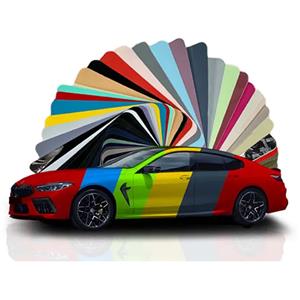
These materials can also be combined on the same vehicle. This makes film particularly useful for owners who want a more detailed design.
Aicksn states that its color-change film range includes more than 300 colors and finishes, demonstrating the breadth of options available from its automotive portfolio.
Installation and Vehicle Geometry
A paint job depends heavily on preparation, spraying conditions, curing, and finishing. A film installation depends on surface preparation, positioning, stretching, heat management, adhesive behavior, and edge finishing.
The flexibility of the material is particularly important. Aicksn states that its matte-black product can stretch up to three times its original size under specified conditions.
This type of flexibility allows professional installers to work around complex vehicle geometry more effectively.
Surface Protection Considerations
A Car Wrap can provide an additional layer between the painted surface and everyday environmental exposure.
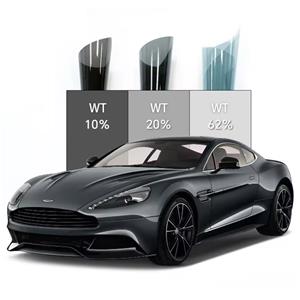
Aicksn's published product information describes scratch resistance, UV protection, waterproof characteristics, and surface durability for its matte-black automotive film.
However, film should not be presented as an absolute shield against every type of damage. Its role is better understood as an additional protective surface that can help reduce ordinary exposure while changing the vehicle's appearance.
When Gloss Black Makes Sense
The Gloss Black Vinyl Wrap is useful for customers who want a strong visual transformation. It can create a continuous dark appearance and emphasize body contours through reflection.
Compared with repainting, film also allows the owner to use gloss black for selected sections. A roof, hood, mirrors, or trim can receive the finish without changing the entire exterior.
This makes gloss black suitable for both complete and partial projects.
When Matte Black Is Better
The Matte Black Vinyl Wrap is a strong choice for customers seeking a modern, understated appearance.
Its low-reflection surface can make a vehicle look more technical and visually controlled. It also works well as an accent against bright body colors.
Aicksn's matte-black film uses a five-layer construction that combines a scratch-resistant topcoat, color layer, reinforced core, adhesive, and liner.
When Carbon Fiber Is the Better Choice
A Carbon Fiber Vinyl Wrap is ideal when the objective is to create a performance-inspired visual rather than simply change color.
Because it can be used selectively, carbon-effect film can provide strong results without covering the entire vehicle. A hood insert, roof, mirror, or spoiler can become the focal point of the design.
This approach is often more visually sophisticated than using the same pattern across every panel.
Factory Capability Matters
When comparing film suppliers, buyers should evaluate manufacturing infrastructure as carefully as they evaluate color.
Aicksn's published information references advanced manufacturing machinery, a quality inspection center, ISO 9001 certification, SGS certification, and factory stock.
The company also reports more than a decade of specialization in automotive film and offers a five-year warranty on its color-change wrap line according to its published product information.
These details provide concrete evidence of a structured manufacturing and quality approach.
Supply Reliability
Film projects often depend on material availability. Delayed material can disrupt installer schedules and customer commitments.
Aicksn's listed automotive products indicate large quantities in stock and delivery times of less than seven days for selected products.
For distributors and professional wrapping studios, this can make a significant difference when managing projects with short lead times.
Choosing Between Paint and Film
The decision ultimately depends on the purpose of the project.
Choose paint when a permanent refinishing solution is the primary objective. Consider Vinyl Wrap when design flexibility, removable application, and a broad range of surface effects are important.
For a modern Car Wrap, the available options extend far beyond simple color changes. Carbon Fiber Vinyl Wrap offers texture, Gloss Black Vinyl Wrap provides reflection, and Matte Black Vinyl Wrap delivers low-reflection styling.
With appropriate material selection and professional installation, automotive film can provide a flexible alternative to conventional repainting. Aicksn's manufacturing, quality-control, product-range, and supply capabilities further demonstrate how modern film production is evolving into a technically sophisticated automotive-material sector.