Understanding the Difference Between Paint Protection Wrap and Car Wrap Vinyl
Understanding the difference between paint protection wrap and car wrap vinyl is essential for customers looking to protect or customize their vehicles. Although both products fall under the broader category of vehicle wrap film, they are engineered with different goals in mind and deliver distinct performance benefits depending on the user’s priorities.
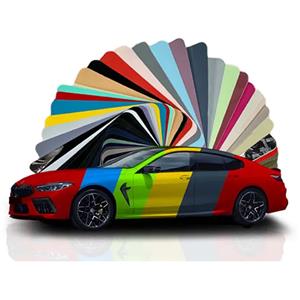
Car wrap vinyl is primarily used for transforming the visual appearance of a vehicle. With automotive vinyl wrap, car owners and businesses can easily change colors, add branding, or experiment with unique textures such as matte, satin, gloss, or carbon fiber finishes. Color change wrap film, a key segment of car wrap vinyl, allows a complete exterior redesign without permanent alterations to the original paint. This type of vehicle wrap film is especially popular among car enthusiasts, fleet operators, and advertising companies seeking flexibility and cost-effective customization.
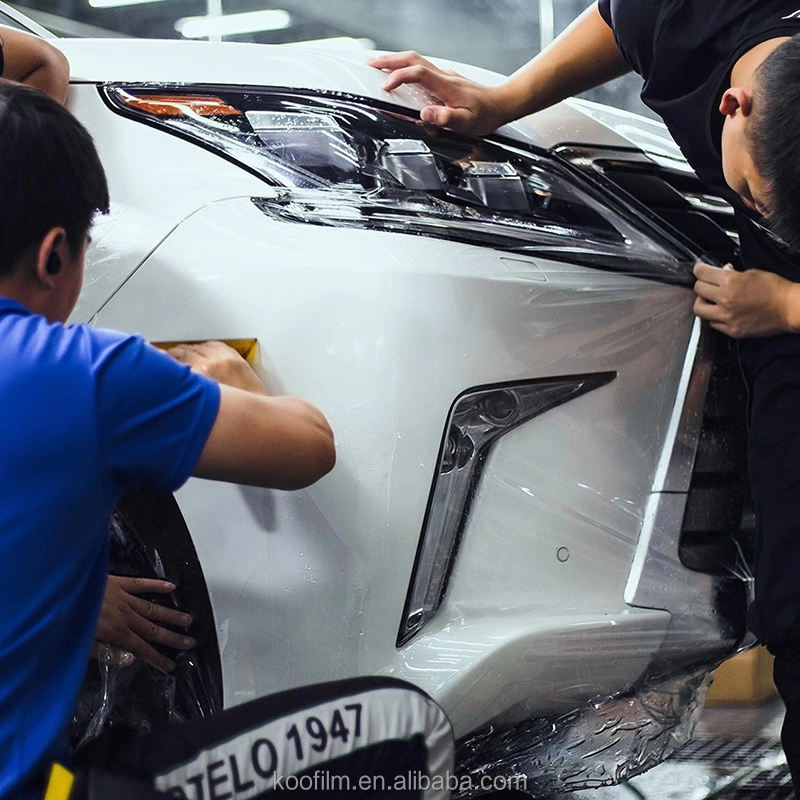
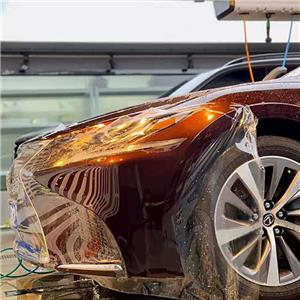
In contrast, paint protection wrap is designed with durability and defense as its core function. Typically made from thicker, elastomeric polyurethane materials, paint protection wrap forms a transparent protective layer over the vehicle’s painted surfaces. It shields against scratches, stone chips, UV exposure, road debris, and minor abrasions. Unlike car wrap vinyl, which emphasizes style, paint protection wrap focuses on preserving the factory finish and maintaining resale value over time.
One of the most noticeable differences between automotive vinyl wrap and paint protection wrap is thickness and material composition. Paint protection wrap is significantly thicker, which enhances its ability to absorb impacts and resist wear. Many advanced paint protection wrap products also feature self-healing properties, allowing minor scratches to disappear with heat. On the other hand, car wrap vinyl is thinner and more flexible, making it easier to conform to complex curves and intricate surfaces. This flexibility is what makes color change wrap film ideal for detailed designs and full-body transformations.
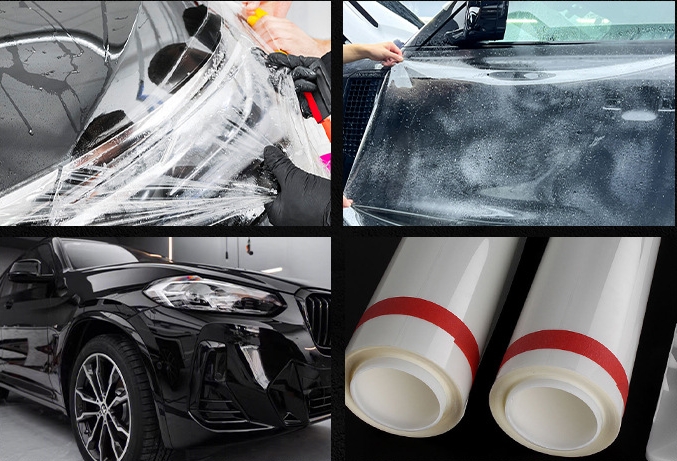
Another important distinction lies in application scenarios. Vehicle wrap film used for aesthetic purposes, such as car wrap vinyl, is often applied across the entire vehicle to create a consistent new look. In comparison, paint protection wrap is frequently applied to high-impact zones such as the hood, front bumper, side mirrors, and door edges. However, full-body paint protection wrap installations are becoming increasingly popular among luxury vehicle owners who want maximum protection.
Interestingly, many customers now choose to combine both solutions. In this hybrid approach, color change wrap film is applied first to achieve the desired appearance, followed by paint protection wrap on top or on vulnerable areas. This layered use of vehicle wrap film provides both visual customization and enhanced durability. Automotive vinyl wrap delivers the style, while paint protection wrap ensures long-term protection.
Installation requirements also differ slightly. Car wrap vinyl installation requires precise alignment, air bubble removal, and careful trimming to achieve a flawless finish. Paint protection wrap installation, however, demands even greater precision due to its transparency—any imperfections can be more visible. For both types of vehicle wrap film, professional installation is highly recommended to ensure optimal performance and longevity.
Maintenance considerations further highlight the differences. Car wrap vinyl requires regular cleaning and proper care to maintain its color vibrancy and finish. Exposure to harsh chemicals or improper washing techniques can reduce its lifespan. Paint protection wrap, on the other hand, simplifies maintenance by acting as a protective barrier. It reduces the need for frequent polishing and helps keep the vehicle looking newer for longer. Automotive vinyl wrap and paint protection wrap can work together to significantly improve overall vehicle care efficiency.
Cost is another factor influencing customer decisions. Car wrap vinyl is generally more affordable, especially for partial wraps or branding applications. Paint protection wrap tends to be more expensive due to its advanced material properties and protective capabilities. However, many customers view paint protection wrap as a long-term investment in preserving vehicle value.
In conclusion, car wrap vinyl, vehicle wrap film, automotive vinyl wrap, color change wrap film, and paint protection wrap each serve unique and complementary roles in vehicle customization and protection. Car wrap vinyl and color change wrap film are ideal for those seeking aesthetic transformation and branding opportunities, while paint protection wrap is the best choice for safeguarding the vehicle’s surface. By understanding these differences and how each type of vehicle wrap film functions, customers can make informed decisions and achieve the perfect balance between style and protection.