UK Car Window Tinting Industry Trends in 2026
As the UK automotive aftermarket enters 2026, the car window tinting industry is undergoing a period of sustained transformation, driven by evolving consumer expectations, regulatory awareness, and rapid technological advancement. What was once considered a secondary vehicle upgrade has now become a core requirement across both private and commercial vehicle segments. This shift is significantly increasing demand for high-performance car window tint film and reliable automotive window tint film across the UK market.
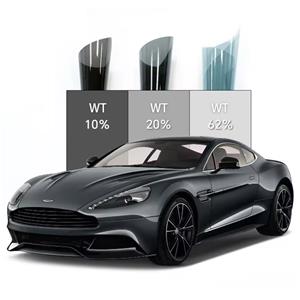
One of the most influential trends shaping the industry is the growing emphasis on thermal performance. With changing climate conditions and more frequent periods of high sunlight exposure, vehicle owners are placing greater importance on maintaining comfortable cabin temperatures. As a result, heat rejection window tint has become a central product category. The ability of heat rejection window tint to reduce solar heat penetration makes it an essential solution for both individual drivers and fleet operators. Increasingly, businesses are standardizing the use of heat rejection window tint across their fleets to enhance driver comfort, reduce fatigue, and improve fuel efficiency.
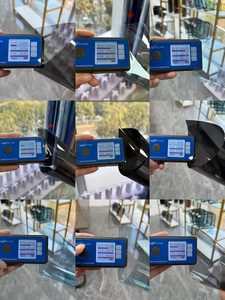
In addition to heat management, health and safety considerations are becoming increasingly important. The risks associated with prolonged ultraviolet exposure are now widely recognized, leading to a surge in demand for UV protection window film. High-quality UV protection window film can block up to 99% of harmful UV rays, providing essential protection for passengers while also preserving vehicle interiors. Many UK buyers now consider UV protection window film a mandatory feature, particularly in commercial applications where vehicles are exposed to sunlight for extended periods. The growing reliance on UV protection window film reflects a broader shift toward safety-focused purchasing decisions.
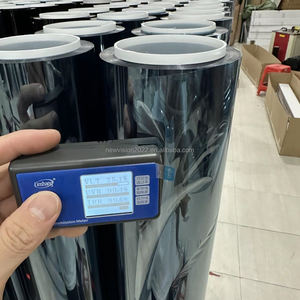
Technological innovation is another key driver of change in the industry. Among the most significant advancements is the rise of nano ceramic window tint, which has redefined performance standards for automotive window films. Unlike traditional dyed or metallic films, nano ceramic window tint offers superior heat rejection, exceptional clarity, and long-term durability. One of the most important advantages of nano ceramic window tint is its ability to maintain full signal transparency, ensuring compatibility with modern vehicle technologies such as GPS navigation, mobile connectivity, and advanced driver-assistance systems. As vehicles become increasingly connected, the demand for nano ceramic window tint is expected to grow rapidly.
From a supply chain perspective, distributors across the UK are adapting to these evolving trends by prioritizing high-quality automotive window tint film. Consistency, reliability, and compliance with local regulations are now essential requirements. Buyers are seeking manufacturers that can provide stable production capacity and deliver large volumes of automotive window tint film without compromising on performance. The ability to supply premium-grade automotive window tint film consistently is becoming a key differentiator in the competitive marketplace.
Professional installers also play a crucial role in shaping industry trends. As demand for window tinting services continues to increase, installers require dependable car window tint film that offers ease of application, strong adhesion, and consistent results. High-quality car window tint film reduces installation time, minimizes defects, and ensures a clean, professional finish. This not only improves operational efficiency but also enhances customer satisfaction, making reliable car window tint film a critical component of successful installation businesses.
Another emerging trend in 2026 is the growing importance of sustainability. UK buyers are becoming more environmentally conscious, leading to increased interest in durable and long-lasting products. High-performance heat rejection window tint and UV protection window film contribute to energy efficiency by reducing the need for air conditioning, while also extending the lifespan of vehicle interiors. Manufacturers that offer environmentally friendly automotive window tint film solutions are likely to gain a competitive advantage as sustainability becomes a more significant factor in purchasing decisions.
The commercial vehicle sector continues to be a major driver of demand. Logistics companies, ride-hailing services, and corporate fleets are investing heavily in car window tint film to improve driver comfort and enhance vehicle efficiency. For these businesses, the combined benefits of heat rejection window tint and UV protection window film provide measurable returns in terms of cost savings and operational performance. As fleet sizes expand, the demand for bulk quantities of automotive window tint film is expected to increase significantly.
In parallel, the premium vehicle segment is also contributing to market growth. Owners of luxury and high-performance vehicles are more likely to invest in advanced solutions such as nano ceramic window tint, which offers superior performance and aesthetics. The growing popularity of electric vehicles is further accelerating this trend, as EV owners prioritize energy efficiency and advanced technology compatibility. This makes nano ceramic window tint an ideal solution for the next generation of vehicles.
Looking ahead, the UK car window tinting industry is expected to remain highly dynamic and competitive. The continued evolution of vehicle technology, combined with increasing consumer awareness and regulatory requirements, will drive demand for high-performance solutions. Products such as heat rejection window tint, UV protection window film, and nano ceramic window tint will remain at the forefront of the market, supported by strong demand for reliable automotive window tint film and high-quality car window tint film.
Manufacturers that can deliver consistent quality, innovative technology, and scalable production will be best positioned to succeed in this evolving landscape. At the same time, distributors and installers must continue to adapt to changing market conditions by prioritizing performance-driven products and building strong supplier relationships.
As 2026 unfolds, the UK market will continue to present significant opportunities for growth. With increasing demand across multiple sectors and a clear shift toward premium solutions, the future of the car window tinting industry remains strong. High-performance car window tint film, advanced nano ceramic window tint, and efficient heat rejection window tint solutions will define the next stage of market development, while UV protection window film and reliable automotive window tint film remain essential components of every successful product portfolio.