PPF Wrap or Carbon Wrap: Which Offers Better Protection?
Vehicle owners often compare PPF wrap and carbon wrap because both can add a film layer over painted surfaces. However, their engineering objectives are different.
PPF is designed primarily for protection. Carbon film is primarily a visual styling solution.
The same distinction applies when comparing a chrome wrap, matte wrap, and a complete full-body car wrap.
Understanding the difference prevents customers from selecting a film based only on appearance.
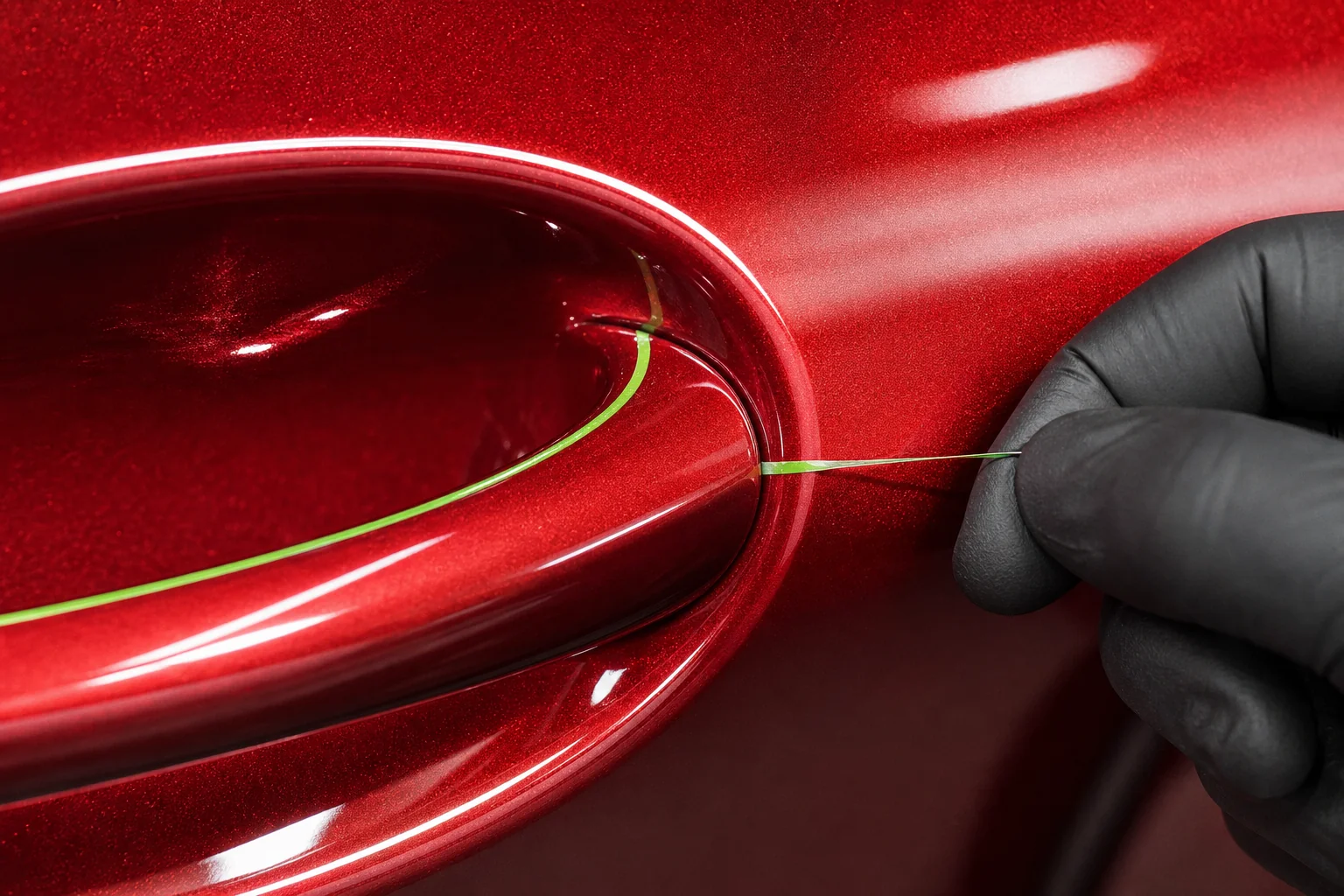
PPF Is Designed Around Protection
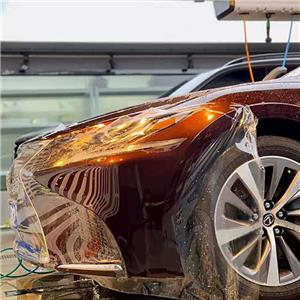
The main function of a PPF wrap is to create a protective barrier.
Aicksn's published satin PPF information describes a multilayer construction with scratch resistance, stain resistance, UV resistance, chemical resistance, abrasion resistance, high conformability, and self-healing properties.
These characteristics directly relate to the protection objective.
The film needs to tolerate everyday environmental exposure while remaining attached to the vehicle surface.
Carbon Wrap Is Designed Around Style
A carbon wrap creates a carbon-fiber-inspired visual pattern.
Its main value is the transformation of the vehicle's appearance.
That does not mean carbon film provides no surface protection. A film layer can physically separate paint from many everyday contaminants. However, buyers should distinguish between incidental protection and a product specifically engineered for paint protection.
If the vehicle is expensive or the original paint is a major priority, dedicated PPF is usually the more logical starting point.
Chrome Wrap Has a Different Objective
A chrome wrap is even more strongly focused on appearance.
Its reflective surface can dramatically transform a vehicle. It can be suitable for show vehicles, promotional projects, and customers who want maximum visual impact.
However, chrome surfaces can also expose installation defects.
The more reflective the film, the more important it becomes to control surface preparation and installation quality.
Matte Wrap and Protection
A matte wrap sits somewhere between styling and surface shielding.
Aicksn's matte black product information describes the film as an additional protective layer and specifies a five-layer construction that includes a scratch-resistant topcoat, color layer, reinforced core, adhesive, and liner.
This demonstrates why film construction matters.
A decorative film can still provide useful protection, but its performance should be judged according to its actual specifications.
What Happens in a Full-Body Car Wrap?
A full-body car wrap maximizes the area covered by film.
The larger the area, the more important material consistency becomes.
If one roll has a noticeably different color or texture from another, adjacent panels can reveal the variation.
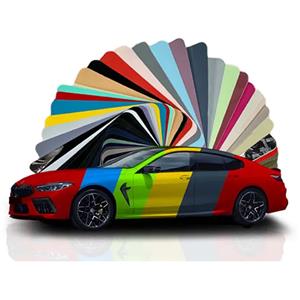
Aicksn's published color-change product information emphasizes a broad range of more than 300 colors and finishes and provides defined roll specifications.
Professional production control is therefore essential.
Why Adhesive Quality Matters
A film can have a high-quality surface and still fail as an installation material if the adhesive system is poorly controlled.
Adhesive must balance holding power with appropriate removability.
Aicksn's product information describes a calibrated adhesive system and residue-free removal characteristics for its color-change film.
For installers, adhesive behavior affects positioning, repositioning, edge finishing, and final stability.
Conformability Is Another Key Factor
Vehicle panels are three-dimensional.
The hood may contain multiple curves. Bumpers contain deep recesses. Mirrors have compound shapes.
A film needs sufficient flexibility to follow these contours.
Aicksn describes high conformability in its PPF products and substantial stretching capability in its matte black film.
This characteristic can make installation more manageable when the film is used correctly.
Factory Quality Control
Aicksn's published company information states that its manufacturing process includes material evaluation, production control, surface treatment, and final inspection.
The company also publishes references to ISO 9001 and SGS certification and a dedicated product quality inspection center.
For buyers, this means the evaluation process should consider more than the final color.
Questions worth asking include:
How is raw material consistency controlled?
How is film thickness monitored?
How is surface quality inspected?
How is adhesive performance evaluated?
How are finished rolls inspected?
How are production batches identified?
These questions help distinguish repeatable production from one-off sampling.
Which Film Protects Better?
If the question is purely about protection, PPF wrap is generally the appropriate technology because protection is its primary engineering objective.
Carbon wrap provides useful surface coverage but is primarily a decorative material.
Chrome wrap prioritizes visual impact.
Matte wrap balances appearance with an additional surface layer.
A full-body car wrap describes the extent of coverage rather than one specific type of material.
Therefore, a full-body PPF installation and a full-body carbon installation are two very different solutions.
Choosing According to the Vehicle
For a new luxury vehicle, PPF may be the preferred choice.
For a performance vehicle, carbon accents may create the desired technical appearance.
For a show car, chrome can provide maximum attention.
For an understated executive vehicle, matte may be ideal.
For a fleet requiring a consistent exterior identity, a full-body car wrap can provide broad coverage.
Aicksn's product portfolio allows professional installers to consider these different use cases instead of relying on one film category.