How to Choose the Best Full-Body Car Wrap Finish
Choosing the right finish is one of the most important decisions in a full-body car wrap project. The color may attract attention first, but the surface finish determines how the vehicle interacts with light, how its body lines appear, and how the owner will maintain it.
Modern buyers can choose from PPF wrap, chrome wrap, carbon wrap, matte wrap, and many other automotive film technologies.
The right choice depends on the desired combination of appearance, protection, maintenance, and application performance.
Start With the Purpose
Before choosing a color, ask one question: what should the film accomplish?
If the main objective is paint protection, consider PPF wrap.
If visual drama is the goal, consider chrome wrap.
If a motorsport-inspired appearance is preferred, consider carbon wrap.
If a sophisticated low-reflection appearance is desired, choose matte wrap.
If the goal is to change the entire vehicle, a full-body car wrap is the appropriate coverage strategy.
This simple decision process eliminates many unsuitable options.
Choosing PPF Wrap
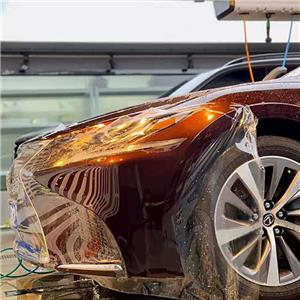
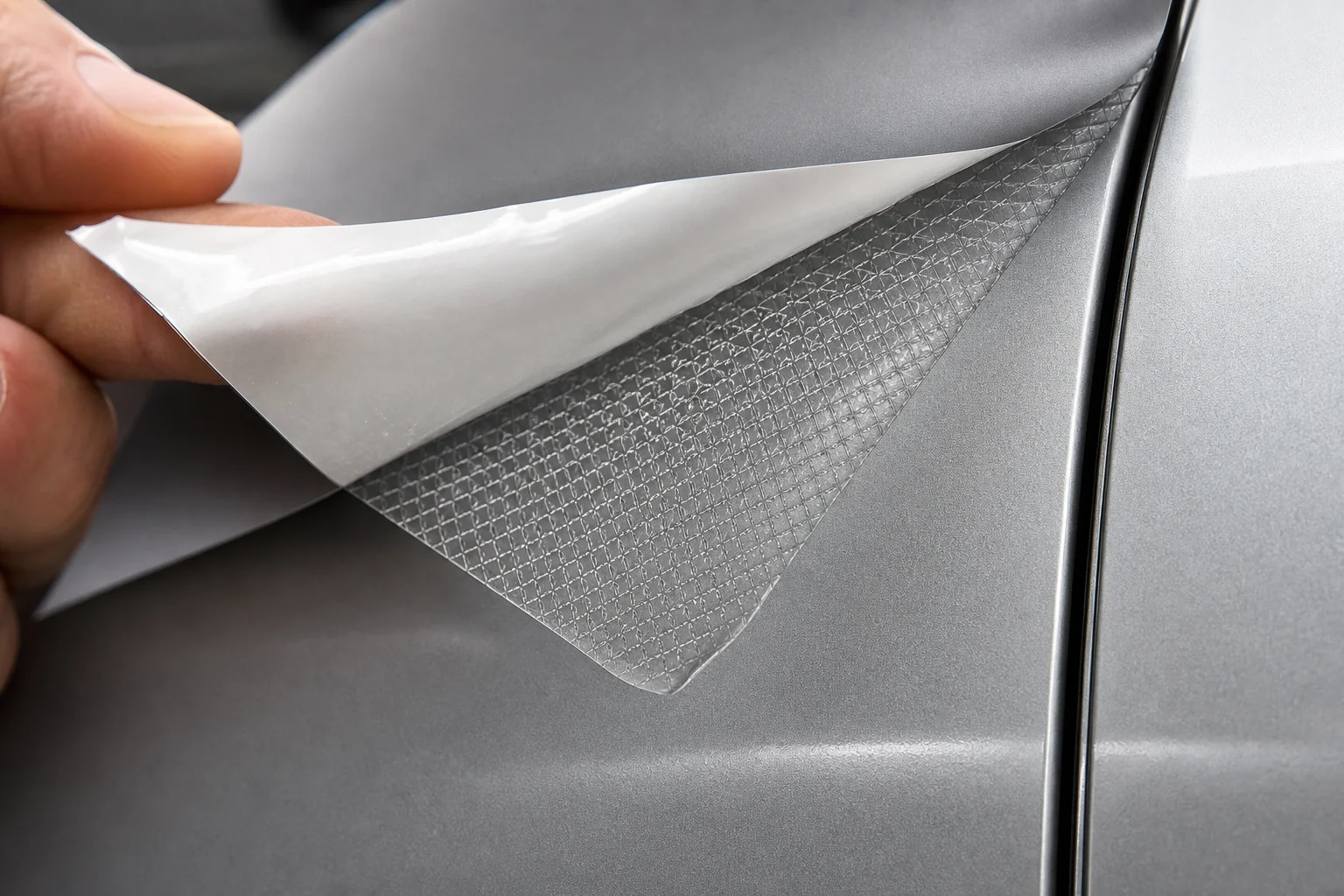
A PPF wrap is the logical choice when the underlying paint is valuable.
Aicksn's PPF product information describes multilayer construction, scratch and stain resistance, UV and chemical resistance, high conformability, and self-healing characteristics.
Clear PPF can preserve the original color, while satin PPF can provide a more distinctive visual effect.
This makes PPF suitable for customers who want protection without giving up premium styling.
Choosing Chrome Wrap
A chrome wrap is for customers who want their vehicle noticed.
The reflective surface can create a futuristic appearance, especially on sports cars and show vehicles.
However, chrome requires precise installation because reflections can reveal imperfections.
The vehicle surface must be clean and properly prepared. The film must be positioned accurately, and final inspection should be performed under appropriate lighting.
Professional vehicle-film application standards emphasize these quality-control stages.
Choosing Carbon Wrap
A carbon wrap is ideal for performance-inspired styling.
Carbon texture can make a standard vehicle appear more technical without replacing body components.
It can also be combined with other finishes.
A matte body with carbon hood and mirror caps is one example. A gloss black vehicle with carbon roof accents is another.
The key is contrast.
Choosing Matte Wrap
A matte wrap is suitable for owners who prefer understated design.
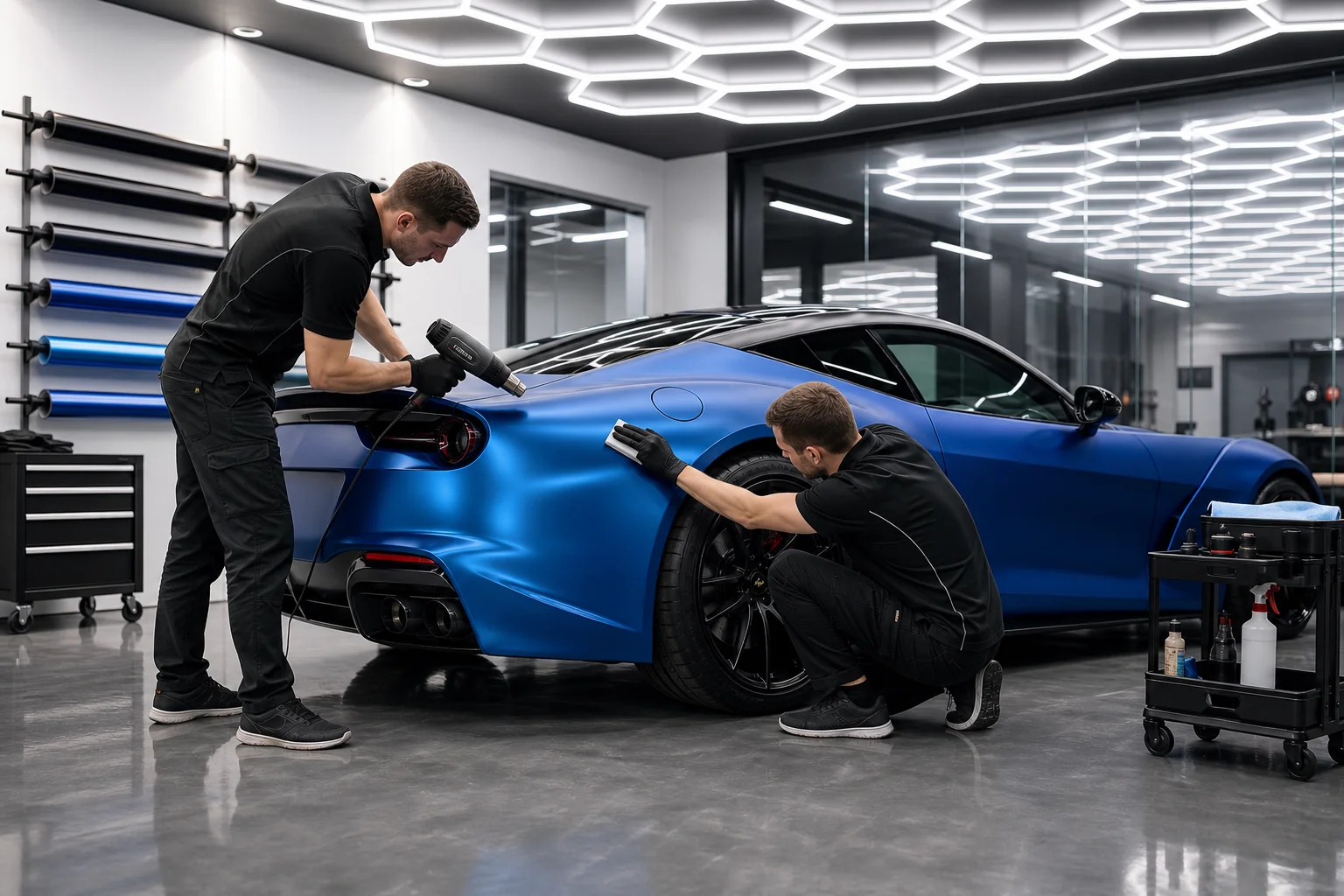
Matte black remains one of the most recognizable choices, but matte film can also be produced in other colors and finishes.
Aicksn's matte black film is described as a five-layer structure with a scratch-resistant topcoat, color layer, reinforced core, adhesive, and liner.
The company also states that the material can stretch up to three times its original size under suitable conditions.
This combination of appearance and flexibility is valuable for professional installation.
Combining Finishes
A full-body car wrap does not require one finish on every panel.
Designers can combine finishes to emphasize specific body lines.
For example:
Matte body + carbon roof
Gloss body + matte roof
Matte body + chrome accents
PPF hood + color-change body
Carbon mirrors + matte fenders
Combining materials can create a more sophisticated visual result than using one finish everywhere.
Consider the Vehicle's Shape
The same finish can look different on different vehicles.
A large SUV provides broad surfaces that can showcase matte textures.
A sports car with sharp creases may benefit from contrast between carbon and matte.
A luxury sedan may suit a subtle satin finish.
Chrome can work especially well when the body design contains smooth, continuous curves that allow reflections to move across the surface.
Consider the Climate
Climate matters because automotive film is exposed to sunlight, temperature changes, moisture, road contaminants, and washing.
A vehicle that spends most of its time outdoors needs a film appropriate for that exposure.
A vehicle stored indoors may experience different aging conditions.
Therefore, film selection should always consider the actual operating environment rather than relying solely on appearance.
Aicksn's Manufacturing Strength
Aicksn's published company information provides measurable manufacturing details that are relevant when selecting a film supplier.
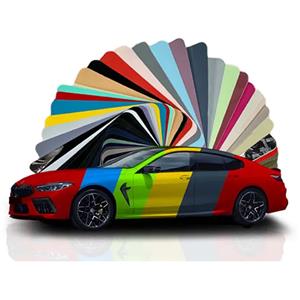
Its product range includes more than 300 colors and finishes. One listed color-change product uses 1.52 m × 17 m rolls, and the company states that large quantities are available from stock with delivery in less than seven days.
The company also references ISO 9001 and SGS certification, advanced manufacturing machinery, and a product quality inspection center.
These capabilities help professional installers manage projects that require repeatable materials and reliable supply.
Why Material Consistency Matters
Imagine a full vehicle with four doors wrapped in one batch and the hood wrapped in another.
If the color or surface texture differs, the change may be visible.
This is why manufacturing consistency matters for large projects.
Aicksn describes controls covering raw materials, production, surface treatment, and final inspection.
The purpose is to keep the finished film stable enough for professional applications.
Installation Quality Still Matters
Even the best film needs proper installation.
Surface preparation, panel measurement, pattern development, controlled stretching, edge finishing, and final inspection all affect the result.
The Australian vehicle-film competency standard explicitly identifies these stages as part of professional application.
A full-body project magnifies small mistakes because there are many more panels and edges to inspect.
Making the Final Decision
Use this framework:
PPF wrap: protection first.
Chrome wrap: maximum reflection.
Carbon wrap: technical texture.
Matte wrap: understated appearance.
Full-body car wrap: complete exterior transformation.
Aicksn's broad finish portfolio and documented manufacturing and quality-control capabilities allow professional installers to match film technology with different customer requirements.