Carbon Wrap Guide: Style, Durability, and Applications
Carbon-inspired automotive styling has become a familiar feature in performance vehicle design. A carbon wrap provides the appearance of woven composite material without requiring the vehicle owner to replace body components with actual carbon fiber.
The result is a combination of texture, depth, and motorsport character.
However, carbon is only one of many automotive film choices. A PPF wrap focuses on protection, a chrome wrap emphasizes reflection, and a matte wrap creates a low-reflection finish. When a vehicle needs a complete transformation, a full-body car wrap can bring several design concepts together.
What Is Carbon Wrap?
A carbon wrap is an automotive film designed with a carbon-fiber-style visual pattern.
The pattern can vary in scale, direction, gloss level, and depth. Some products aim for a realistic woven appearance, while others create a more stylized interpretation.
The greatest advantage is design flexibility.
Instead of replacing a hood, mirror, spoiler, or interior trim with expensive composite components, an installer can use carbon film to create a similar visual language with a removable film system.
Where Carbon Wrap Works Best
Carbon film is particularly effective on areas that already have a performance character.
Common applications include:
Hood panels
Roof sections
Mirror caps
Spoilers
Door pillars
Side skirts
Interior trim
Dashboard sections
A partial application can be more visually sophisticated than wrapping every surface in carbon.
For example, a black vehicle with a carbon hood and roof can create contrast without overwhelming the original body design.
Carbon Wrap vs PPF Wrap
A PPF wrap and carbon wrap should not be treated as identical materials.
PPF is designed primarily to protect the paint. Carbon film is designed primarily to change appearance.
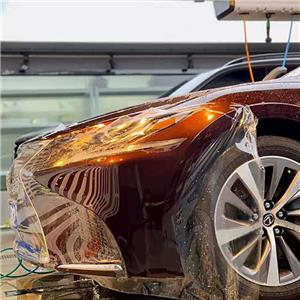
Aicksn's PPF information describes scratch resistance, stain resistance, UV and chemical resistance, self-healing behavior, and high conformability.
Carbon film, on the other hand, is selected when the customer wants the distinctive visual texture of composite materials.
This difference should be explained clearly during product selection.
Carbon Wrap vs Matte Wrap
A matte wrap changes the way the vehicle reflects light. Carbon changes the visual texture.
This creates two different design approaches.
Matte black can make a sports car appear wider, lower, or more aggressive because reflections are reduced. Carbon can highlight individual components by creating a visible pattern.
The two can also work together.
A matte black body with carbon accents is a popular design concept because the surfaces remain within the same dark color family while offering different visual textures.
Carbon Wrap vs Chrome Wrap
A chrome wrap creates maximum reflection.
Carbon creates maximum texture.
That makes them almost opposite design choices.
Chrome can make a vehicle look futuristic or show-oriented. Carbon creates a technical and performance-oriented appearance.
A professional design can even combine them. A chrome roof with carbon mirror caps, for example, creates a dramatic contrast.
Can Carbon Wrap Be Used for a Full Vehicle?
Yes, but a full-body car wrap using carbon texture requires careful design planning.
A repeating pattern across doors, fenders, bumpers, and roof panels needs consistent orientation. If the pattern changes direction randomly, the result may look less professional.
Installers should therefore determine panel orientation before cutting material.
Professional vehicle wrapping standards emphasize accurate surface measurement and pattern production before film application.
This is especially relevant when the film contains a directional pattern.
Material Flexibility and Installation
A carbon film must follow vehicle contours without excessive distortion.
If the pattern stretches too much, its visual geometry can become distorted. This is why material selection and controlled installation are important.
Aicksn's broader automotive film manufacturing system emphasizes material selection, production precision, surface processing, and quality inspection.
For professional installers, predictable film behavior helps reduce material waste and improve consistency.
Aicksn's Production Capabilities
Aicksn's published product information provides several concrete indicators of production capability.
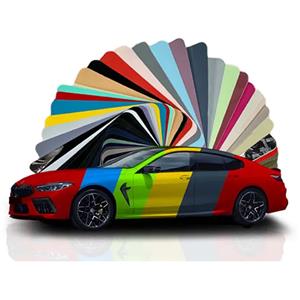
Its color-change film portfolio includes more than 300 colors and finishes. The company publishes a 1.52 m × 17 m roll specification for one product, states that large quantities are available from stock, and lists delivery times of less than seven days.
The company also references ISO 9001 and SGS certification, advanced manufacturing equipment, and a product quality inspection center.
For a distributor or installation business, these details can be more useful than simply seeing photographs of finished vehicles.
Durability Depends on More Than Appearance
The lifespan of automotive film depends on film construction, exposure, installation quality, cleaning, storage, and environmental conditions.
A carbon pattern may remain visually attractive only if the surface is properly maintained.
The same principle applies to matte wrap, chrome wrap, and other finishes.
A film should therefore be selected according to the actual vehicle environment. A daily driver parked outdoors has different requirements from a weekend sports car stored indoors.
When PPF Makes More Sense
If the vehicle owner cares primarily about preserving original paint, PPF wrap is the more appropriate technology.
Aicksn's satin PPF is described as a protective multilayer system with self-healing and resistance characteristics intended for demanding automotive applications.
If the customer wants a visual transformation, carbon film becomes more relevant.
Designing a Complete Vehicle
A full-body car wrap does not necessarily mean using one finish everywhere.
A professional design can combine matte, carbon, gloss, chrome, and protective film according to the vehicle's body lines.
The hood might use carbon texture. The main body might use matte. Door handles could receive a protective film. Selected areas might use chrome accents.
This approach creates a more sophisticated result than simply applying one material to every panel.
Final Selection
Choose carbon wrap for texture and motorsport character.
Choose matte wrap for understated style.
Choose chrome wrap for visual drama.
Choose PPF wrap for protection.
Choose a full-body car wrap when a complete transformation is required.
With broad finish selection and documented manufacturing and inspection systems, Aicksn provides professional installers with material options for both focused accent projects and complete automotive transformations.