Carbon Fiber Vinyl Wrap: Texture, Strength, and Uses
The Carbon Fiber Vinyl Wrap occupies a distinctive position in automotive customization. Instead of changing only the color of a vehicle, it introduces a visual pattern associated with engineered composite materials. This makes it popular for exterior accents, interior trim, motorsport-inspired styling, and selected full-vehicle applications.
The key to a convincing carbon-fiber appearance is consistency. The pattern must remain visually stable across the roll, and the surface should maintain its intended texture after application.
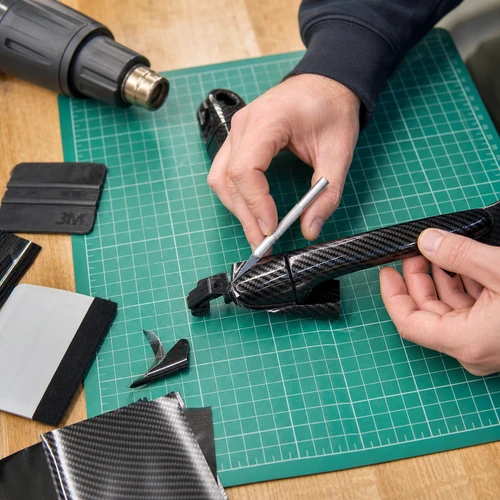
More Than a Printed Pattern
A carbon-style film is not judged only by whether its pattern resembles woven carbon fiber. The relationship between pattern scale, surface texture, gloss level, film flexibility, and adhesive behavior determines the finished appearance.
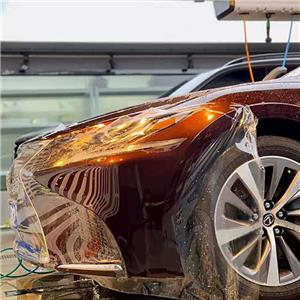
During installation, complex vehicle panels can stretch the film. Excessive stretching may distort the pattern, particularly around deep recesses and compound curves. A well-engineered Carbon Fiber Vinyl Wrap therefore needs a balance between conformability and pattern stability.
This is where professional manufacturing becomes important. Controlled coating thickness and stable film dimensions help installers work with predictable material.
Manufacturing Consistency
Automotive Vinyl Wraps are manufactured through multiple stages. Raw material preparation is followed by film formation, surface treatment, adhesive coating, finishing, slitting, inspection, and packaging.
Each stage can influence the finished product.
If the base film thickness varies, installation behavior may change. If adhesive coating is uneven, bonding can become inconsistent. If the pattern or surface coating varies, the final vehicle can show visible differences between adjacent panels.
At Aicksn, a quality-oriented production system can therefore use batch tracking and inspection records to monitor these variables. Finished rolls should be checked for surface defects, edge quality, winding condition, and appearance before export.
Carbon Fiber Compared With Other Finishes
A matte black car wrap creates a clean, low-reflection appearance and is often selected for complete vehicle transformations.
A Gloss Black Vinyl Wrap emphasizes smooth body contours through reflection.
A Carbon Fiber Vinyl Wrap adds pattern and texture, creating a more technical visual identity.
A Chrome Vinyl Wrap produces a highly reflective appearance and is often used when maximum visual impact is required.
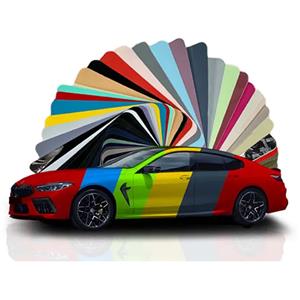
These choices demonstrate how different surface engineering approaches can produce dramatically different results even when applied to the same vehicle.
Where Carbon Fiber Film Works Well
Carbon film can be used on mirrors, roof sections, spoilers, hoods, door pillars, dashboards, center consoles, and other trim components. Accent applications are especially useful when a customer wants to introduce a performance-inspired visual detail without covering the entire vehicle.
The material can also support fleet or promotional design. A company may use a consistent carbon pattern on selected areas of multiple vehicles to establish a recognizable appearance.
For installers, pattern alignment should be considered before cutting. Planning panel direction helps maintain visual continuity.
Product Quality and Factory Capability
A professional factory should be able to explain product specifications clearly. Important information includes available widths, roll lengths, film thickness, adhesive type, surface finish, installation temperature range, and expected outdoor performance.
Quality control can include visual inspection under controlled lighting, dimensional measurement, adhesive assessment, and finished-roll inspection.
For export production, packaging should protect the film from crushing and contamination. Stable roll winding is especially important because damaged edges can complicate installation.
The manufacturing objective is consistency: when a distributor orders several rolls of the same Carbon Fiber Vinyl Wrap, the material should maintain the same appearance and working characteristics from roll to roll.
Practical Maintenance
After application, carbon-pattern film should be cleaned using methods appropriate for automotive wrap materials. Strong abrasion can affect surface texture or pattern clarity.
Customers should also understand that a vinyl wrap is not a substitute for structural body protection. Its primary functions are appearance customization and surface coverage. Maintenance, environmental exposure, vehicle storage, and installation quality all influence service life.
The Carbon Fiber Vinyl Wrap demonstrates how modern Vinyl Wraps combine visual design with polymer engineering. Alongside a matte black car wrap, Gloss Black Vinyl Wrap, and Chrome Vinyl Wrap, it provides manufacturers and installers with a broader palette for vehicle customization.