Car Window Tinting Demand Surges Across the US
The US automotive aftermarket is experiencing a significant surge in demand for window tinting solutions, driven by increasing consumer awareness, climate factors, and evolving vehicle technologies. Once considered primarily an aesthetic upgrade, window tinting is now widely recognized as a functional necessity. This shift is fueling strong growth in demand for high-quality car window tint film and reliable automotive window tint film across the country.
One of the most important drivers of this growth is the rising need for heat control. In many regions of the United States, particularly in southern and western states, high temperatures and intense sunlight create uncomfortable driving conditions. As a result, heat rejection window tint has become a critical solution for improving cabin comfort. The ability of heat rejection window tint to significantly reduce solar heat gain makes it highly attractive for both individual drivers and commercial fleet operators. Many businesses are now standardizing heat rejection window tint across their vehicles to improve efficiency and reduce energy consumption.
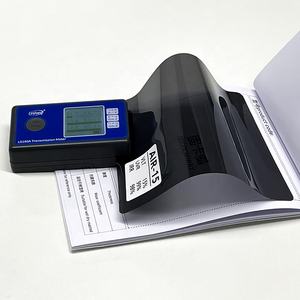
In addition to thermal performance, UV protection is playing a key role in shaping demand. Prolonged exposure to sunlight can lead to serious health risks and interior damage. This has led to increased adoption of UV protection window film, which blocks harmful ultraviolet rays and helps preserve vehicle interiors. Consumers and businesses alike are prioritizing UV protection window film, making it one of the most sought-after features in the market.
Technological innovation is further accelerating market expansion. Advanced products such as nano ceramic window tint are becoming increasingly popular due to their superior performance. Unlike traditional films, nano ceramic window tint offers enhanced heat rejection, excellent clarity, and long-term durability. Importantly, nano ceramic window tint does not interfere with electronic signals, making it ideal for modern vehicles equipped with advanced navigation and communication systems.
From a B2B perspective, distributors are focusing on sourcing high-quality automotive window tint film that meets strict performance and compliance standards. Consistency, reliability, and scalability are critical factors in supplier selection. Manufacturers that can deliver large volumes of automotive window tint film without compromising quality are well positioned to capture market share.
Professional installers also play a crucial role in market growth. They require dependable car window tint film that is easy to apply, minimizes defects, and ensures a professional finish. High-quality car window tint film improves installation efficiency and enhances customer satisfaction, making it a preferred choice for workshops across the US.
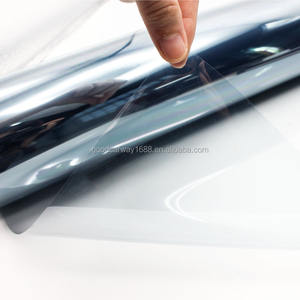
The commercial vehicle sector is another major contributor to demand. Logistics companies, ride-hailing services, and corporate fleets are increasingly investing in heat rejection window tint and UV protection window film to improve driver comfort and reduce operational costs. This creates strong, recurring demand for bulk quantities of automotive window tint film.
Looking ahead, the US market is expected to continue expanding, driven by strong demand for car window tint film, advanced nano ceramic window tint, and high-performance heat rejection window tint. As awareness of UV protection grows, UV protection window film will remain a key component of the market, supported by reliable supply of automotive window tint film.