Automotive UV Film Demand Expands Across Europe
The European automotive industry is experiencing a new wave of demand for advanced automotive ceramic film products as consumers place greater emphasis on driving comfort, UV protection, and vehicle energy efficiency. Across Netherlands, Belgium, Poland, and Sweden, drivers are increasingly investing in premium UV window film solutions to improve vehicle performance and cabin protection.

One major factor behind this market expansion is Europe’s changing climate. Summer heat waves are becoming more frequent across the EU, causing vehicle interiors to reach extremely high temperatures. As a result, demand for high-performance heat rejection window tint products has increased significantly. Consumers now understand that advanced solar control film can dramatically improve cabin comfort during daily commuting and long-distance travel.
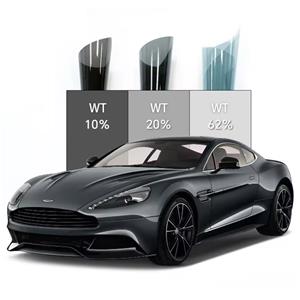
Unlike older tinting materials, modern automotive ceramic film technology offers superior infrared heat rejection while maintaining high optical clarity. European drivers increasingly prefer ceramic-based UV blocking film because it allows natural visibility without creating excessive darkness inside the vehicle. This balance between comfort and visibility has become especially important in countries with strict window tint regulations.
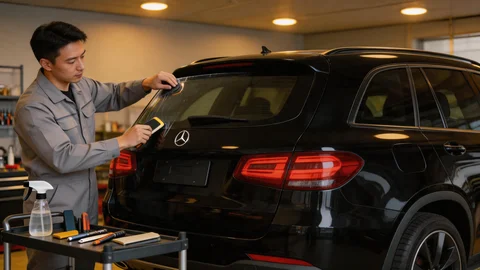
At Aicksn New Materials Technology Co., Ltd., innovation is driven by the evolving needs of international automotive markets. The company develops advanced automotive ceramic film products using nano-ceramic dispersion technology and multilayer coating systems that deliver long-term stability and consistent performance. Every UV window film product is carefully engineered to withstand high temperatures, humidity, and prolonged sunlight exposure.
The expansion of Europe’s premium automotive segment has also supported the growth of the solar control film industry. Owners of luxury vehicles increasingly demand high-quality heat rejection window tint products that protect expensive interiors while enhancing overall driving experience. Premium leather, digital displays, and modern dashboard materials are highly sensitive to UV exposure, making UV blocking film a valuable protective upgrade.
Another important trend influencing the market is the rise of family-oriented vehicle protection. Parents across Europe are becoming more aware of the harmful effects of ultraviolet radiation during road trips and daily transportation. Advanced UV window film helps reduce UV exposure for children and passengers while maintaining a cooler and more comfortable cabin environment.
The tourism and mobility industries are also contributing to increased demand for automotive ceramic film products. Rental car companies, executive transport providers, and tourism fleets are upgrading vehicles with premium solar control film to improve passenger satisfaction. Cooler cabin temperatures and reduced glare create a more comfortable travel experience, particularly during peak summer seasons across southern Europe.
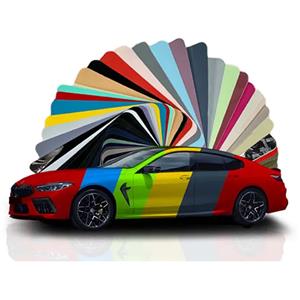
European consumers are also placing greater importance on vehicle appearance. Modern heat rejection window tint products provide a refined and elegant finish that complements contemporary automotive styling. Sleek UV blocking film installations have become a popular enhancement for electric vehicles, luxury SUVs, and sports sedans throughout Europe.
At the manufacturing level, Aicksn New Materials Technology Co., Ltd. continues to strengthen production efficiency and quality consistency. The company operates advanced coating lines, precision slitting equipment, and strict inspection systems to ensure every roll of automotive ceramic film meets international standards. These manufacturing capabilities allow Aicksn to support large-volume orders for European distributors and wholesalers.
In addition to passenger comfort, energy-saving performance has become a key selling point for solar control film products. By reducing solar heat penetration, high-quality UV window film decreases reliance on air conditioning systems. This supports fuel efficiency in gasoline vehicles and helps extend battery range in electric vehicles, aligning with Europe’s environmental goals.
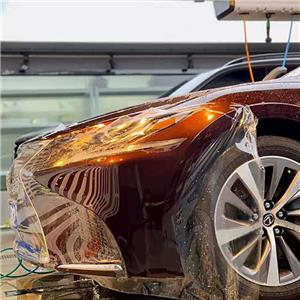
Professional automotive installers throughout Europe increasingly recommend ceramic-based heat rejection window tint because of its durability and advanced performance. Unlike low-cost dyed films that may discolor or bubble over time, premium automotive ceramic film maintains stable appearance and thermal performance for many years.
The commercial logistics sector is another growing market for UV blocking film products. Delivery drivers and transportation operators often spend long hours on the road under strong sunlight. Installing UV window film improves working conditions by lowering interior heat and reducing sunlight glare, helping drivers remain more comfortable and focused.
As consumer awareness continues growing, online automotive communities and social media platforms are helping accelerate the popularity of solar control film technologies. European drivers increasingly research the benefits of ceramic-based heat rejection window tint before purchasing new vehicles or upgrading existing ones.
Research and development remain central to the long-term strategy of Aicksn New Materials Technology Co., Ltd.. The company continues investing in advanced materials engineering to create next-generation automotive ceramic film products with improved infrared rejection, stronger UV protection, and enhanced installation performance.
The future of the European UV window film market remains highly promising. As temperatures rise, electric vehicle adoption grows, and consumers seek better driving experiences, demand for premium UV blocking film and solar control film products is expected to expand steadily across the region.
Through innovation, manufacturing excellence, and commitment to quality, Aicksn New Materials Technology Co., Ltd. continues to deliver reliable automotive ceramic film and heat rejection window tint solutions that meet the changing needs of Europe’s modern automotive market.