Auto Tint Film: How to Compare Quality and Durability
Automotive window film is exposed to sunlight, temperature changes, cleaning chemicals, moisture, and daily handling. A product that looks excellent when first installed may not maintain the same color, clarity, or adhesion over time. For distributors and vehicle owners, comparing quality and durability before purchase can help reduce complaints, installation waste, and replacement costs.
Aicksn New Materials Technology Co., Ltd. can help buyers make more informed decisions by explaining the performance characteristics that distinguish a reliable auto tint film from a product whose specifications are unclear or incomplete.
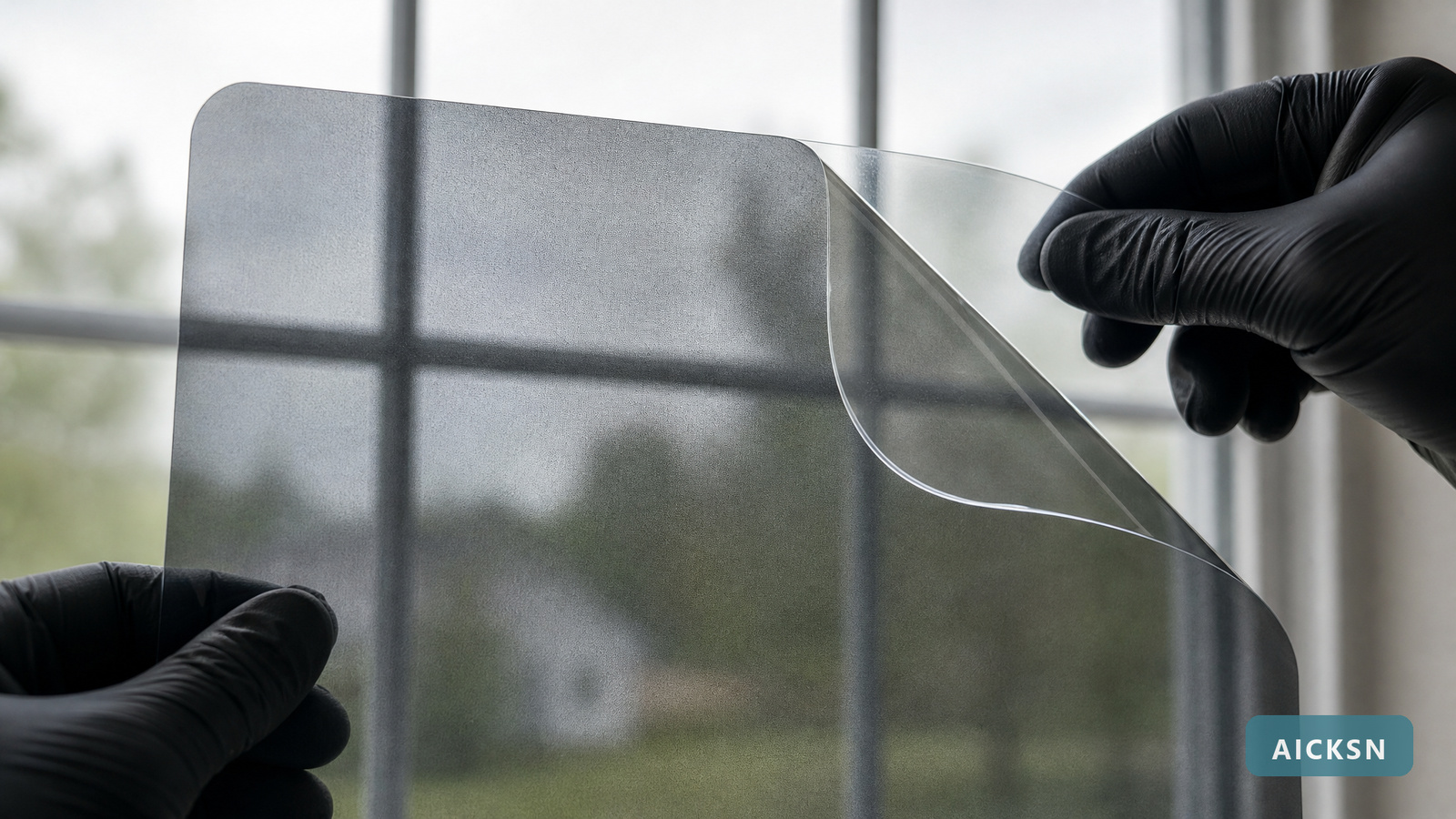
Start with a Complete Technical Specification
An auto tint film should be evaluated through several independent characteristics. Visible light transmission determines how much visible light passes through the film-and-glass system. Ultraviolet transmission indicates how much ultraviolet radiation passes through under the specified test conditions. Infrared performance describes a defined portion of the infrared spectrum, while total solar energy rejection provides a broader measure of solar control when measured using a suitable method.
These figures should not be treated as interchangeable. A product with low visible light transmission is not automatically the best option for heat rejection, and a high infrared rejection value does not describe every part of solar performance.
Buyers should also review optical haze, reflectivity, color stability, film thickness where relevant, adhesive characteristics, and compatibility with the intended glass. The technical data sheet should identify test methods and clarify whether values apply to the film alone or to the installed glass combination.
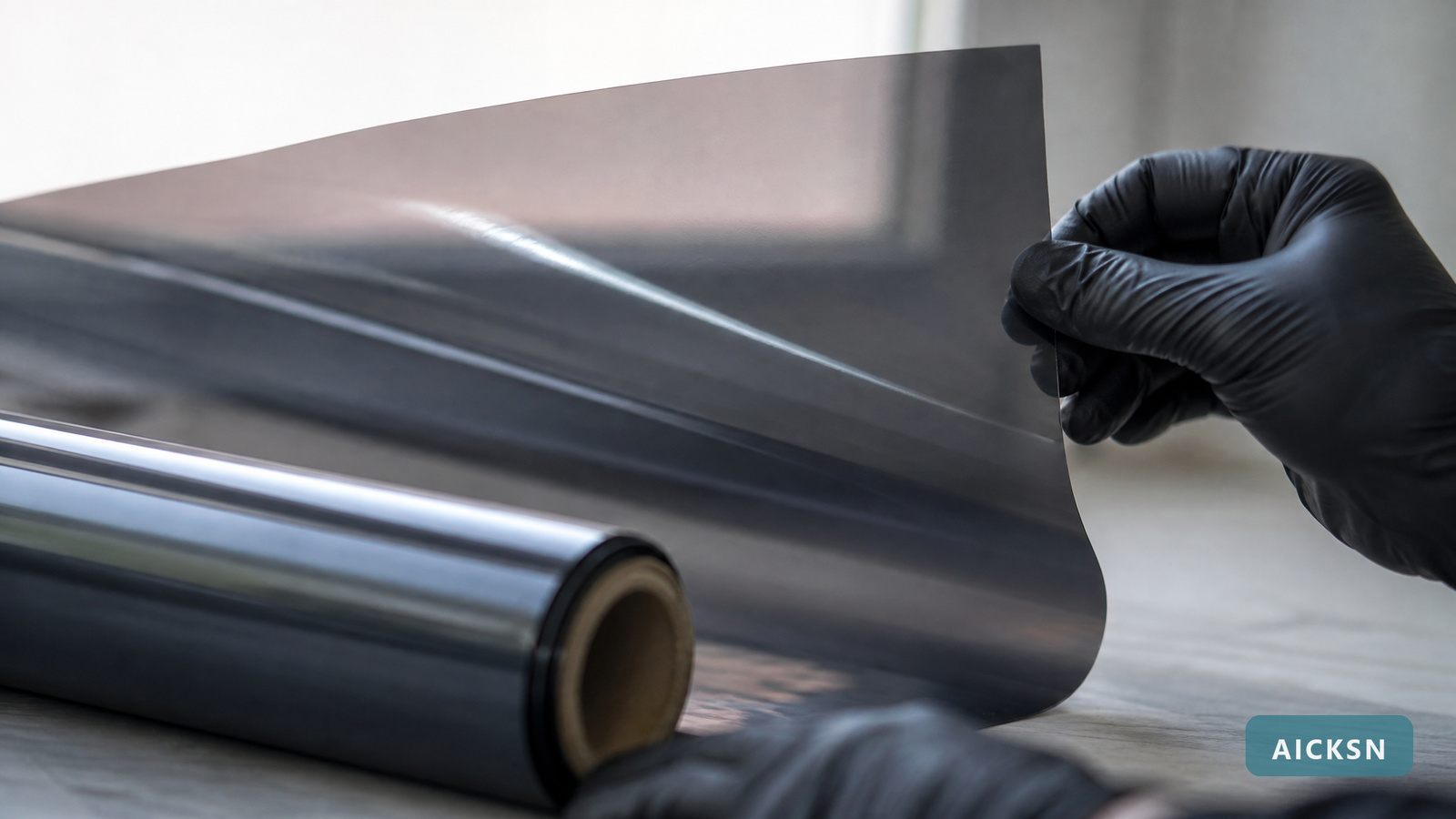
Evaluate Surface Quality and Optical Clarity
Car window darkening film must provide a consistent appearance across the vehicle. Uneven coloration, scratches, embedded particles, wrinkles, or damaged edges can make a finished installation look unprofessional.
Optical haze is especially important because it can reduce the apparent sharpness of objects viewed through the glass. Distortion may also become noticeable when looking through curved windows or observing distant objects.
A useful incoming inspection process includes checking samples under consistent lighting, viewing them against a neutral background, and comparing the color and clarity of different rolls. Where required, optical measurements should be performed with suitable equipment.
Metallic car tint may have a more reflective appearance than a dyed product, but the surface should still be visually uniform. A metalized window film should be assessed for its intended optical characteristics rather than judged solely by how reflective it looks.
Understand Durability and Environmental Exposure
Automotive films experience repeated heating and cooling cycles. Vehicles parked outdoors may be exposed to strong sunlight, high surface temperatures, rain, dust, and frequent cleaning. The combined effect of these conditions can influence color, adhesive behavior, and the condition of the film.
A durability assessment may include controlled aging, adhesion evaluation, exposure testing, and inspection for discoloration or visible defects. The test method should reflect the intended product and market, and the acceptance criteria should be defined before testing begins.
Accelerated-aging results can help compare products under specified laboratory conditions, but they do not establish an exact service life under every real-world environment. Buyers should consider the test report alongside field feedback, warranty terms, and the supplier's documented quality history.
Aicksn should publish specific durability figures only when they are supported by actual product tests or substantiated warranty information.
Compare Film Technologies Fairly
Dyed films use colorants to control shade and appearance. They may be suitable for budget-focused applications where the product's performance and expected service conditions are clearly understood.
Metallic car tint incorporates metallic materials that influence reflection and transmission. Its durability and solar performance depend on the materials, layer structure, and manufacturing process. Buyers should ask whether the specific product has documented color-stability and environmental-aging results.
Ceramic film uses specialized nonmetallic materials to manage selected wavelengths. It may offer a different combination of heat control and reflectivity, but its quality still depends on formulation and process consistency.
Metalized window film can provide reflective styling and specific solar-control characteristics. As with other technologies, the product name is not a substitute for measured optical performance, documented durability, and an assessment of electronic compatibility.
The Importance of Manufacturing Process Control
Quality begins before the film reaches the converting line. Raw-material variation can influence thickness, color, adhesion, and optical properties. During production, inconsistent processing or contamination may introduce defects that become visible during installation.
A professional quality-management framework should define incoming-material criteria, in-process inspection points, finished-roll requirements, and procedures for managing nonconforming products.
For example, a proposed sampling plan may inspect film width, visual condition, and selected optical characteristics at the beginning, middle, and end of a production run. Actual sample quantities and acceptance tolerances should be based on the product specification and risk assessment.
The factory can also maintain batch records connecting material identification, production parameters, inspection results, and shipment information. This traceability supports root-cause analysis when a customer reports an issue.
These are recommended controls rather than claims about Aicksn's current production equipment or inspection results. Public statements about factory capacity, defect rates, or certifications should be based on verified company records.
Installation Quality Also Affects Durability
Even a well-manufactured auto tint film can fail prematurely if the glass is not prepared correctly. Dust, grease, and residue may interfere with adhesion, while poor handling can cause scratches, creases, or contamination.
Installers should follow the supplier's instructions for surface preparation, application temperature, moisture management, and curing. The original glass should be checked for damage and special coatings before installation.
Drivers should avoid cleaning the film before the recommended curing period has elapsed. Afterward, compatible cleaning products and soft materials can help protect the surface.
If bubbling, peeling, discoloration, or optical distortion develops, the cause should be investigated rather than automatically attributed to the film. Material defects, improper installation, unsuitable storage, and environmental exposure can produce different symptoms.
Windshield Applications Need Additional Checks
Windshield tint must meet the relevant legal requirements and preserve the driver's forward visibility. Optical clarity, haze, distortion, and glass compatibility should be reviewed before installation. The presence of cameras, sensors, or antenna systems may also affect product suitability.
Car window darkening film designed for side or rear windows should not be assumed to be appropriate for the windshield. The installer should verify the product specification and the permitted application area in the relevant jurisdiction.
For metallic car tint and metalized window film, signal compatibility may require additional consideration. Buyers should request documented test information where available and avoid assuming that all products in a category behave identically.
Build a Repeatable Supplier Evaluation System
Professional buyers should use the same criteria when comparing suppliers. Request technical data sheets, sample rolls, test reports, installation instructions, warranty terms, and details of the supplier's lot-identification system. For larger purchases, evaluate a sample representative of the intended production grade.
Aicksn New Materials Technology Co., Ltd. can strengthen its offering through clear documentation, consistent specifications, responsive complaint handling, and evidence-based product claims. Distributors benefit when the film they reorder matches the performance and appearance of the sample they originally approved.
A durable auto tint film is the result of suitable material selection, controlled manufacturing, correct installation, and appropriate care. Evaluating these factors together provides a stronger basis for purchasing than price or shade alone.